
Forever green

You've gone to the trouble to build or remodel your home with environmentally friendly features. To protect that investment, you need the right insurance.

For the Minnesota Star Tribune
March 20, 2009 at 7:03PM
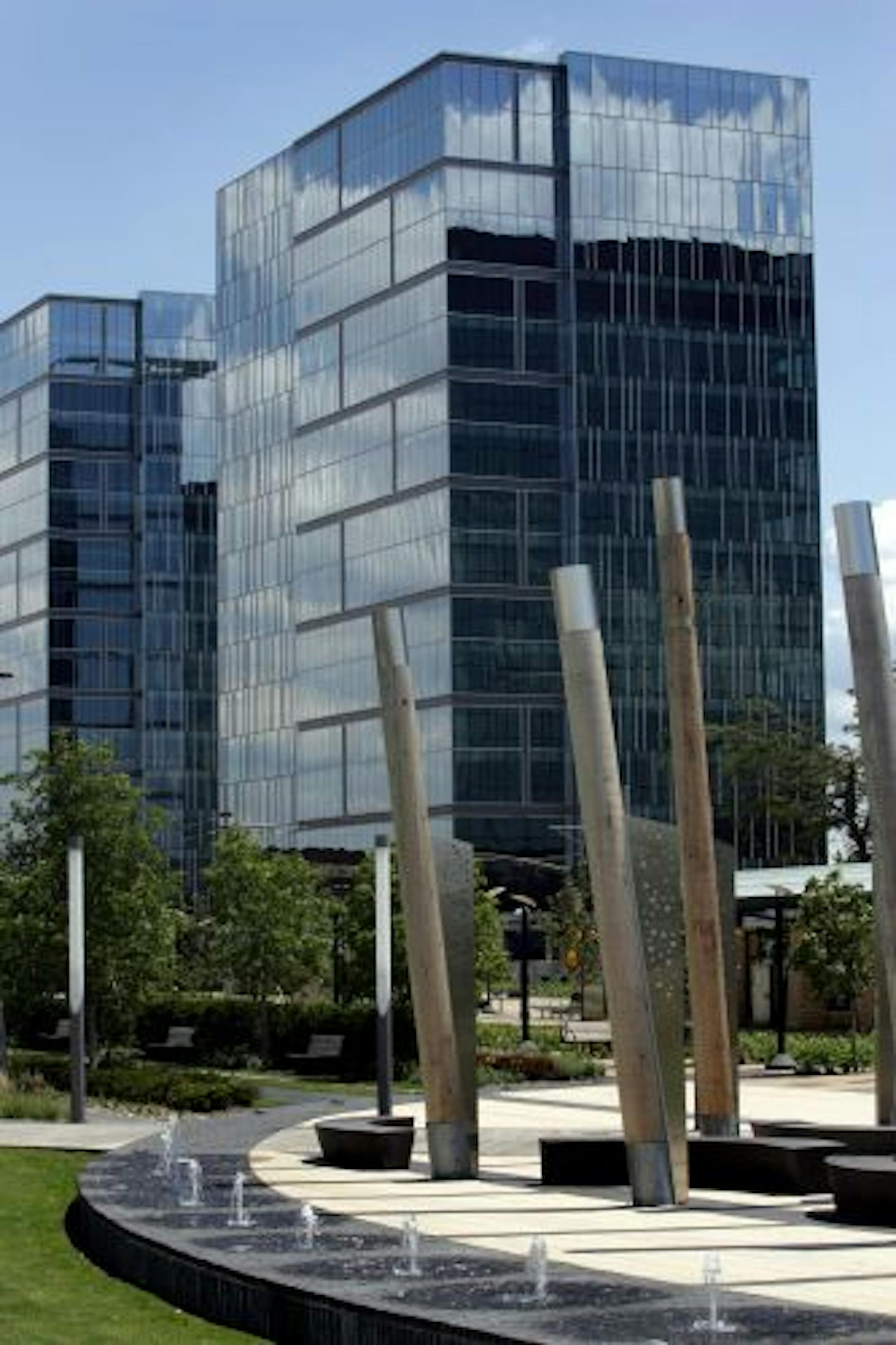
The Reflections at Central Station condominium development in Bloomington includes two residential towers that are LEED-certified for design promoting energy-efficiency and environmental awareness.
The Reflections at Central Station condominium development in Bloomington includes two residential towers that are LEED-certified for design promoting energy-efficiency and environmental awareness. (Dml - Star Tribune Star Tribune/The Minnesota Star Tribune)

Michael McDonald (not the singer) has a home on some of the most envied real estate in the world, overlooking San Francisco Bay and the Golden Gate Bridge.

Not only does it have a Gold Coast view, it is also one of the nation's first LEED (Leadership in Energy and Environmental Design) Platinum-certified homes -- the highest level of certification given by the U.S. Green Building Council.

When McDonald was shopping for homeowner's insurance, he wanted to be sure that in case the house was destroyed or damaged it could be rebuilt to the same high LEED standards that he had so painstakingly applied while building it.

He found that coverage last July when Fireman's Fund began offering a green insurance option. Minnesotans will now have access to the same policy. The new offering is part of a broader effort by mainstream companies to provide goods and services for homeowners increasingly embracing green technology.

It's also a sign that those companies see potential to broaden their markets and attract new customers, and an indication of just how mainstream the green movement has become.

"The arrival of green insurance illustrates how the desire and demand to live more sustainably is penetrating deeper and deeper into markets that initially did not anticipate being impacted by the green movement," said Mark Fabel, project manager for McGough Development, which built a LEED-certified condo building in Bloomington called Reflections at Central Station.

The policy offers a discount to homes that are already LEED-certified, and is also available to homeowners who would want to upgrade to green features after the house is damaged.

Traditional insurance policies don't specifically provide coverage for green features, so if there's a fire or the house sustains water damage, the homeowner may have to pay out of pocket to rebuild the home to the same environmental standards to which it was built before the fire.

If you have a kitchen fire, for example, a traditional policy might not pay to replace the appliances with similar high-efficiency appliances, or you might not get paid to paint your walls with the same higher-cost low- or no-VOC (volatile organic compound) paint.

"The opportunity for a homeowner to purchase a green homeowner's policy takes away some of the risk in building a home to a higher level of design and construction," said Fabel.

"This policy provides a homeowner with the comfort and security knowing that they can maintain the more sustainable level of home living even after the unfortunate event of damage to their home."

The green upgrade policy also pays for intangibles associated with repairing your damaged house. That includes recycling the debris from demolition rather than bringing it to a landfill.

For homeowners who want to rebuild with green features, the policy upgrade doesn't cost much more than a traditional policy, and it might even cost less for those with green features.

If the home is LEED-certified, the homeowner will pay about 5 percent less than what they'd pay for a standard policy.

For homes with an insured value below $350,000 that aren't LEED-certified, including those that don't have any green features, the policy enhancement will cost a minimum of $25 more than a standard policy.

That additional charge will pay for green upgrades when the home is repaired or rebuilt. If the home is valued at closer to $1 million, the charge is about $70 higher than a standard homeowner's policy.

This green insurance trend is still in its infancy, but the company already offers it in 35 other states, including Wisconsin and Michigan. Other companies will surely follow as people realize the benefits of going green.

AIG Insurance Co., for example, has a green upgrade called LexElite Eco-Homeowner. It differs from the Fireman's Fund program, which is available to anyone, because it is an "excess lines policy." That means that the homeowner must first have been turned down for a traditional insurance policy due to a loss history or other problem.

The "LexElite" policy is geared toward homeowners who generate their own power using geothermal, solar and wind systems that would be replaced in the event of a loss. That policy would also replace plantings that were installed to reduce heating and cooling expenses.

In a statement issued when Fireman's Fund announced plans to offer the policy in Minnesota, Glenn Wilson, commissioner of the Minnesota Department of Commerce, praised the decision as a step in the right direction.

"Green insurance policies that encourage consumers to build with conservation and efficiency in mind are exactly what Minnesota needs to meet our renewable energy goals," he said.

These new policies, which provide specialized loss coverage and pricing for green homes, also provide more incentives for those thinking about building or buying a green home. It's happening now because there's enough evidence that green homes are better built, are safer and ultimately pose less risk for insurers than traditional construction.

"Clearly, there has been a gap in the market as it relates to a homeowner's desire to design, build and then construct a green home," said Fabel. "This type of insurance policy closes the gap and allows a home to be built back to the same superior quality and operational level that the homeowner desired with their green expectations."

Kim Carlson is at kim@earthsmartconsumer.com.

about the writer

about the writer

KIM CARLSON

More from Business

See More
card image
Provided by Exact Sciences

The late Dr. David Ahlquist co-invented ColoGuard, which is helping drive Abbott Laboratories’ acquisition of Exact Sciences. After an ALS diagnosis in 2019, Ahlquist wasn’t done inventing.

card image
card image