1:24
1:24July 4th used to be Angie Gagnier's favorite holiday. The smell of fresh-cut grass, the food off the grill, the patriotic music and, finally, fireworks.
"I was always amazed by the colors of fireworks," said Gagnier.
But after being deployed for a year to South Korea with the U.S. Army, she says her love affair with the occasion has fizzled.
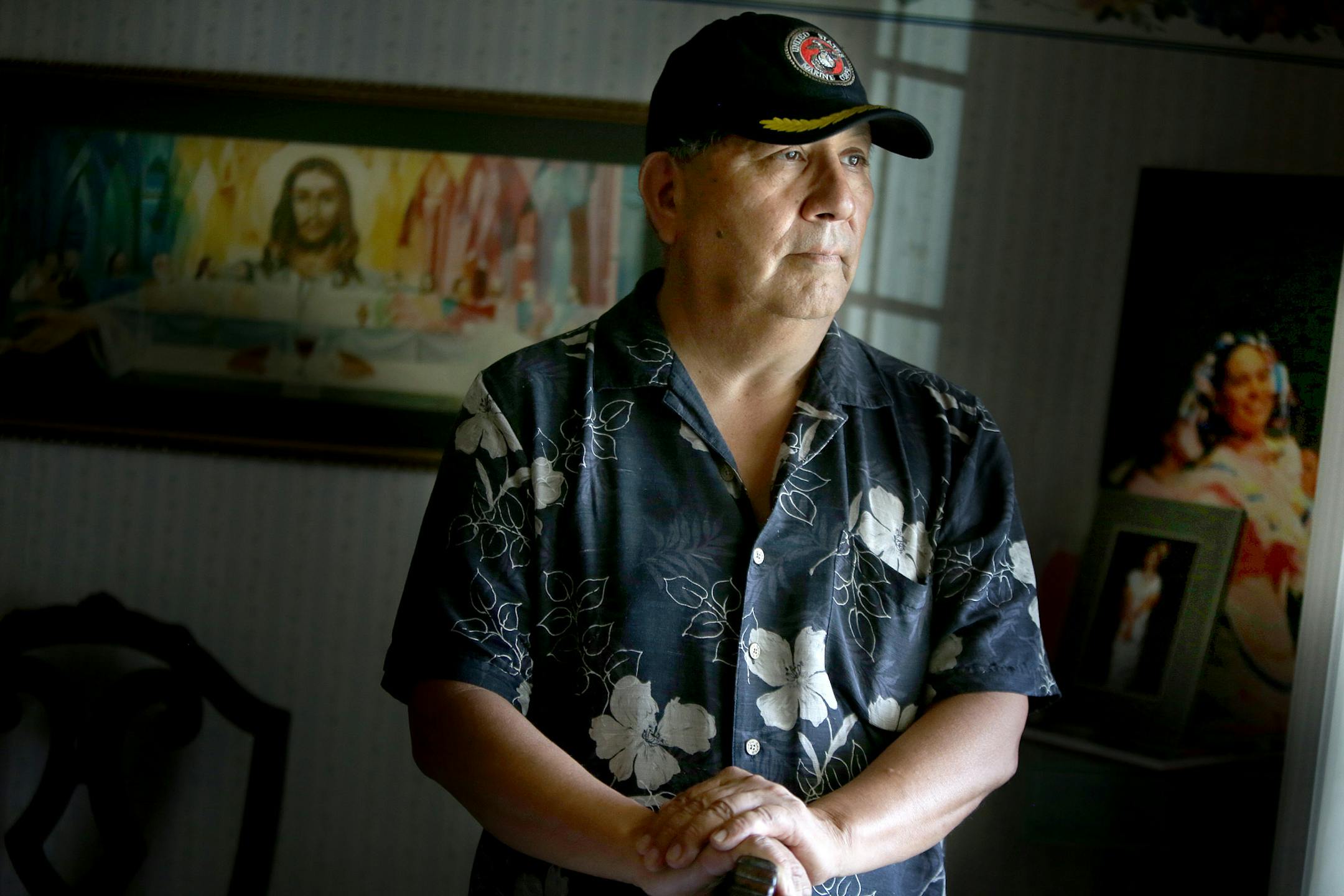
"I can't stand [fireworks] — I want to go hide," said Gagnier, who has been diagnosed with post-traumatic stress disorder. "It feels like I am going to get shot at."
PTSD affects about 7.7 million Americans, and for many of them July 4th is an ordeal, not a celebration.
For some veterans, the holiday sparks painful memories; for others the crackling loud noises resemble the horrifying sounds of war.
No research has directly linked fireworks to the onset of an emotional PTSD episode, but military psychologists take the issue seriously, according to Laura Meyers, program coordinator for PTSD treatment at the Minneapolis VA Health Care System.
"It is common for veterans to feel much more anxious or on edge during this week," Meyers said.