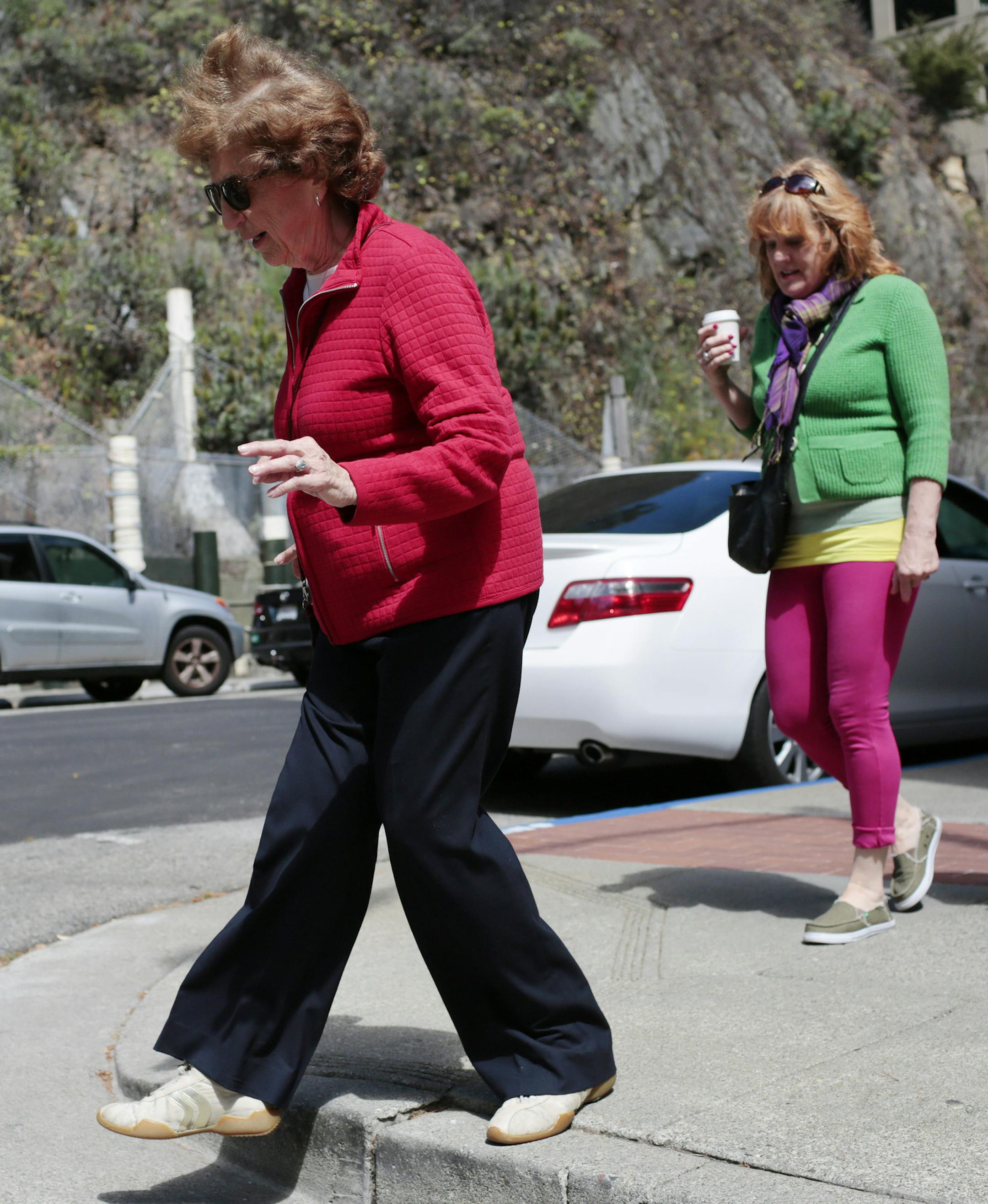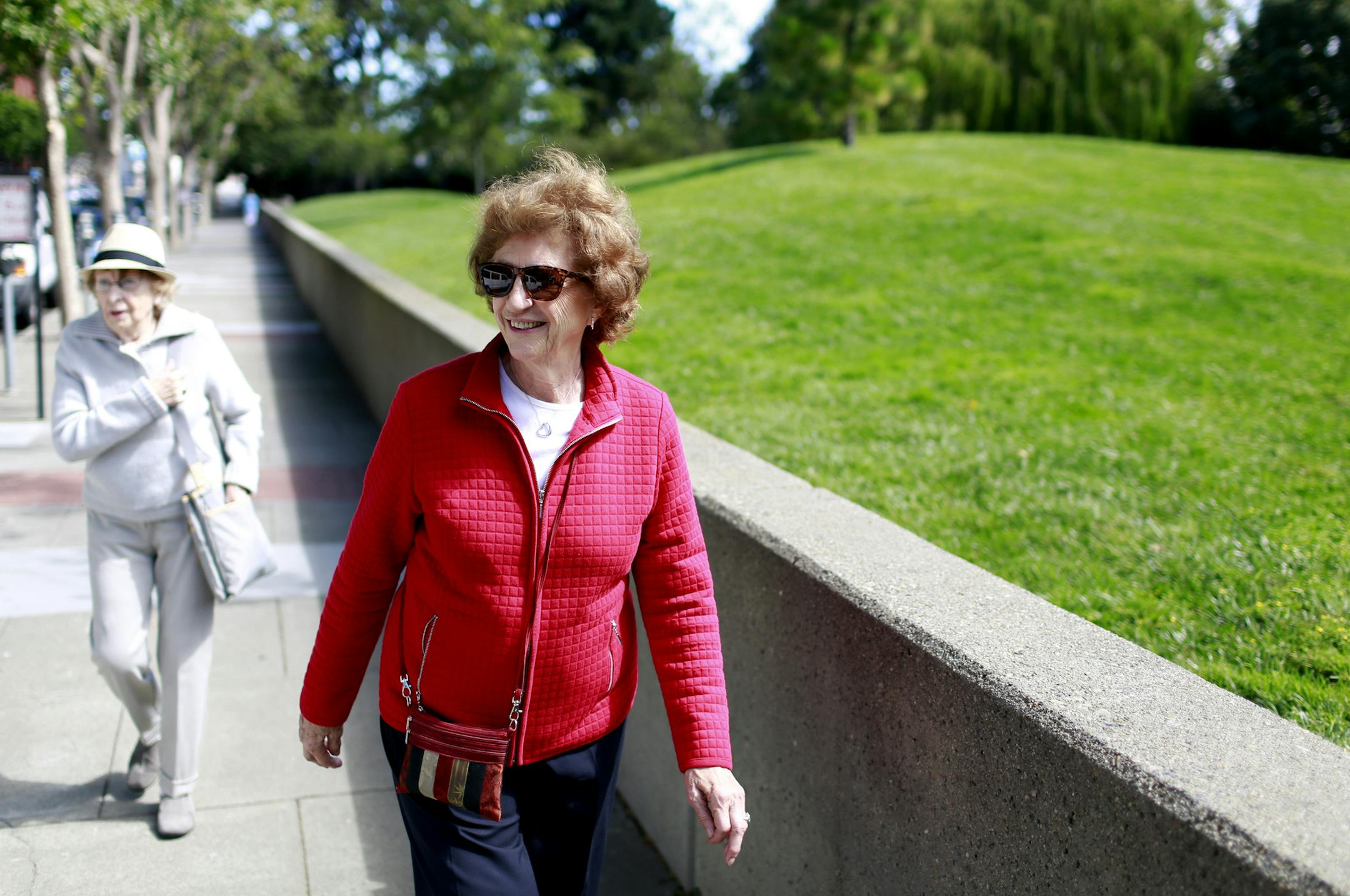
SAN FRANCISCO – Joan Rees, 79, had hardly been ill a day in her life. Her biggest problem was arthritis, mostly in her knees, but at home in San Francisco she walked every day and she traveled frequently.
At dusk last November in Istanbul, on the final day of a cruise, she missed a step and lost her footing. When she couldn't stand up, she knew something was terribly wrong.
In that act of misplacing her foot and falling, she had fractured her pelvis in multiple places. "It was a complete shock," she said, "that I did something so destructive to my body."
Her life would change with cruel, unanticipated swiftness.
The number of older Americans who fall and suffer serious injuries has soared. More than 2.4 million people older than 65 were treated in emergency departments for injuries from falls in 2012 alone, and in the decade ending in 2012, 201,000 Americans older than 65 died after falls.
Geriatricians generally agree that some older people possess an exaggerated sense of what they can still do. And medications like hypertension drugs and antidepressants, which can cause dizziness, are increasingly the cause of falls.
Twenty-five percent of older people who fall and fracture a hip die within a year. Eighty percent are left with severe mobility problems, no longer able to walk a city block. Those who die or become severely disabled after a hip fracture are usually people who were frail or sick — or both — before their fall, said Dr. Mary Tinetti, a geriatrician at the Yale School of Medicine who has studied falls for more than 30 years.
After a fall, life is upended in an instant — a sudden loss of independence, an awkward reliance on family and friends, and a new level of fear for those who fall, and their contemporaries.