

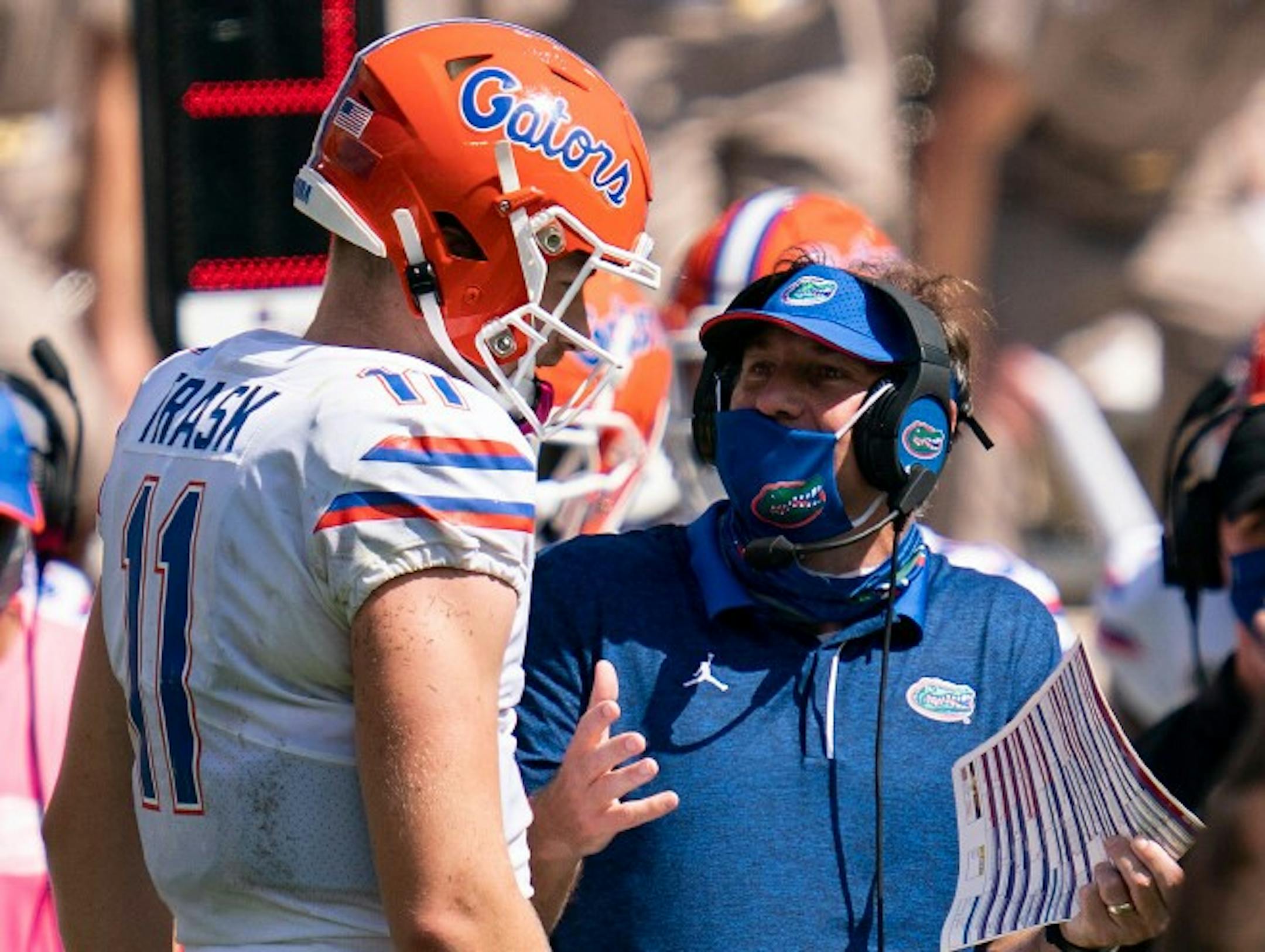
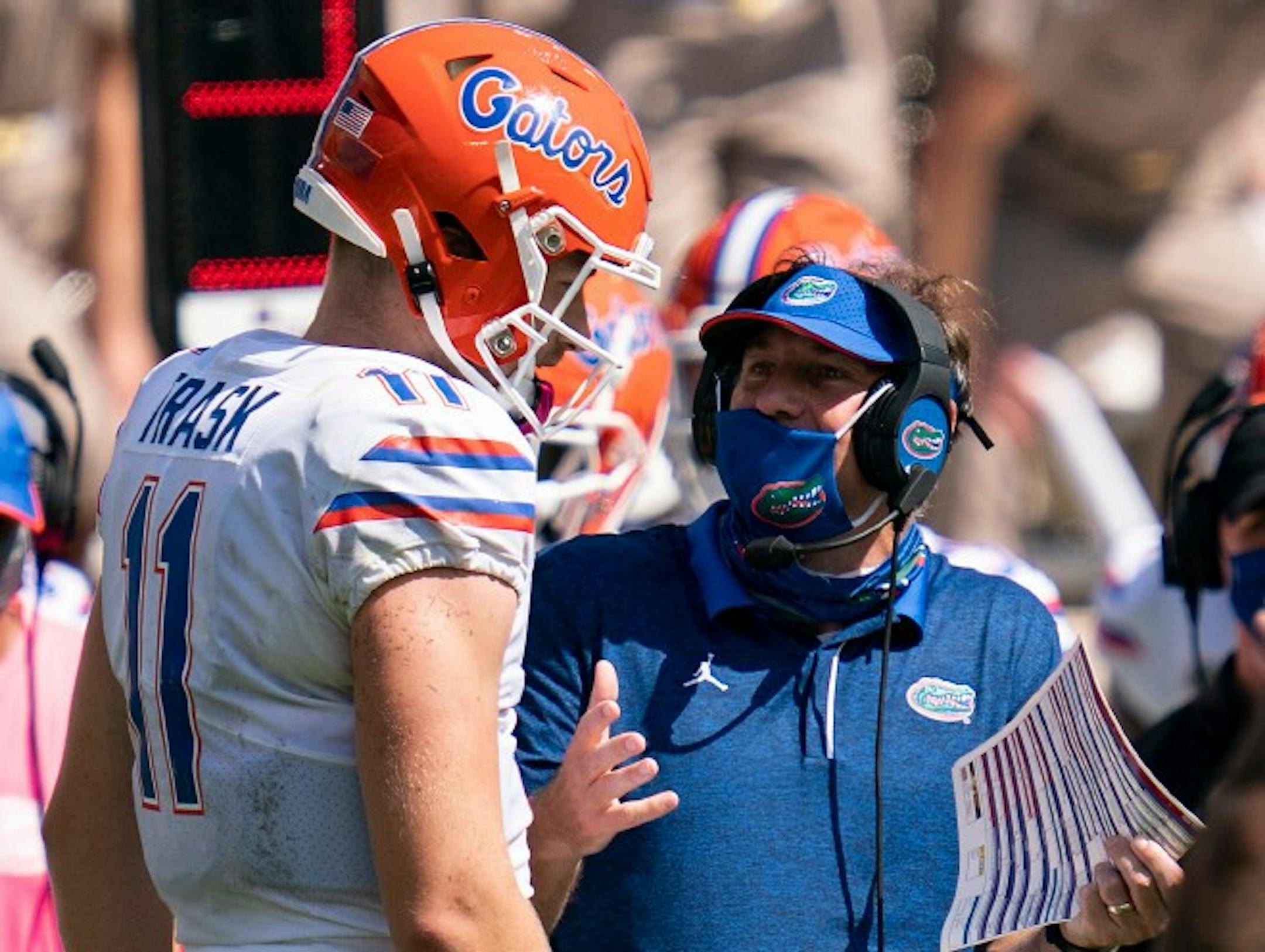
The sequence of events is such that even Shakespeare would have a hard time deciding whether it is a comedy, a tragedy or simply history.
This past weekend: University of Florida football coach Dan Mullen declares that he wants to see 90,000 fans in the stands for Florida's Saturday home game against LSU. "Hopefully that creates a home-field advantage for us next week because now we passed a law in our state that we can do that," Mullen said. "We want our students out there cheering us on to give us that home-field advantage."
Yes, he said that in all sincerity, in a state that had 123 coronavirus-related deaths on Tuesday alone, surpassing 15,000 lives lost in Florida during this pandemic.
Monday: Mullen holds his program up as a "model" of safety in the coronavirus era, declaring: "I'm really proud of how we've handled everything and how safe we've been with everything we're doing and all the precautions we've had in place during this time."
Tuesday: Florida announced that it had "paused" all football related activities after 19 members of the program (players, coaches and/or personnel) had tested positive for the virus.
Athletic director Scott Stricklin used the now-familiar phrase "abundance of caution" to describe the move, but it doesn't take an abundance when you have that many positive tests. It only takes common sense.
Unfortunately, the supply of common sense has not been equally distributed among sports entities trying to play through this.
The NBA, WNBA and NHL went to a bubble format for various parts of their seasons/postseasons in an attempt to go beyond even an abundance of caution — showing a level of respect for the virus that was rewarded when they were able to complete their seasons in a Covid-free landscape. The NBA and WNBA even did so in Florida at the peak of spread there.


