

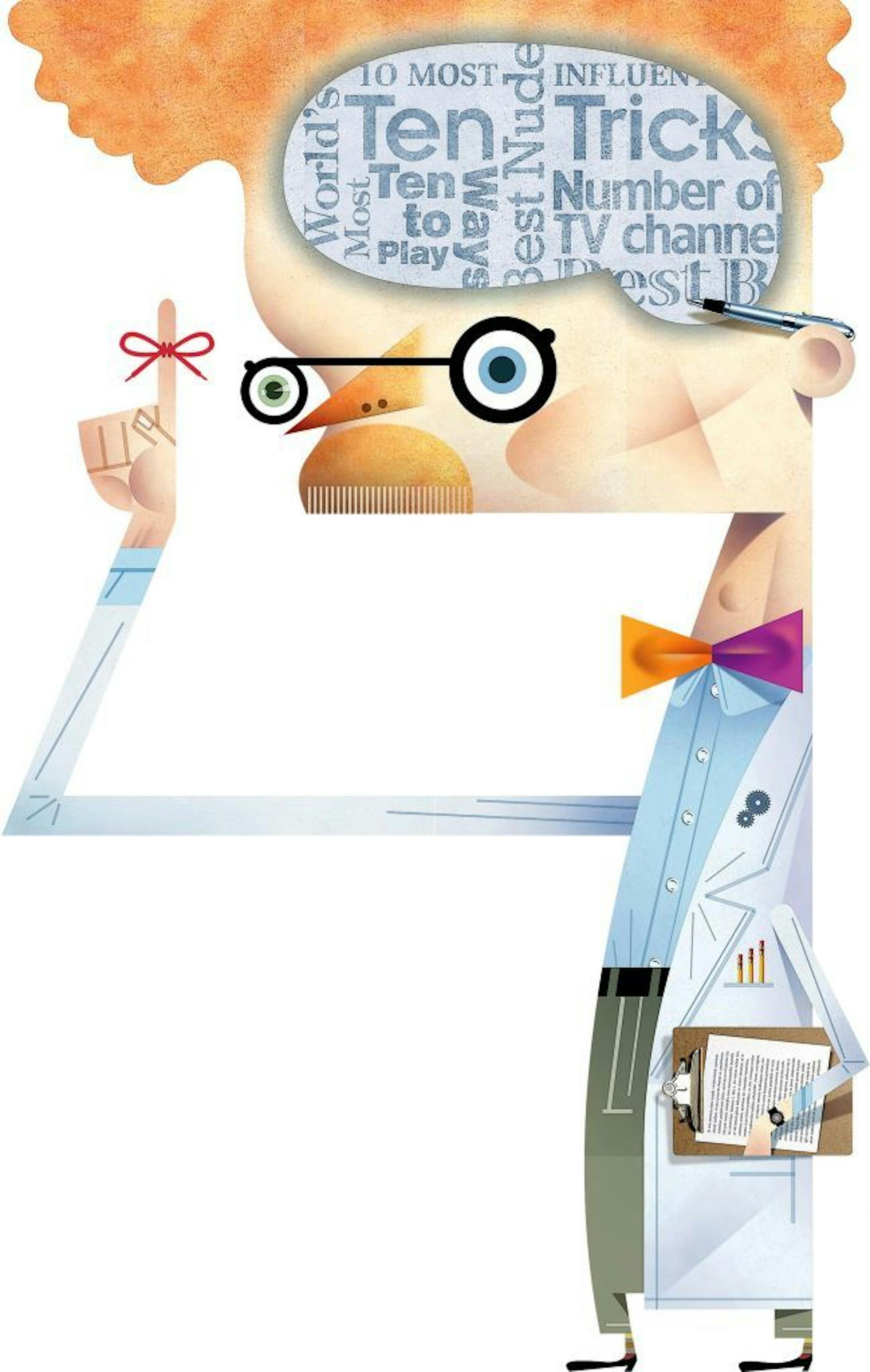
Ken Lehmann is taking his Alzheimer's diagnosis very seriously: He's making a game of it.
Three and a half years ago, the retired furniture executive from Edina learned he was in the early stages of the disease. Since then, the 76-year-old has been following his doctor's advice — by playing brain games on his iPad.
"Knock on wood, I haven't regressed as rapidly as some of my friends," Lehmann said.
The games, which promise to sharpen thinking skills and fight memory loss, are surging in popularity as millions of Americans download the mental workouts. And while scientists and doctors have long debated the value of "brain fitness," many have recommended that older adults work to keep their minds alert, through everyday social interaction or structured gaming.
Now, new research supports the theory that exercising the mind could slow the onset of dementia and increase mental dexterity.
In the largest and longest study of its kind, older adults who completed a series of brain-training exercises maintained their cognitive skills a decade later, while those who received no brain training did not.
"Our findings suggest that if you want to keep your mind stronger as you get older, you can't become a couch potato," said George Rebok, professor at Johns Hopkins University's Bloomberg School of Public Health and lead author of the study.
Rise of brain workouts
For years, puzzles were purported to keep the brain nimble. First it was crossword puzzles. Then Sudoku. Now it's a new generation of apps — such as BrainHQ, Fit Brains Trainer and Lumosity — that claim to target and train specific parts of the brain.


