

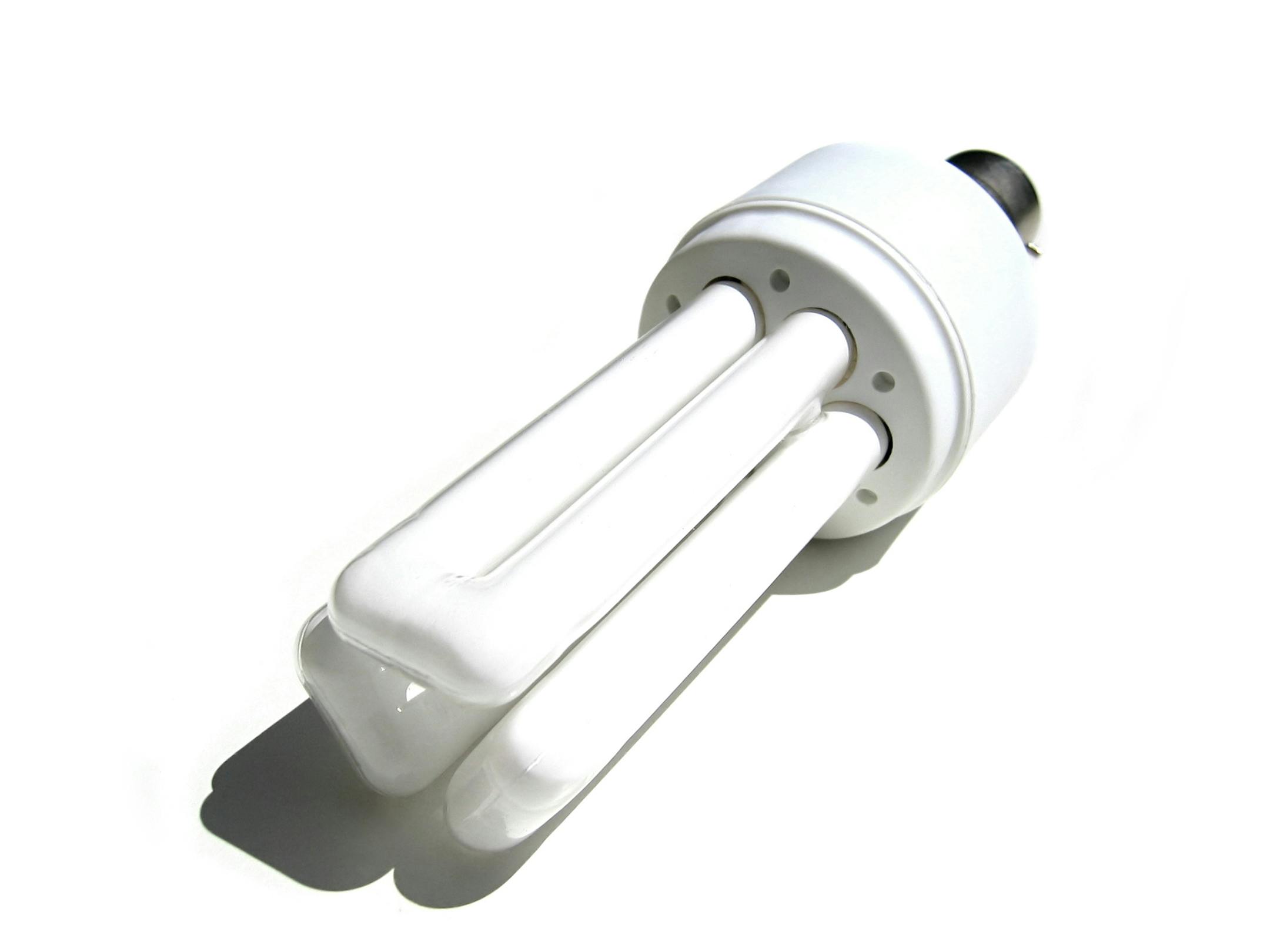
People like to complain about the new fluorescent light bulbs. The light isn't warm and friendly, the spiral bulbs don't fit their fixtures, and they don't last as long as claimed. But the biggest gripe I've heard is how hard it is to unload these bulbs, and that you have to pay for the privilege.
Incandescent light bulbs are easy: buy, burn and toss. But not so with compact fluorescent lights (CFLs).
It's against the law to put fluorescent lights in the garbage in Minnesota and several other states. Even if it weren't, you wouldn't want to do it. The bulbs contain toxic mercury, which requires special handling. The poison poses no threat when bulbs stay intact, but lamps break when trashed and mercury escapes. Once released, it can never be fully recovered, scientists say.
Often only a small amount of mercury, about 5 milligrams, is in a CFL. Yet research shows that's enough to render 6,000 gallons of water undrinkable, according to an MSNBC report. And the average household has 50 light sockets.
So why are environmentalists, federal and state governments and other authorities pushing fluorescent light bulbs? Because they are real energy savers.
"CFLs use about 75 percent less energy than standard lighting, produce 75 percent less heat, and last up to 10 times longer," according to the website of Energy Star, a joint program of the U.S. Environmental Protection Agency and the U.S. Department of Energy.
But how can they be good for the environment if they contain mercury? Because so much energy is conserved, there's a net decrease in the amount of mercury released compared with what's released by the coal-burning power plants that produce electricity for conventional lighting, according to the Minnesota Pollution Control Agency (MPCA). In addition, the reduced electrical demand means fewer greenhouse gases are released.
Officials from some states and even other EPA departments advised Energy Star to put out an advisory on mercury information and proper disposal, said John Gilkeson of the MPA. A bill passed by Congress and signed into law by President Bush in December phases out traditional incandescent lamps, but there's no provision for disposal.


