

You, too, can be an expert on the $3.6 trillion federal budget, but here's the thing: You might not like what you learn.
The spending cuts and tax increases required to solve the nation's considerable debt problems will affect everyone, including you.
"People who think we can reduce the deficit without affecting them are living in a fantasy," said David Wessel, economics editor for the Wall Street Journal. "There are just not enough other people to tax. There are not enough other people whose benefits can be cut to solve this problem, but most people kind of think it can be solved on someone else's back, and frankly the candidates are pandering to that view."
Wessel was in Minneapolis on Friday speaking to 280 people at a luncheon put on by the Economic Club of Minnesota, promoting his book "Red Ink: Inside the High-Stakes Politics of the Federal Budget." It was the Economic Club's first event of the fall. Next up is Agustin Carstens, governor of the Bank of Mexico, in October.
Wessel believes Americans know that the budget, deficits, and the national debt are important, but they're confused in part because politicians, budget officials and journalists have made it all nearly impossible to understand.
Many of the issues can be broken down into simple choices, said Wessel, who's been a journalist in Washington, D.C., since 1987.
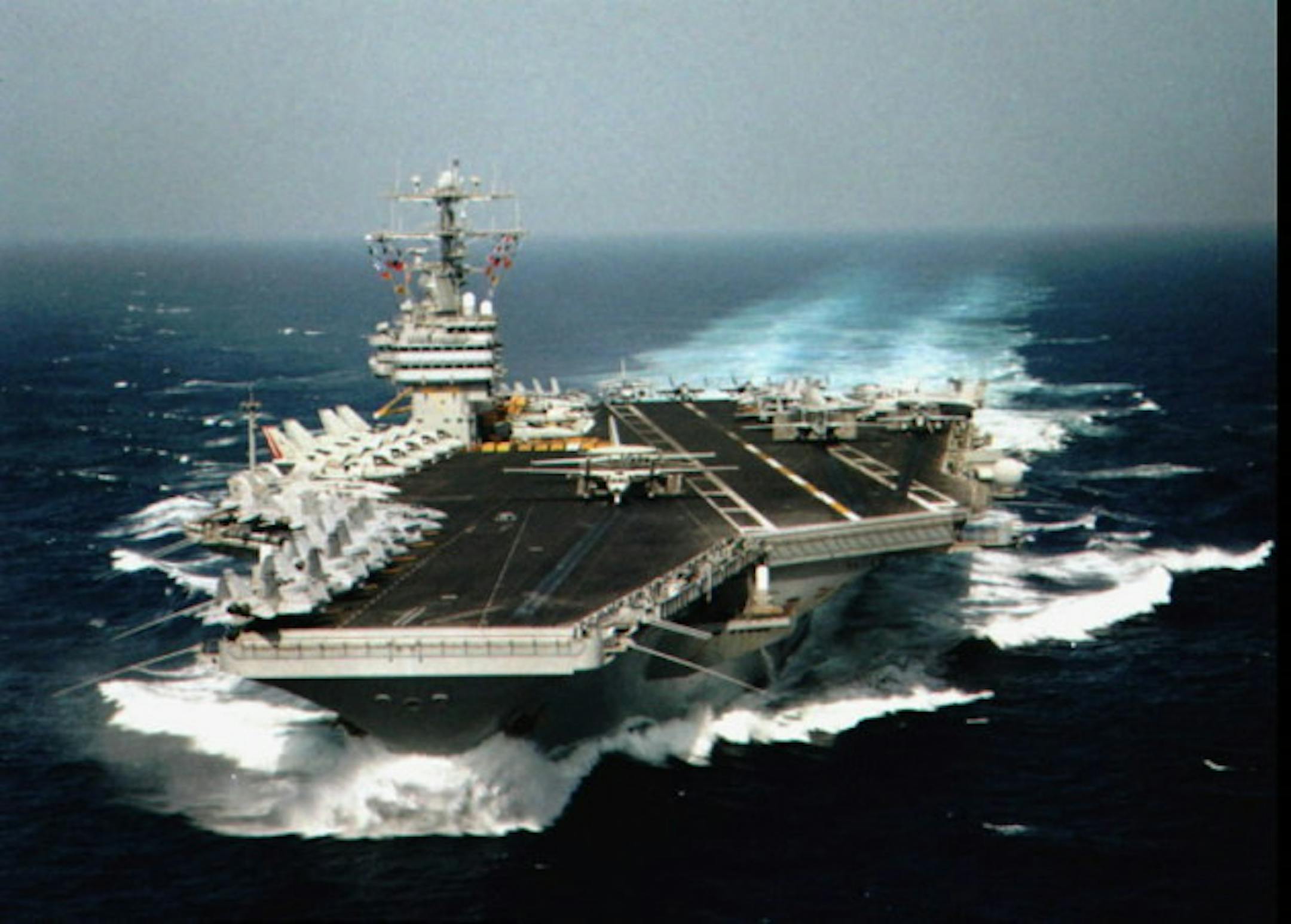
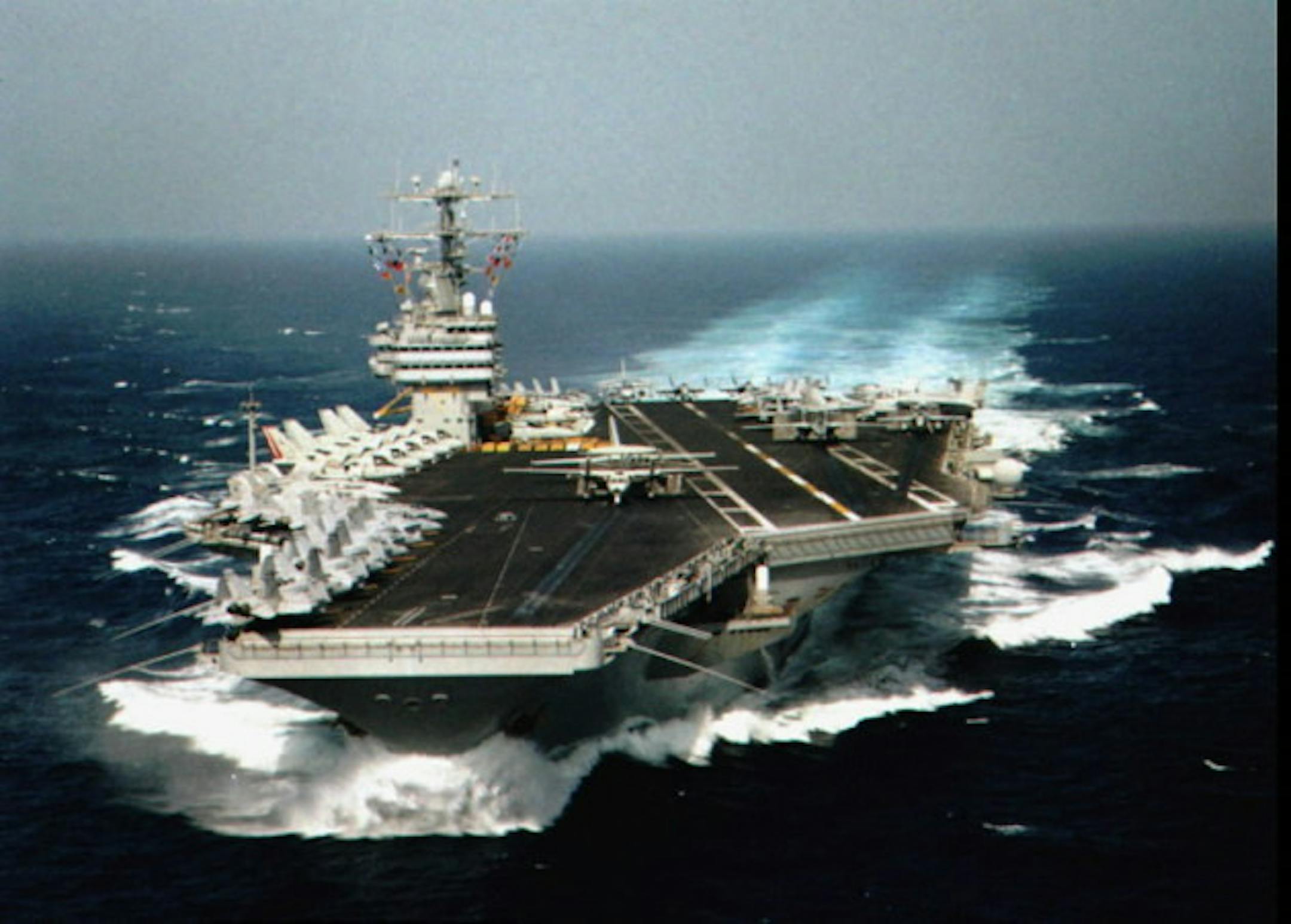
For instance, how many aircraft carriers does America need? The Navy has 11 aircraft carriers; no other country in the world has one. They cost $11 billion each. Even decommissioning one costs $2 billion, because of the nuclear reactor inside.
"The Navy wants to replace one aircraft carrier every five years for the rest of my life, and then some," Wessel said. "$11 billion is a lot of money. $11 billion is the same sum that Medicare spent last year to replace hip, shoulder, and knee joints for 750,000 elderly people."


