

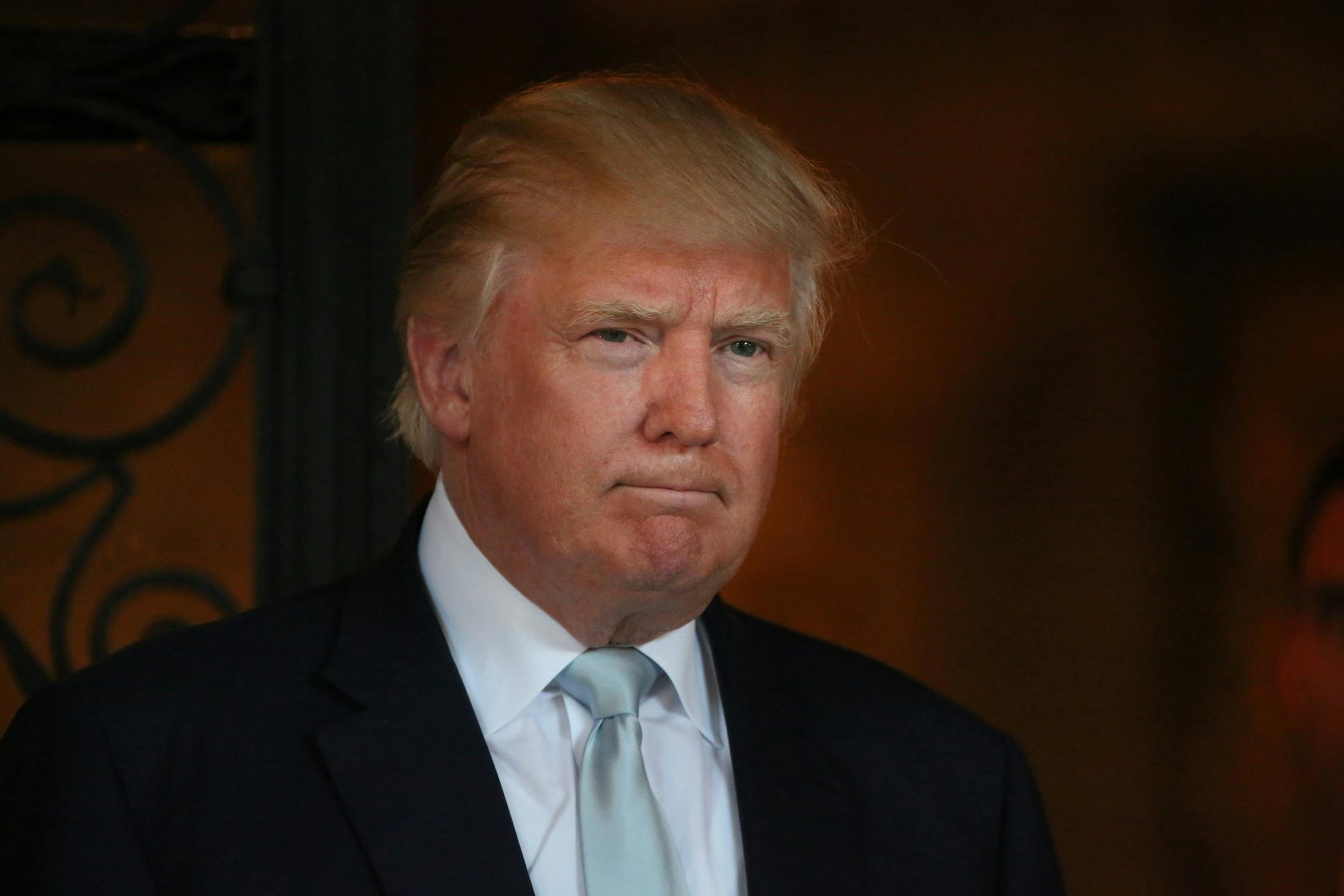
We've learned that President-elect Donald Trump has declined many intelligence briefings, delegating the daily task instead to Vice President-elect Mike Pence. "I get it when I need it," Trump said. "I'm, like, a smart person. I don't need to be told the same thing and the same words every single day for the next eight years." In some ways this is a departure from the approach of past presidents. But there's also widespread misunderstanding of the President's Daily Brief (PDB) and the traditions surrounding it. Here are five erroneous beliefs worth correcting.
Myth No. 1: The PDB has traditionally been for the president's eyes only.
The very title of this top-secret intelligence report says so: It's the president's book. And indeed, it is tailored to each president's individual needs. CIA officers in 1961 designed what was initially known as the President's Intelligence Checklist specifically for John F. Kennedy's tastes, using punchy words and phrases while avoiding clunky bureaucratic language and annoying classification markings. That checklist evolved into the President's Daily Brief in late 1964, as the agency reformatted and retitled the book of secrets to appeal to Lyndon Johnson's preferences. While the name has stuck, the content and format have continued to evolve. President Obama receives his in digital form and reads it on a tablet.
But while through most of its history the document has been marked "For the President's Eyes Only," the PDB has never gone to the president alone. The most restricted dissemination was in the early 1970s, when the book went only to President Richard Nixon and Henry Kissinger, who was dual-hatted as national security adviser and secretary of state. In other administrations, the circle of readers has also included the vice president, the secretary of defense and the chairman of the Joint Chiefs of Staff, along with additional White House staffers. By 2013, Obama's PDB was making its way to more than 30 recipients, including the president's top strategic communications aide and speechwriter, and deputy secretaries of national security departments.
Myth No. 2: Senior intelligence officers have briefed past presidents in person every day.
The commander in chief has received the PDB every working morning for the past 50 years. In-person briefings, though, haven't been as frequent.
Presidents Gerald Ford, George H.W. Bush (previously a CIA director) and George W. Bush wanted face-to-face briefings daily. But they stand out as the exceptions. Johnson and Nixon rarely saw their CIA directors or senior intelligence officers for anything, much less to brief the PDB. Presidents Jimmy Carter and Ronald Reagan discussed the daily book with their national security advisers, not CIA officers. Presidents Bill Clinton and Obama received in-person presentations, but irregularly. Taken together, institutionalized daily briefings have occurred during less than 15 years of the PDB's half-century.
Former defense secretary Bob Gates, who has had insight into the use of the PDB by almost every president since Johnson, told me that "one of the greatest values of the PDB is the interaction with the president, which allows the leadership of CIA and the community to have a better idea of what's on the president's mind, where he is coming from on issues, what's on his agenda and what he needs to know." But most often feedback has been in response to the written product and conveyed through the national security adviser.


