In his 1996 novel, "Last Orders," Graham Swift revived the structure of William Faulkner's "As I Lay Dying," occupying the thoughts of four men traveling to scatter a friend's ashes. Although mourning rituals can be rigid, grief itself occupies a wide spectrum, Swift reminded us, and dividing the novel into multiple perspectives freed him to explore it. Under those clichéd British stiff upper lips surged oceans of anger, secrets and regret.
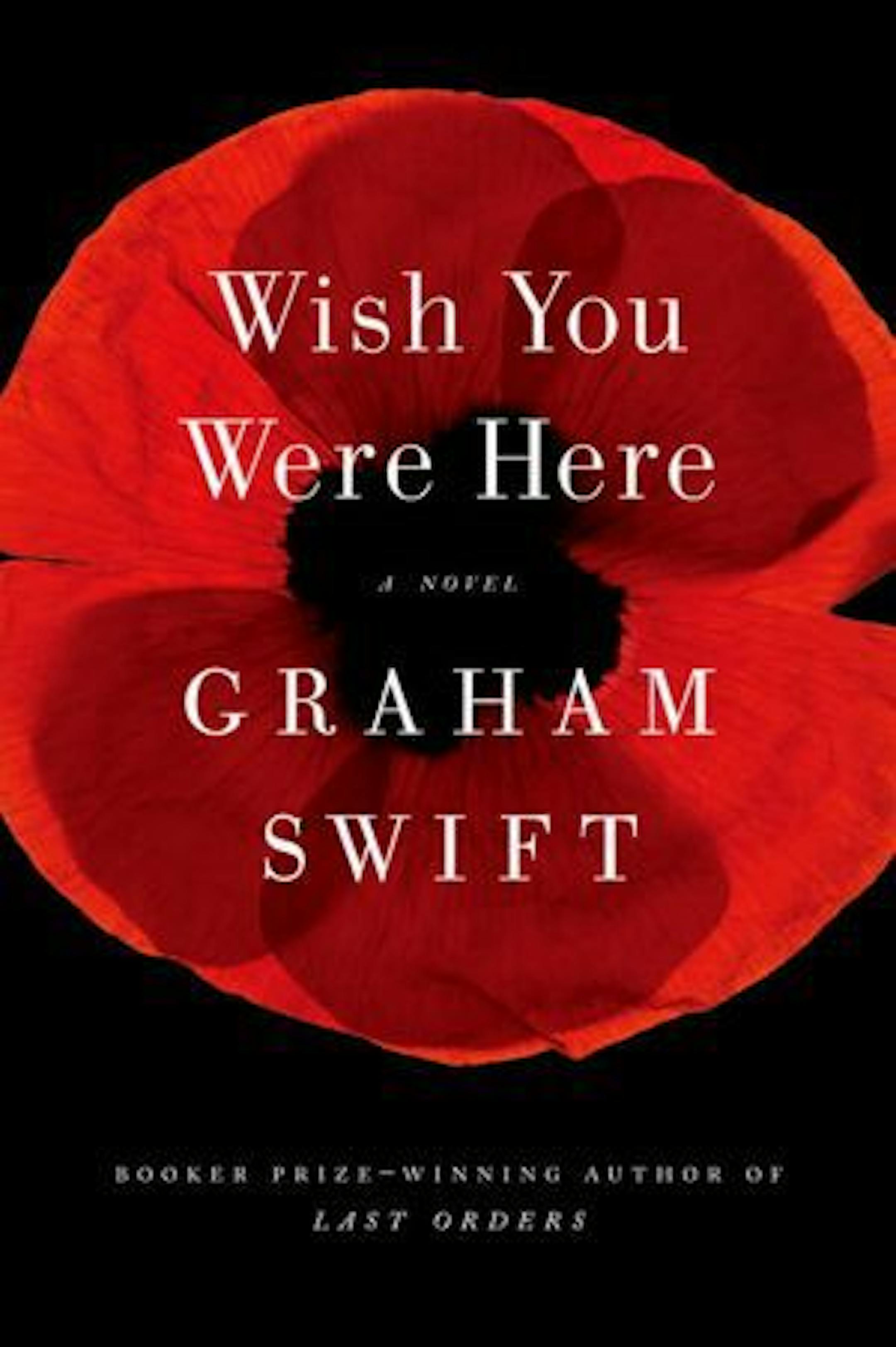
Swift's ninth novel, "Wish You Were Here," is a kind of successor to "Last Orders." Again, it's about mourning rituals, this time following a British soldier's death in Iraq in 2006. And again Swift alternates perspectives, from soldiers to family members to undertakers. But the mood is grimmer, and instead of cleanly moving the story forward, Swift is deliberately recursive. How did a statement affect the person who said it? What about the person who heard it? And what long-ago incident prompted the divergent responses to that statement? At times the book feels constructed less out of chapters than Venn diagrams.
The strategy demands patience, but it's effective: It helps Swift create a rich, stereoscopic portrait of the book's hero, Jack Luxton. Jack managed the family farm after his brother, Tom, joined the Army, tried to hold the family itself together after his parents died, and halfheartedly sold the property at his wife's prompting to run a resort on the Isle of Wight. When Jack's wife, Ellie, learns of Tom's death, she's briefly elated -- no more gloomy dwelling on family history. But she quickly realizes that Tom "was coming back. So far as Jack was concerned, he was coming back big-time."
Indeed, Tom's death pushes Jack to the brink of madness. We know early on that Jack has scared off Ellie and brought out his father's shotgun; by the end, after Tom's funeral, we know whether he'll use it. Although the book isn't pointedly antiwar, Swift repeatedly questions how well inner turmoil is served by the ritual of war memorials. Jack carries an old family war medal with him that's so symbolic of his inability to escape the past that it may as well be an anchor chain. When ceremonial shots are fired at Tom's funeral, the attendees "seemed to buckle, as if they were being fired at themselves."
Weak novels tend to make characters the product of one signature event. Swift knows that in reality we occupy a wealth of experiences, past and present, mundane and memorable. His strength in this fine novel is showing how all those experiences inescapably collide within us. As he puts it, "the place known as 'away from it all' simply doesn't exist."
Mark Athitakis is a reviewer based in Washington, DC. He blogs at markathitakis.com.