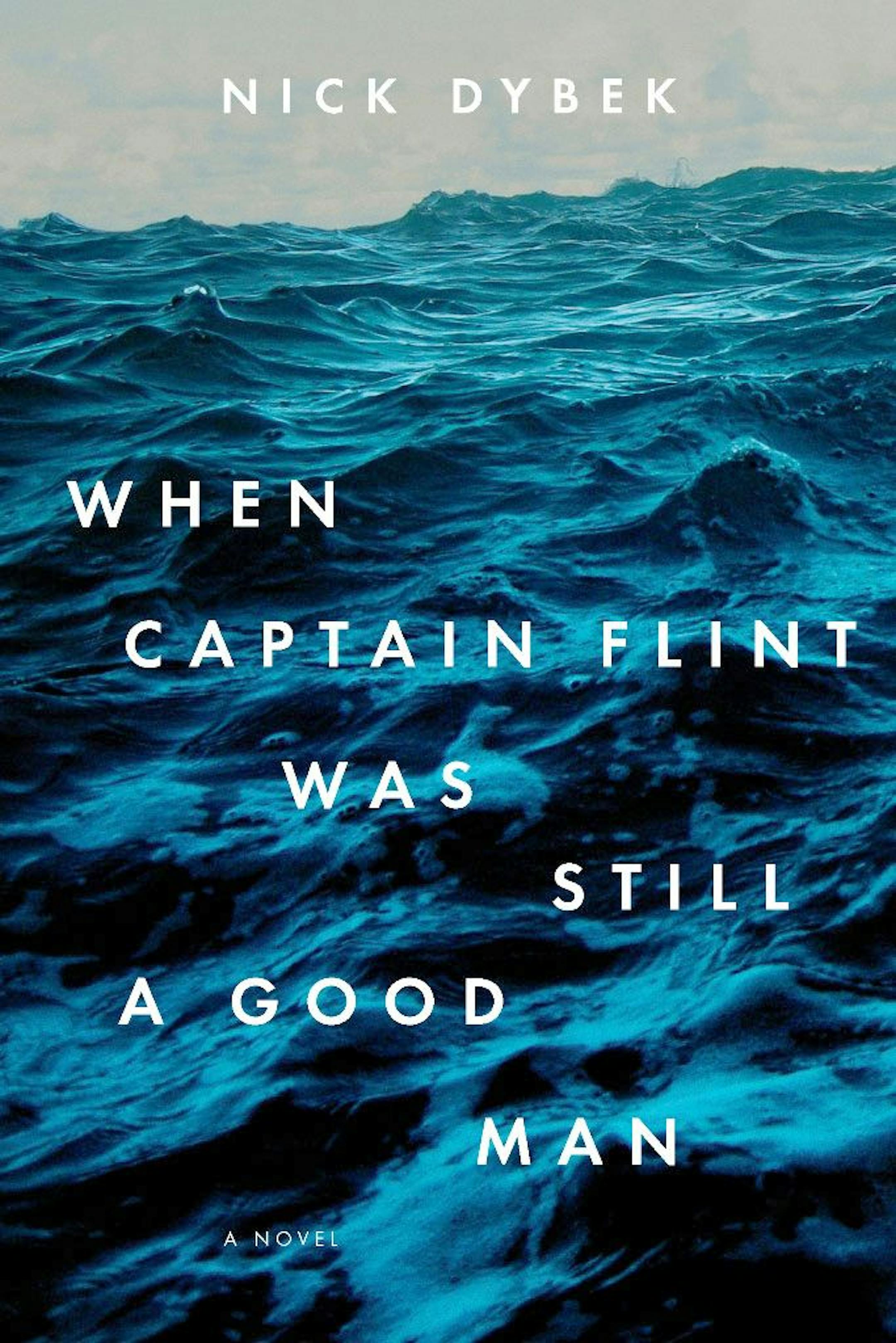
Seafaring tales aren't all alike, but we come to them for a common feeling of revelation. Once novelists ship out of the harbor, characters tend to acquire a tragic honesty about themselves. There's no pretense we have, it seems, that a good dousing couldn't rinse off.
Nick Dybek's striking debut novel, "When Captain Flint Was Still a Good Man," is thick with a sense of maritime freedom, lawlessness and tragedy, though its hero never leaves the shore. The narrator, Cal, is the 14-year-old son of a fisherman who spends half the year away from his family's Washington home, gathering crab in the Bering Sea. It's backbreaking, sometimes lethal work, but the men take pride in their labor. "They romanticized [the job] because they suffered for it," Cal explains. "They stumbled from their bunks, having slept two hours in seventy, onto decks sheathed in ice, onto twenty-foot seas."
The family's livelihood -- indeed, the entire town's -- is threatened after the fishing company's owner dies and his son, Richard, threatens to sell it off. Cal, snooping, discovers the fishermen's scheme: They tell the town that Richard has died on a fishing trip, but in fact he's being held hostage in the basement of Cal's home, awaiting an uncertain fate. As Cal's world rapidly expands, the capacity of adults becomes terrifyingly bigger. "My father had never been so alive in my mind as he was once I began to suspect him of murder," as Cal puts it.
Dybek adores lines like that, simple sentences spiked with irony and menace. And though the moral scope of the novel is straightforward, its mood is dynamic, marked by shifts in time, stories within stories and a wealth of music references. (Richard's basement prison is stuffed with Cal's mother's records, mostly jazz.) Entrapment by greed is the overt theme: The title refers to the captain in "Treasure Island," whose sense of honor is wrecked by gold and silver. But entrapment by family is there, too. Richard and Cal are men who can't shake their fathers' legacies: Richard is confined by his family's wealth, Cal by his father's desperation to preserve his family.
It's interesting to watch Dybek explore the influence of fathers on sons, given that he's the son of an acclaimed writer, Stuart Dybek. But there's no confusing the two. The elder Dybek has never written a novel, for one thing, and the son trades in a style defined by his own blunt prose and clear-eyed moral observation, useful skills for a tempest-tossed story like this. "At the root of any mystery that's all you find: people doing unspeakable harm to other people," he writes. "What else on this earth is there to hide?"
Mark Athitakis is a reviewer based in Washington, D.C. He blogs at americanfiction.wordpress.com.