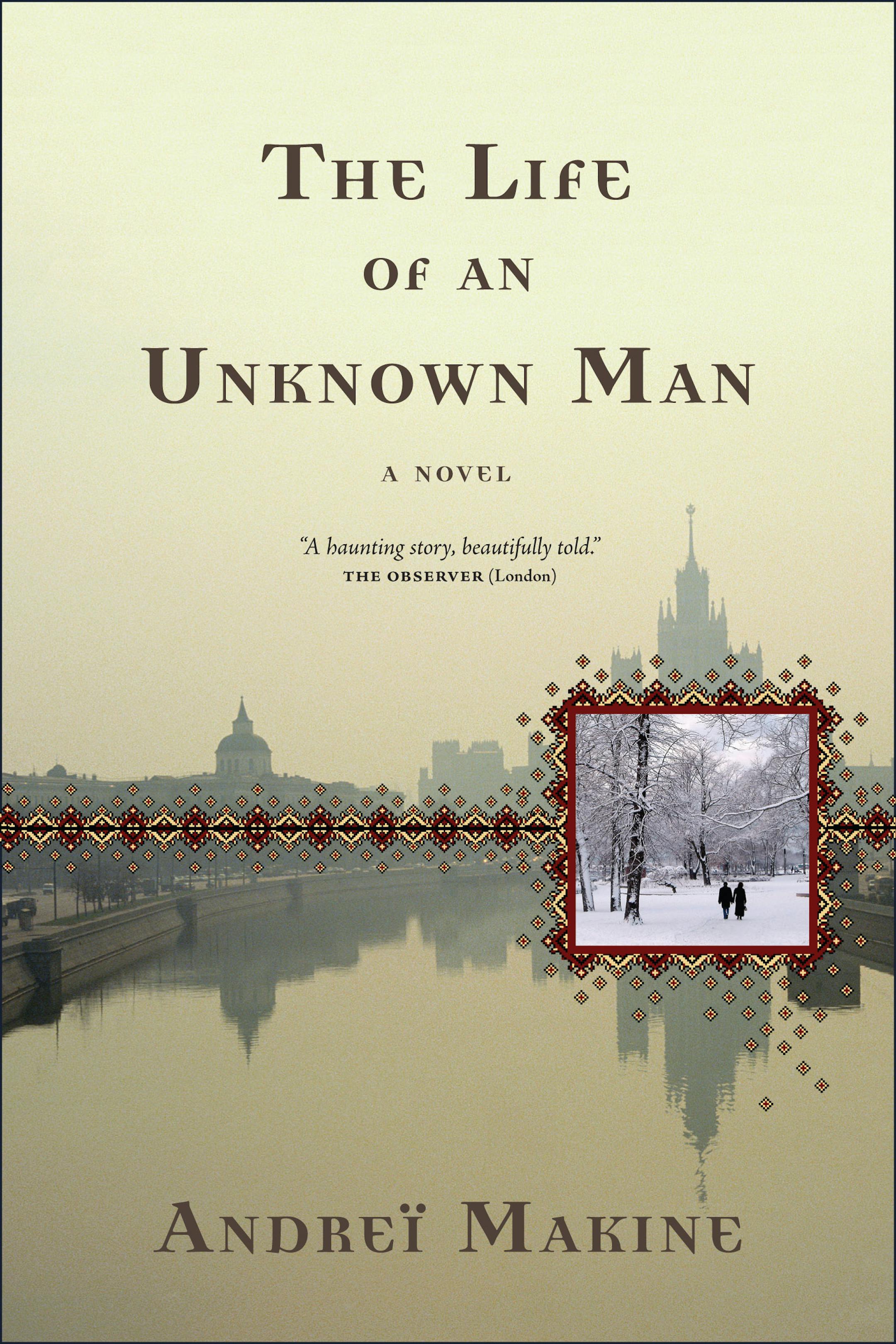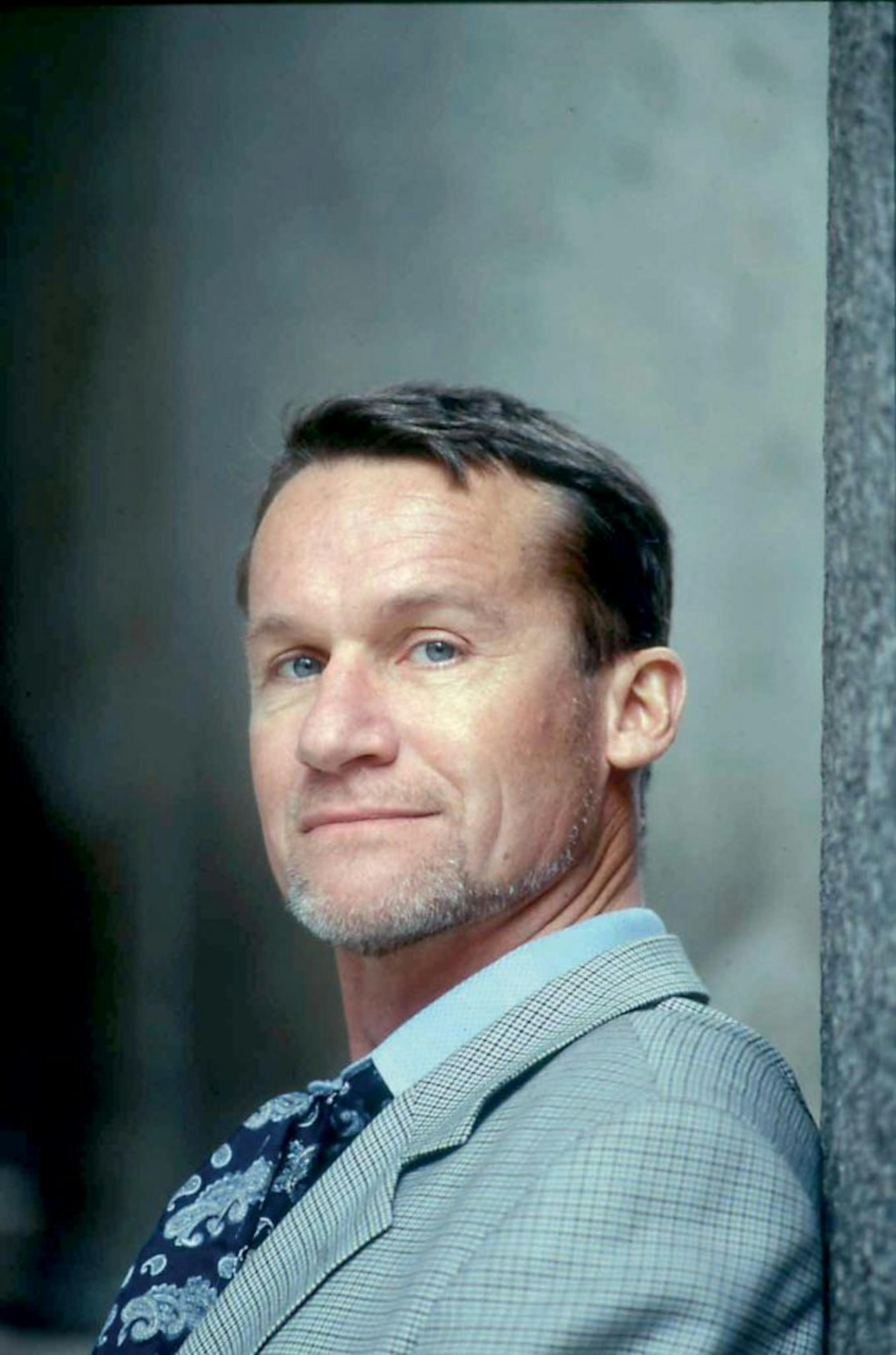
Russian novelist Andrei Makine has lived in Paris since 1987 and writes in French. Among his many books, two stand out: "Dreams of My Russian Summers" and "Once Upon the River Love." Both are haunting, tender evocations of Russian childhood, full of yearning and hope. In contrast, his new novel feels like a last book, a meditation on lost love, the chaos of war, the terrible repetitions of history.
In a kind of preamble, Russian writer Shutov, for 20 years an exiled dissident in Paris, decides, after the collapse of a love affair, to return to his native St. Petersburg, which was still called Leningrad when he left. He finds a hectic city he barely recognizes. "Having come as a nostalgic pilgrim, he finds himself surrounded by modernity gone mad, a mixture of American razzle-dazzle and Russian clowning." When he arrives at the apartment of his first love, Yana, he finds an old invalid in a guest room. The man, Gyorgy Volsky, recounts to him the story of his fateful, mostly terrible life and this account forms the main plot.
Volsky remembers the last good moment before the war began, in 1941 in a cafe, with a cup of hot chocolate and a lovely girl he has just met named Mila. Both are students at the Conservatory who soon find themselves singing for Russian soldiers at the front while waves of men are slaughtered around them. The German siege of Leningrad has begun, which will result in more than 2 million deaths. Corpses litter the streets. Burst pipes create a frozen lake in the middle of the city. "And at the edge of the frozen water, a girl seated there, smiling from the depths of her death."
A year later, in the gigantic battle of Kursk, Volsky's hair turns white; he becomes a prematurely old man as thousands of tanks, "hordes of black tortoises, their carapaces ramming one another, spitting fire," eject "from their blazing shells human beings who burned like torches."
The citizens of Leningrad are barely surviving on one ration of bread per day. And so the war drags on, one grim scene after another.
Miraculously, Volsky and Mila find each other again and, after the war, manage a quiet life, she as a schoolteacher, he as a postman. But history, in the form of the Soviet regime and Stalin's purges, won't leave them in peace. Both are rounded up and sent to labor camps, "which occupied ten times the area of Great Britain." The only shred of reality and truth, Volsky thinks, is to look up at the infinite sky and hope that at the same moment, Mila is also gazing up, their souls touching in that radiant, unspoiled space as Andrei Makine caresses them with his beautiful, compassionate language. "What must be written about is just this: the 'unknown women' and 'unknown men' who loved one another and whose words have remained unvoiced."
Brigitte Frase is a member of the National Book Critics Circle. She lives in Minneapolis.