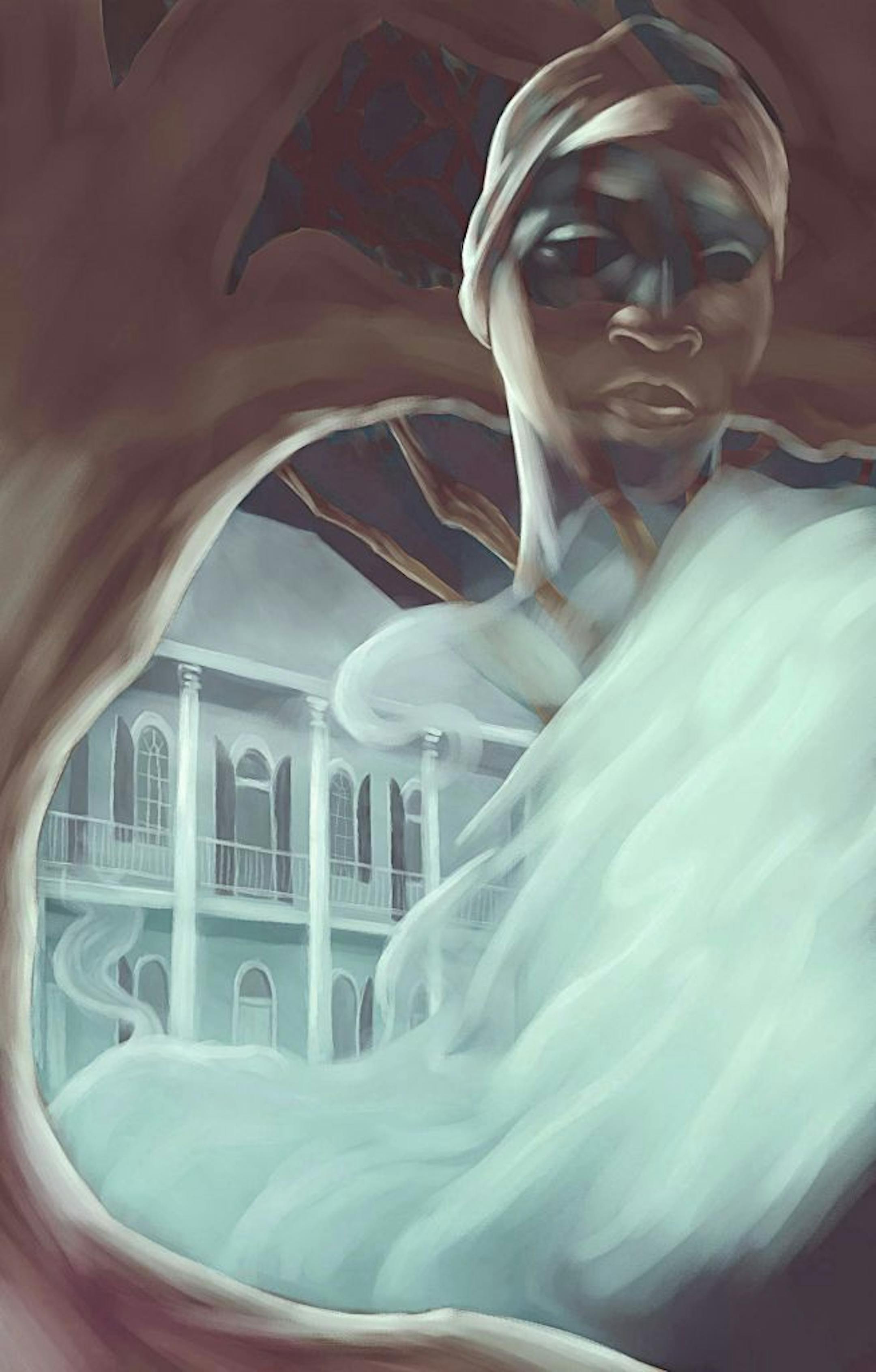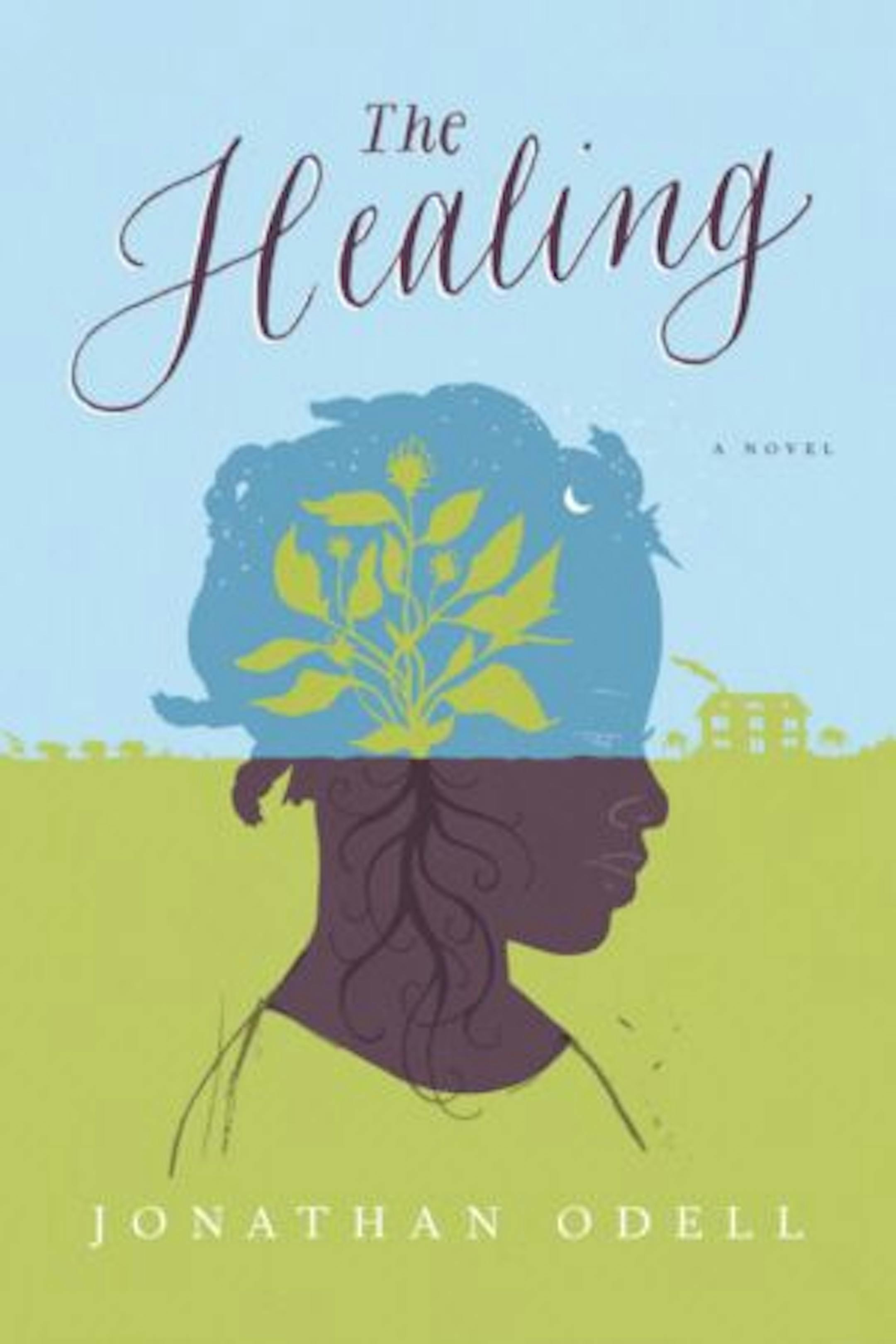
It's rare that a single story can be compelling, tragic, comic, tender and mystical. Minneapolis writer Jonathan Odell's "The Healing" is all of that. On the surface, this is a riveting tale about a midwife's effect on the slaves of a Mississippi cotton plantation in the pre-Civil War South; but more significantly, it is a story about the power of stories. The novel's triumph is that it illustrates its own theme: that individual tales, when woven into a collective narrative, strengthen and heal. When cholera strikes his cotton plantation, killing slaves and his 12-year-old daughter, Ben Satterfield purchases a slave woman known for her healing powers. As this mysterious woman, Polly Shine, begins her work curing the sick and delivering babies, curious things begin to happen.
The most skeptical beneficiary is Granada, a young house slave who thumbs her nose at slaves working the fields. Granada's arrogant demeanor is a result of having been snatched as a newborn from the arms of her mother and used by the white mistress of the plantation as a pet to parade around in her dead daughter's clothing. Granada, however, has hidden powers, and Polly, attuned to them, removes the girl from the master's house in order to develop her gift.
Grudgingly, Granada learns Polly's lessons, but it is not easy because the girl is far removed from her history. Many of the slaves, according to Polly, are "soul sick. ... Ain't got no history. Ain't got no memory." What Polly does for them is help them remember who they are. "You got to know your place in the weave of things," she tells her petulant protégé. "You got to remember where you come from to know where you stand. And you got to know where you stand before you know how to help."
As the story unfolds, Granada and the other slaves become empowered -- not by magic, but by tenderness and compassion. Where the white doctors treated slaves as field animals, Polly treats them as human beings. "They just starving people is all," she explains. "I fed them. Talked to them. Listened."
The novel is about listening. It opens in 1933 with Granada, now an old woman, reflecting on her childhood in 1847. Her stories are meant to aid a grieving 9-year-old left motherless on her doorstep. Gradually, the old woman and the child blend their stories and both are healed.
This is a beautiful book, well crafted and textured. It combines the historical significance of Kathryn Stockett's "The Help" with the wisdom of Toni Morrison's "Beloved." There are few characters in literature as compelling and compassionate as Polly Shine, who teaches us to "choose for the people ... and God will be on your side. Choose for yourself and you'll be walking alone."
Christine Brunkhorst teaches English at St. Thomas Academy in Mendota Heights.