
FICTION: "The Devil in Silver," by Victor LaValle.

A sane man is committed to an insane asylum, where he observes shortages and abuses -- and meets the devil.

For the Minnesota Star Tribune
September 9, 2012 at 2:38AM
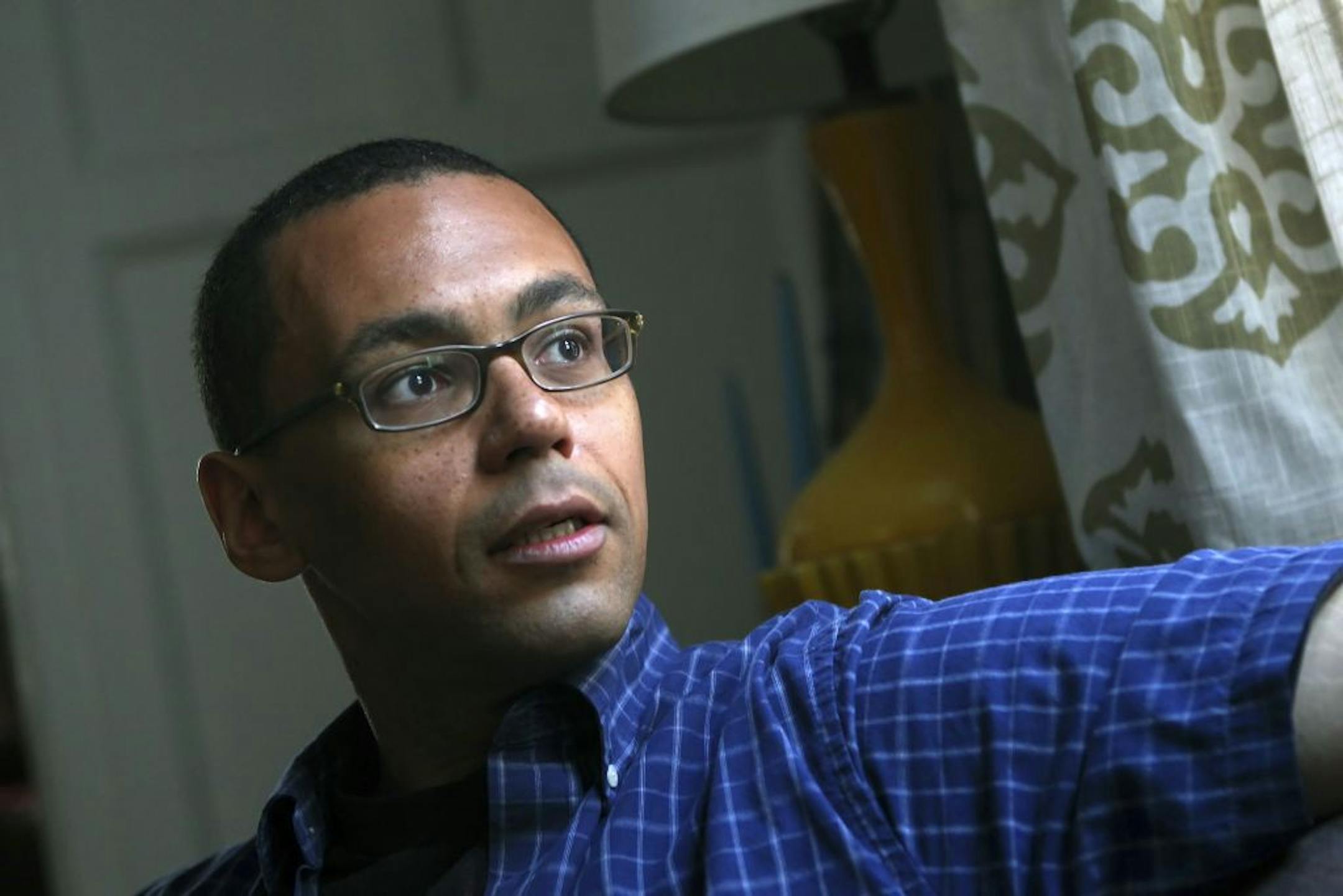
Novelist Victor LaValle at home in New York, Aug. 30, 2012. LaValle's third novel, "The Devil in Silver," is set in a mental hospital and features LaValle's characteristic blend of tones, from humor to horror.
Novelist Victor LaValle at home in New York, Aug. 30, 2012. LaValle's third novel, "The Devil in Silver," is set in a mental hospital and features LaValle's characteristic blend of tones, from humor to horror. (New York Times/The Minnesota Star Tribune)

Is it possible to write about this country's decay and overreach without visiting its battlefields? Yes, it is. Just visit a veterans hospital, look in the foreclosure section of a newspaper or, as Victor LaValle has done in his powerful and crusading third novel, "The Devil in Silver," drop in to a mental health facility.

In the past three years, the United States has lost more than $3.4 billion in mental health care funding. Pepper, the hero of LaValle's book, learns what this has done to hospitals first-hand when he fights with three plainclothes New York City police officers and is involuntarily committed for a 72-hour hold in Queens.

The mood of Pepper's intake is part slapstick, part horror novel.

After debriefing, he meets a menagerie of characters -- a teenager compulsively pulling out all her hair, an elderly woman with a penchant for flashing new intakes. Not for a second does LaValle imbue them with romanticized insights.

The Devil in the book is part metaphor, part man. He's kept behind a silver door and stalks the halls at night, spooking residents like a gross manifestation of the fear of madness that LaValle's characters both possess and represent.

Daytime presents mundane real-world horrors. The hospital runs a computer system borrowed from a mortgage foreclosure company, one designed to cut people off from asking for help. "The tables and chairs were the kind of dining sets you might buy from a defense contractor."

Pepper, admitted on a technicality, winds up in a long-term stay. "We did keep you for a seventy-two-hour observation," his doctor explains to him. "But what we observed is that you needed more time with us. So we readmitted you, as an involuntary admit."

This is a long book, and the attention LaValle pays to detail becomes a kind of political statement. The tale doesn't rush, because its characters' lives do not get to -- their lives are eked out, one numbing routine at a time. Forced to sit still with them, one grows fond of their idiosyncrasies and suffers the length of their stay alongside them.

As the book slowly coalesces toward a climax, LaValle splices in real news stories about abuses and decay within New York City's mental institutions, tales of woe that lend a ghoulish tint to Pepper's comical attempts to escape. Some of the people in this book need to be there, yes, but they need more than just removal from society.

And here is LaValle's impassioned point. The indignities of an underfunded mental health system create new mental issues for its patients. Do we need to be inside it to care? Near the end of the novel Pepper's doctor makes an admission that chills him far more than the Devil himself. "The system is working exactly right for those it was intended for. That's why it hasn't been fixed. Because it isn't broken!"

John Freeman is the editor of Granta and the author of "The Tyranny of E-mail."

THE DEVIL IN SILVER by: Victor LaValle.
THE DEVIL IN SILVER by: Victor LaValle. (Star Tribune/The Minnesota Star Tribune)
about the writer

about the writer

More from Minnesota Star Tribune

See More
card image
J. SCOTT APPLEWHITE, ASSOCIATED PRESS/The Minnesota Star Tribune

The "winners" have all been Turkeys, no matter the honor's name.

In this photo taken Monday, March 6, 2017, in San Francisco, released confidential files by The University of California of a sexual misconduct case, like this one against UC Santa Cruz Latin Studies professor Hector Perla is shown. Perla was accused of raping a student during a wine-tasting outing in June 2015. Some of the files are so heavily redacted that on many pages no words are visible. Perla is one of 113 UC employees found to have violated the system's sexual misconduct policies in rece