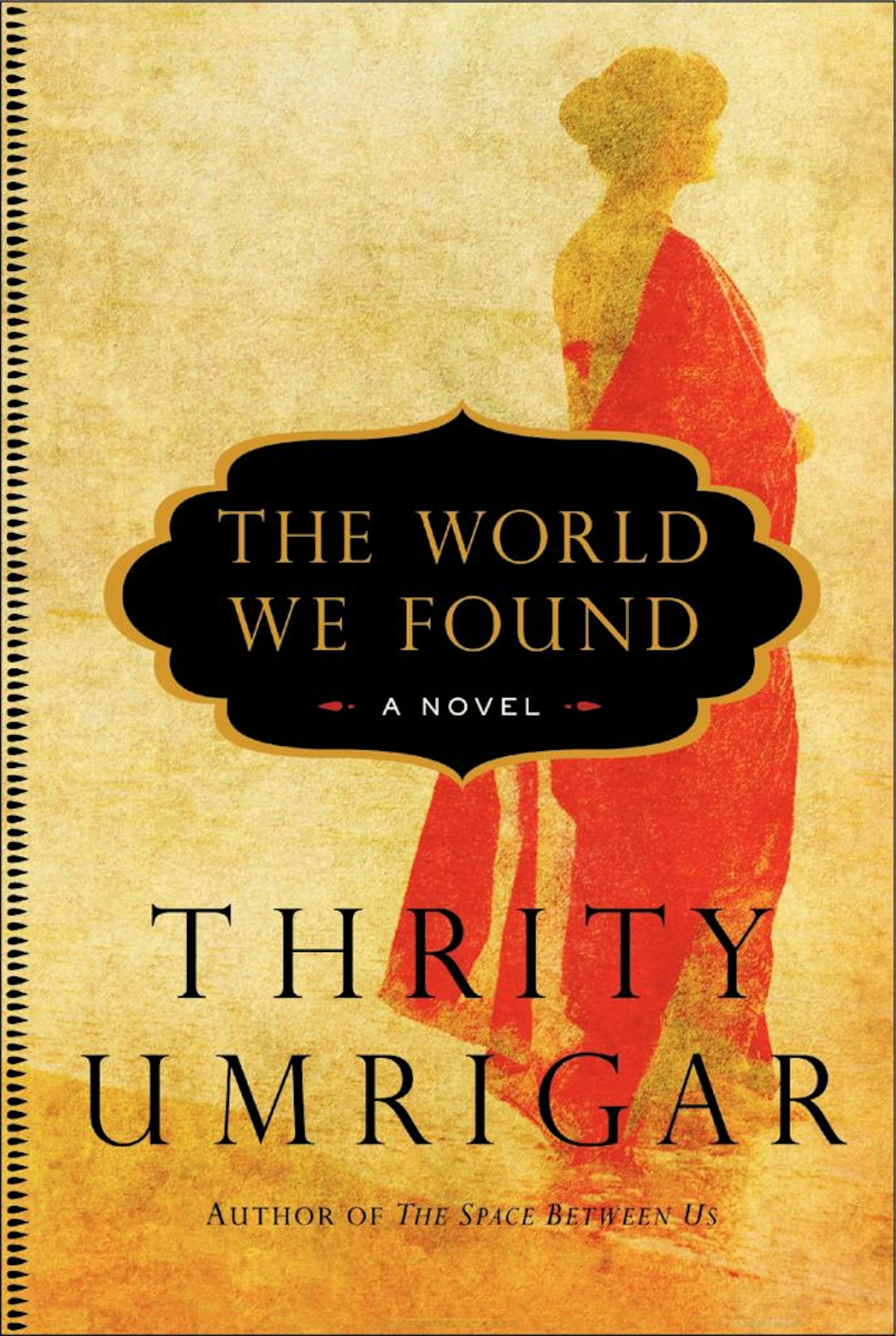
In her fifth novel, "The World We Found," Thrity Umrigar presents the story of four friends -- university buddies, comrades during 1970s-era Bombay protests. The narrative picks up in the present day to find the affable foursome drifted since college, their political views less strident but their memories still fond.
Like an Indian Ya-Ya sisterhood, the bond of female friendship is the story's driving force. While the setting is fresh, the sentimentality, due to the weighty themes of terminal illness, suppressed love and nostalgia, feels heavy handed at times.
The novel begins with Armaiti, resettled in America, whose dying wish is to see her three best friends again. Two are still close in India, but the third friend, Nishta, has distanced herself to appease her husband. The novel paints a beautifully complex portrait of a mixed marriage in modern India (Muslim and Hindu), and portrays Nishta's husband, who became more devoutly Muslim following the 1993 riots, with compassion and pathos, even as he becomes increasingly restrictive of his wife's agency.
There's ample discussion to be had here on the topics of family, friendship, religion and marriage. Umrigar is a lively storyteller. The women are sympathetic characters, their relationships fully realized and deeply felt. The prose can veer toward overwritten, but Umrigar's evocative world is one worth finding, indeed.