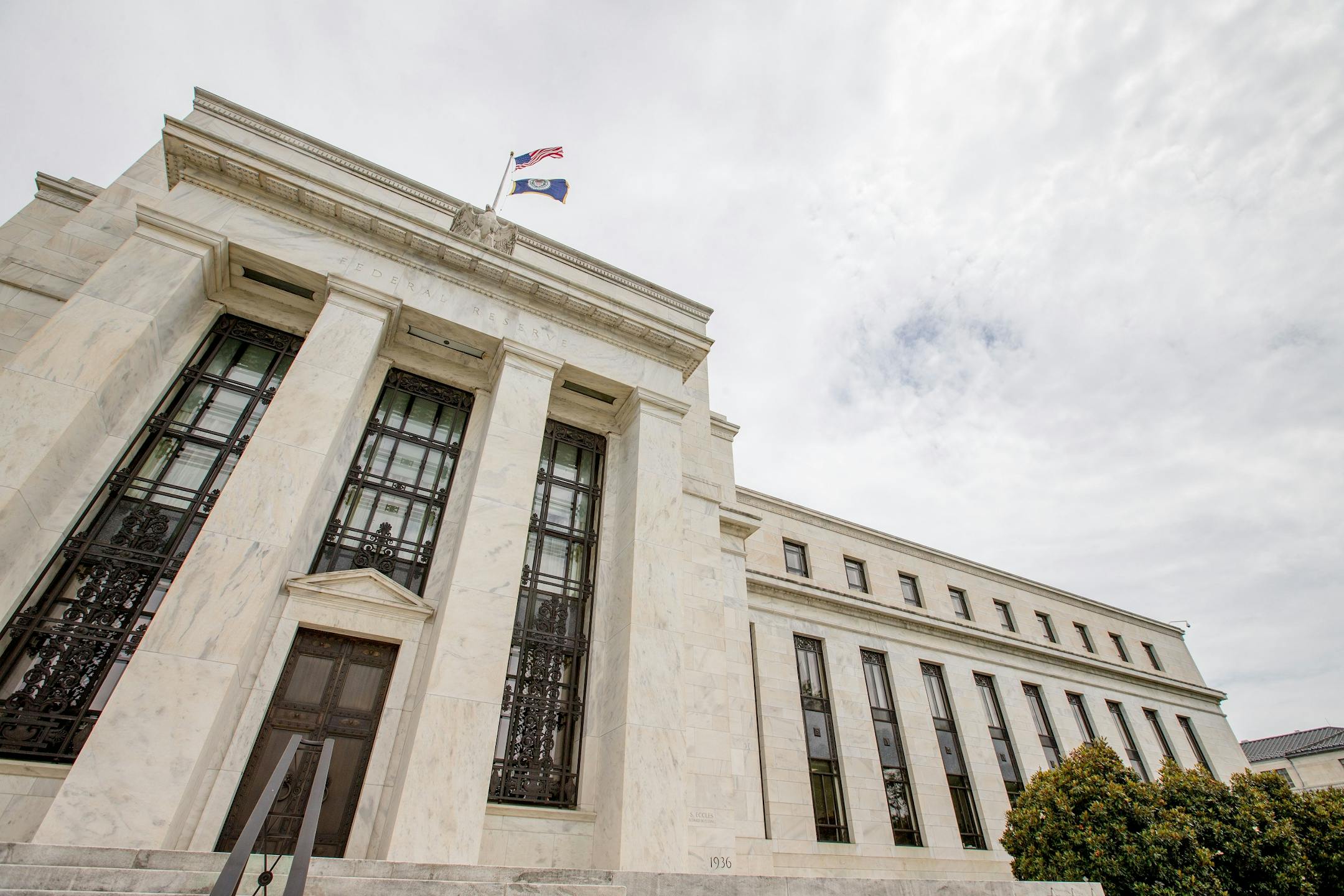
WASHINGTON — The Federal Reserve ended weeks of speculation Thursday by keeping U.S. interest rates at record lows in the face of threats from a weak global economy, persistently low inflation and unstable financial markets.
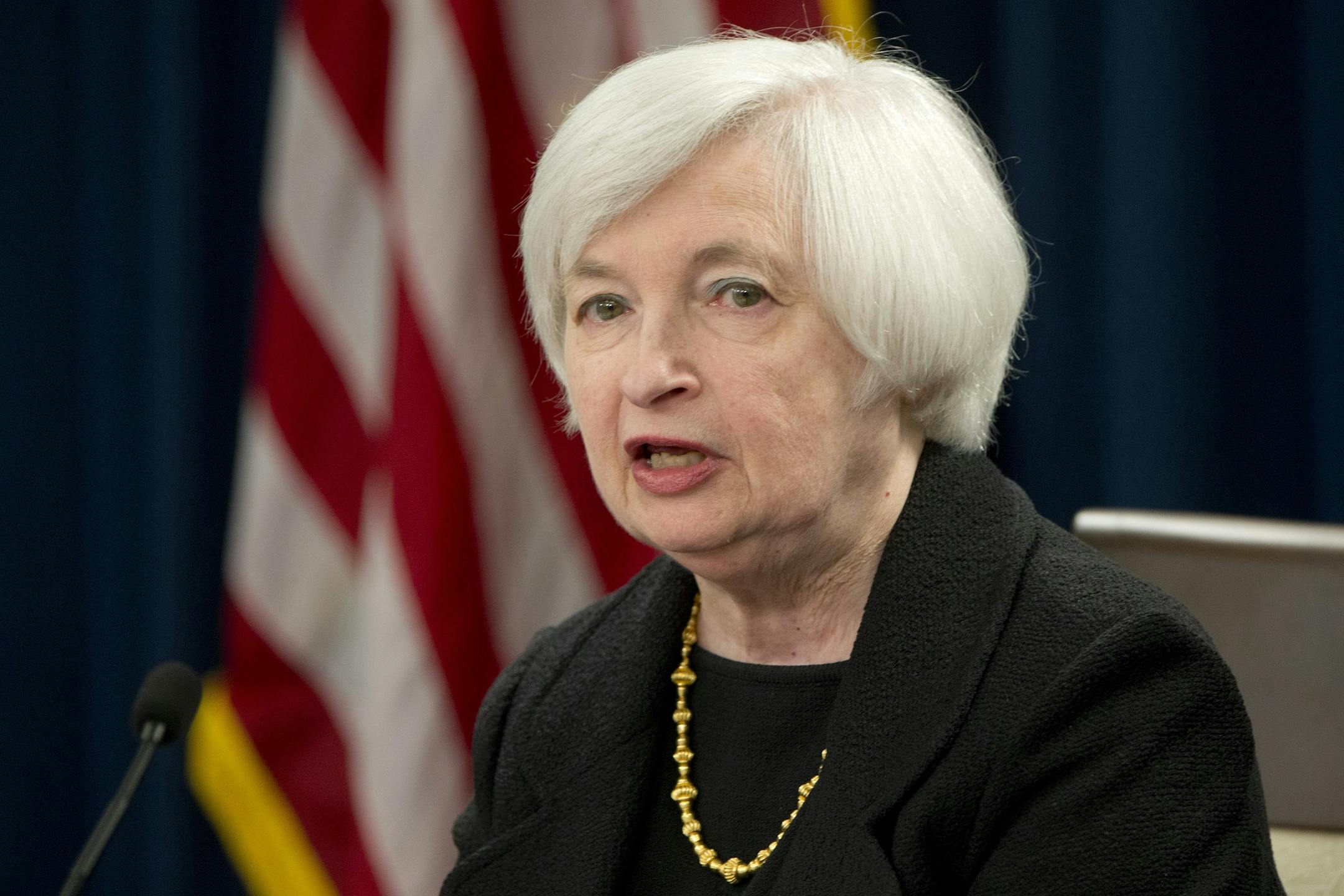
But at a news conference after a Fed policy meeting, Chair Janet Yellen said a rate hike was still likely this year. A majority of Fed officials on the committee that sets the federal funds rate — which controls the interest that banks charge each other — foresee higher rates before next year. The Fed will next meet in October and then in December.
"Every (Fed) meeting is a live meeting," Yellen said. "October, it remains a possibility."
In maintaining its policy, the Fed is keeping its benchmark short-term rate near zero, where it's been since the depths of the 2008 financial crisis. A higher Fed rate would eventually send rates up on many consumer and business loans.
The ultra-low loan rates the Fed engineered were intended to help the economy recover from the Great Recession. Since then, the economy has nearly fully recovered even as pressures from abroad appear to have grown.
In a statement it issued after its meeting ended, the Fed said that while the U.S. job market is solid, global pressures may "restrain economic activity" and further slow inflation.
Signs of a sharp slowdown in China, the world's second-largest economy, and other emerging economies have intensified fear about the U.S. and global economy. And low oil prices and a high-priced dollar have kept inflation undesirably low.
"We're focused particularly on China and emerging markets," Yellen said at her news conference. "We've long expected, as most analysts have, to see some slowing in Chinese growth over time as they rebalance their economy. The question is whether or not there might be a risk of a more abrupt slowdown than most analysts expect."