

Walk in to the corner store at Cedar Avenue and E. 26th Street to grab a bag of chips or a soda, and customers first run into an obstacle.
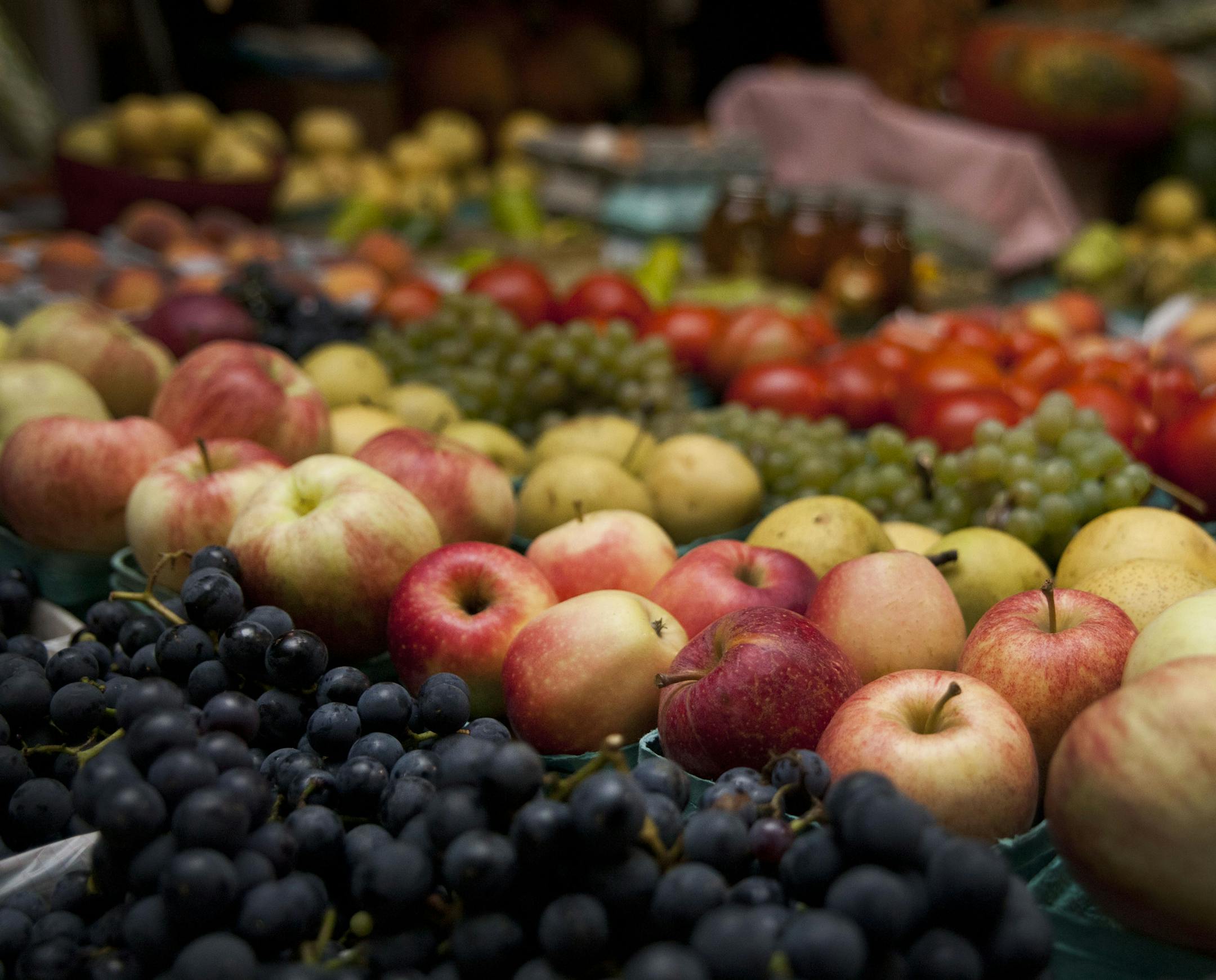
Just inside the entrance to Cedar Food & Grill, there's a large display packed with an ever-growing variety of fresh foods: peaches, oranges, avocados, tomatoes — even whole coconuts and bunches of cilantro. Further back, coolers filled with eggs and milk are so popular that store employees have to restock them several times each day.
Six years after Minneapolis became the first city in the United States to require small shops to stock healthy foods, stores like Cedar Food & Grill are prime examples of how a new policy and some guidance can lead to big changes. Now, city officials are looking to double down on their efforts.
The Minneapolis City Council will soon consider a proposal that would tighten standards for small food retailers, increasing the amount of fresh produce, protein items, milk, juice and whole-grain breads they must keep in stock. In addition, the plan could require some dollar stores to get a grocery license and follow the new rules.
The idea behind the initial staple foods ordinance was to bring healthful options to neighborhoods without nearby grocery stores to help combat rising problems with obesity and other diseases. But Council Member Cam Gordon, who introduced the revised law, said the city's current rules don't go far enough.
"The food requirements are pretty minimal," he said. "When we passed them a few years ago, they didn't seem so minimal."
Gordon's proposal is modeled in part on the standards of the government Special Supplemental Nutrition Program for Women, Infants, and Children, known as WIC. Among the plan's specifics, which will be considered at an Oct. 20 public hearing:
• Stores would have to stock 30 pounds or 50 items of at least seven varieties of fresh fruits and vegetables, up from the current requirement of five varieties with no minimum amount.


