Dracula has the day off, I was told. I was in Sighisoara — a 12th-century Transylvanian town touted as Dracula's birthplace — where he usually could be seen lying in state in a coffin in his "birth room."
"He had a very busy summer season," the manager at the place explained apologetically.
Somehow, his absence seemed fitting. Ever since I'd landed in Bucharest and headed out to the Transylvanian countryside in search of Bram Stoker's famous count, the guy had remained elusive. No billboards touting "Dracula's hometown," no roadside signs marking "Dracula's Trail." Even my guide and driver were quiet on the subject. Romania, it seems, isn't keen to cash in on their connection to the vampire-obsessed Western world.
No matter, I soon discovered. Dracula's homeland offers much more to see than a vampire.
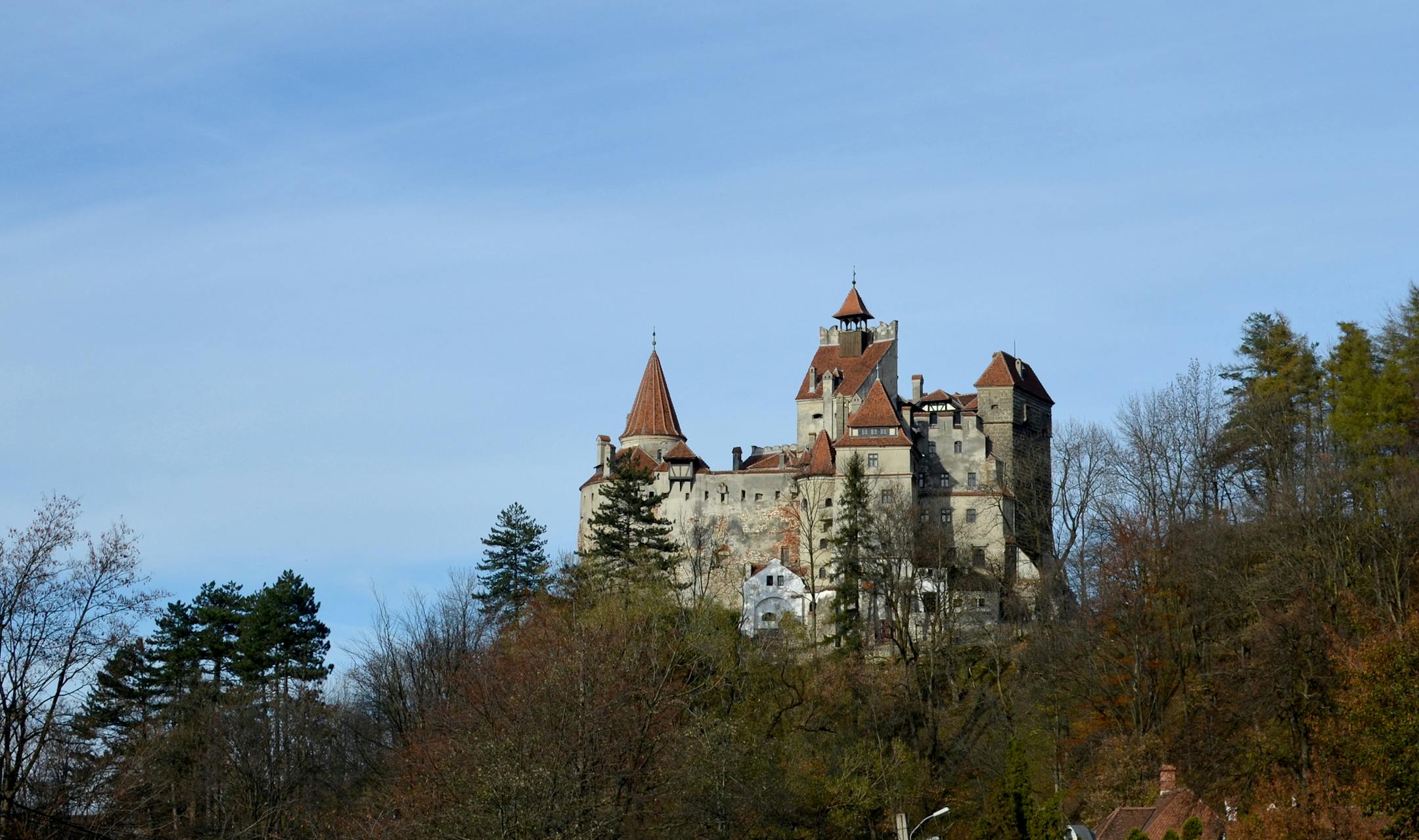
Irish author Bram Stoker never traveled to Transylvania, but infused his "Dracula" with the legends and lore of the place. In doing so, he painted a foreboding landscape of evening mists, looming shadows, ancient castles and dark forests. But I kept finding its medieval towns charming and its autumn sunlit landscape more conducive to a fairy tale than a horror novel.
Traveling to Transylvania was like visiting the past. A man crossed a road carrying a scythe; another delivered milk, pulling an old-time tin milk container in a wagon. Horse carts dotted the highway. Sunlight turned the mounded haystacks in the fields to gold.
All that charm I would discover after my first evening in Transylvania. That first night, the weather as Stoker's character Harker described it when he first entered the region: "On the dark side of twilight."
Clouds hung low over the countryside and tall trees lined the empty highway, casting long shadows. High within the tree boughs hung huge airy orbs of mistletoe. The mood to me seemed perfect; it was the Transylvania I expected.