As a friend planned her upcoming Portuguese vacation, I quietly encouraged (OK, tirelessly browbeat) her into taking a side trip from Lisbon to Porto. "I'd only have time to get off at the train station, turn around, and come back," she protested.
"That's reason enough to go," I told her.
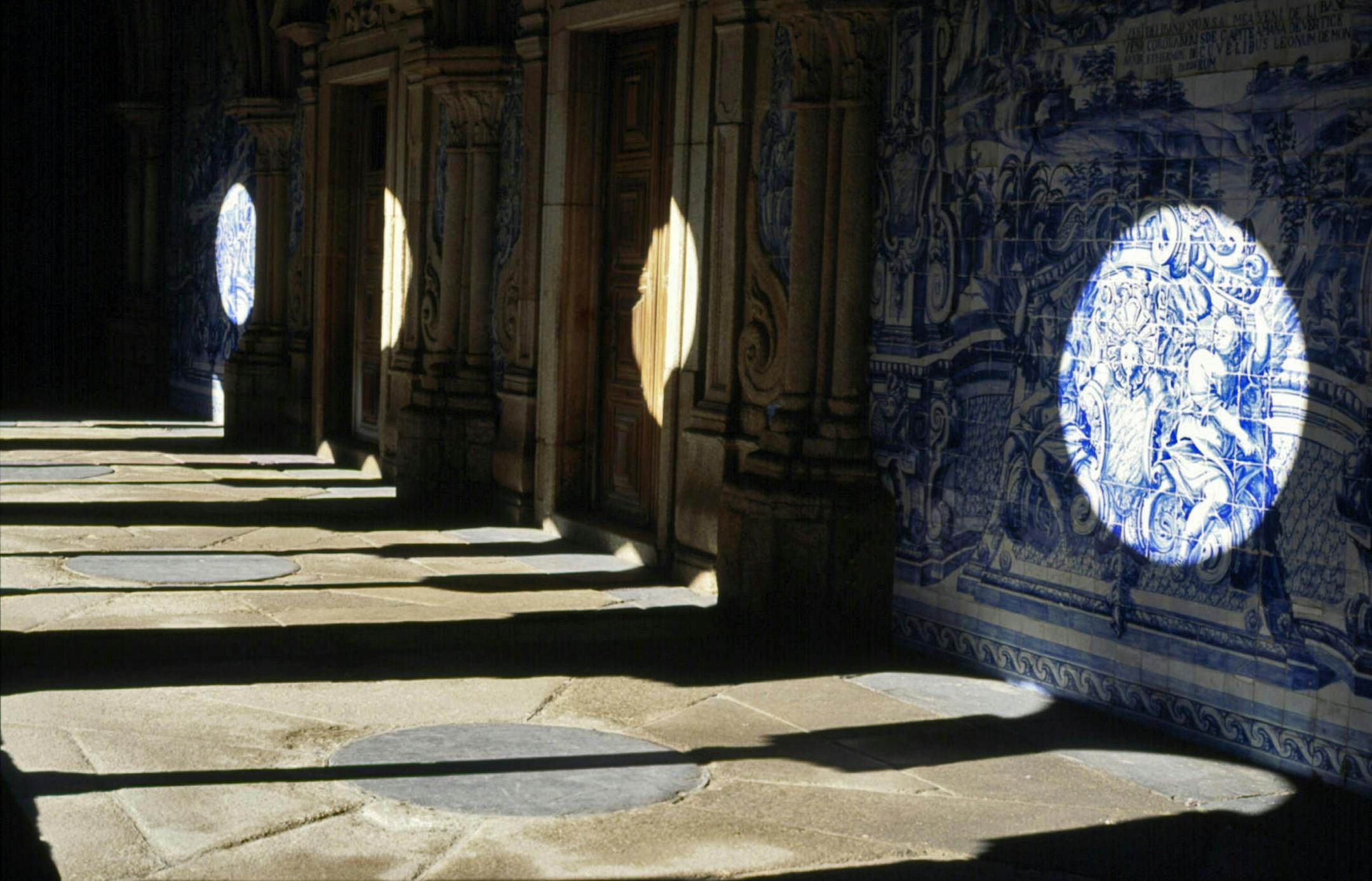
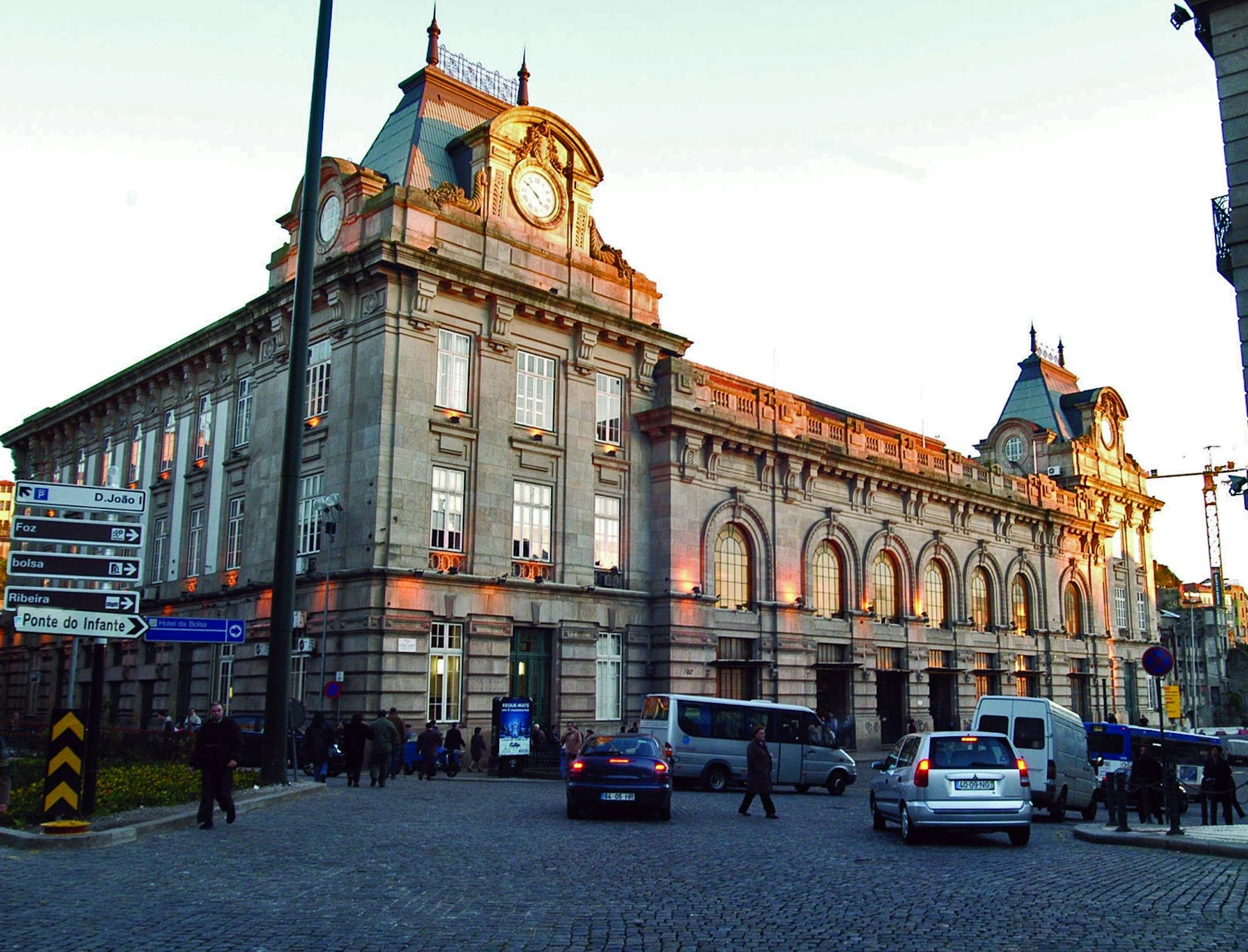
I wasn't being facetious. Porto's São Bento Train Station qualifies as one of the world's great unrecognized artistic treasures, a transportation hub cum ethereal landmark. Hanging in its long cathedral-worthy vestibule are no fewer than 20,000 painted tiles offering a sweeping tour of Portugal's history, landscape and culture by way of monumental panels. It's the cultural scenes that are most evocative: a line of men threshing their way through a ripe field; knots of women floating down a river on elegantly carved wooden boats; a girl standing in a village square, looking out at the viewer, her hair bundled up in a scarf and a downy calf leaning against her legs.
Gleaming in blue and white, painted in the early 20th century by master tile painter Jorge Colaço, the images have a haunting, elegiac beauty, as bittersweet as fado music, Portugal's lovelorn folk ballad.
The images are witnesses, in a way -- traces of a gorgeous world half lost and half salvaged.
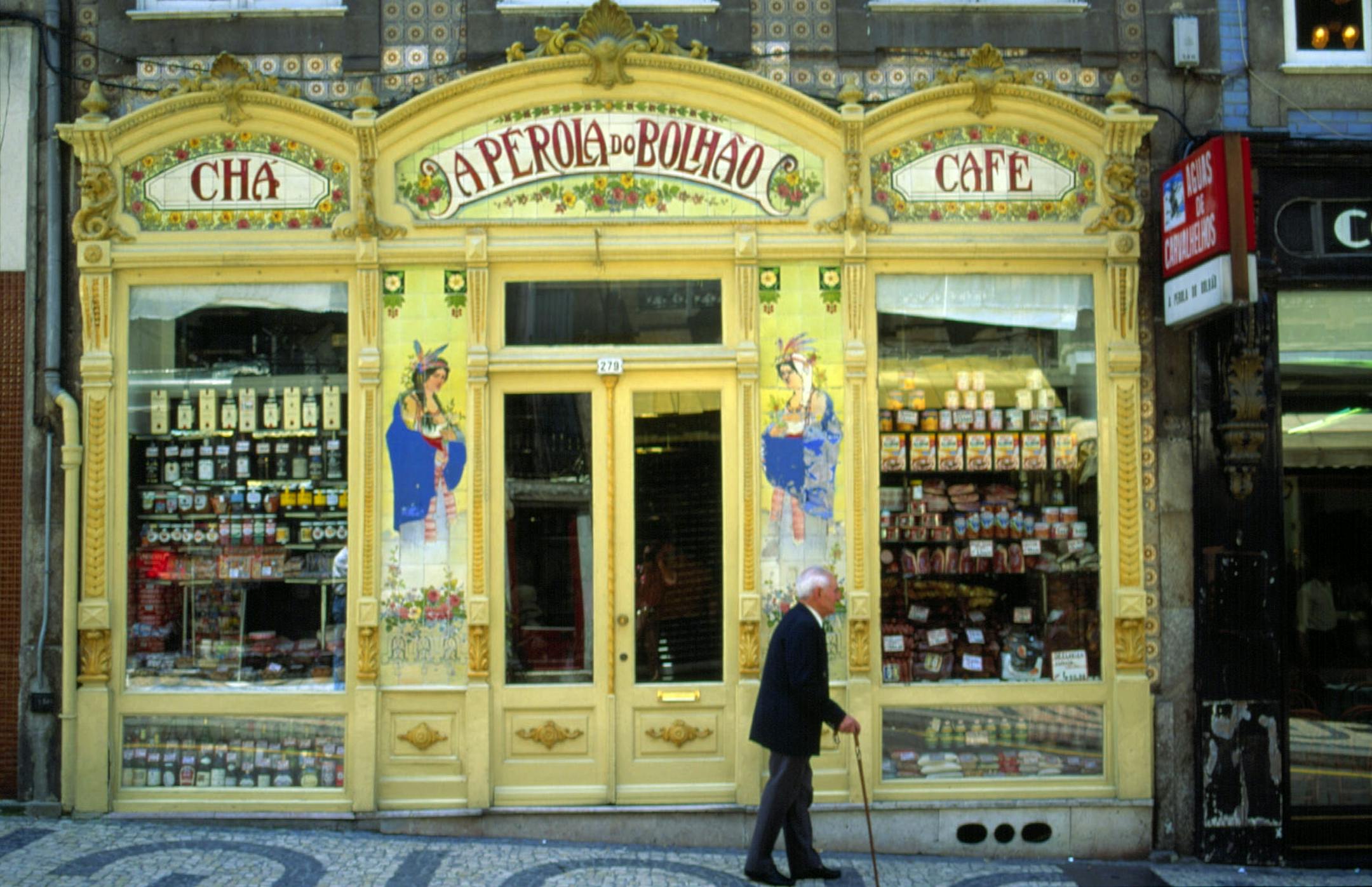
They are also fitting emblems of Porto's limitless talent to surprise, and the city's dedication to salvaging the best of its own back streets.
Lisbon, of course, wears the permanent crown as Portugal's cultural beauty queen, and Porto slipped into the thankless role as the country's ugly stepsister of a second city for a reason. Rich in the 17th and 18th centuries -- when it was a trading center famous for its Douro River Valley Port wine -- the northern Portuguese city slowly devolved into a largely industrial, gritty eyesore. By the 20th century, big chunks of its medieval historic core had been left to rot into slumped slums.
Then Porto's fortunes doubled back. First came the UNESCO designation of the city's medieval center as a World Cultural Heritage Site in 1996. Then Porto won the title of European Capital of Culture in 2001. The twin salute triggered a recognition of what had been lost -- and a concerted effort to reclaim things. Slowly restaurants, cafes, bars and shops moved back into the city center and then larger landmark projects got launched, building to a frenzy of exuberant activity in the past five years.