Throughout his adolescence, José Ramirez Jr., now a clinical social worker in Houston, had a shifting array of bewildering symptoms.
Sometimes, he was feverish; at other times, nauseated. He'd find swellings on his hands and his feet and open sores that wouldn't heal. He'd grow hypersensitive to touch, unable to bear even the rustle of a bedsheet.
Dermatologists were baffled. Eczema? Lupus? Varicose veins? Spiritualists spoke of demonic possession. Finally, Ramirez's sister, who worked at a hospital, persuaded two doctors to take on her brother's medical mystery. They sent biopsied tissue to federal researchers in Atlanta.
"Within 24 hours, the director of the Texas Health Department came to see me," Ramirez said. "He told me I had leprosy."
It was 1968, Ramirez had just turned 20, and he would spend the next seven years at the National Leprosarium in Carville, La. Today, Ramirez, 66, is considered cured of the disorder, and he has no visible signs of it — no facial scarring or disfigurement.
Emotional scarring is another matter. The "stigma, guilt and shame" that dog the disorder defy belief, Ramirez said. That is why he has given talks around the world, with the essential message that everything you think you know about Hansen's disease is probably wrong.
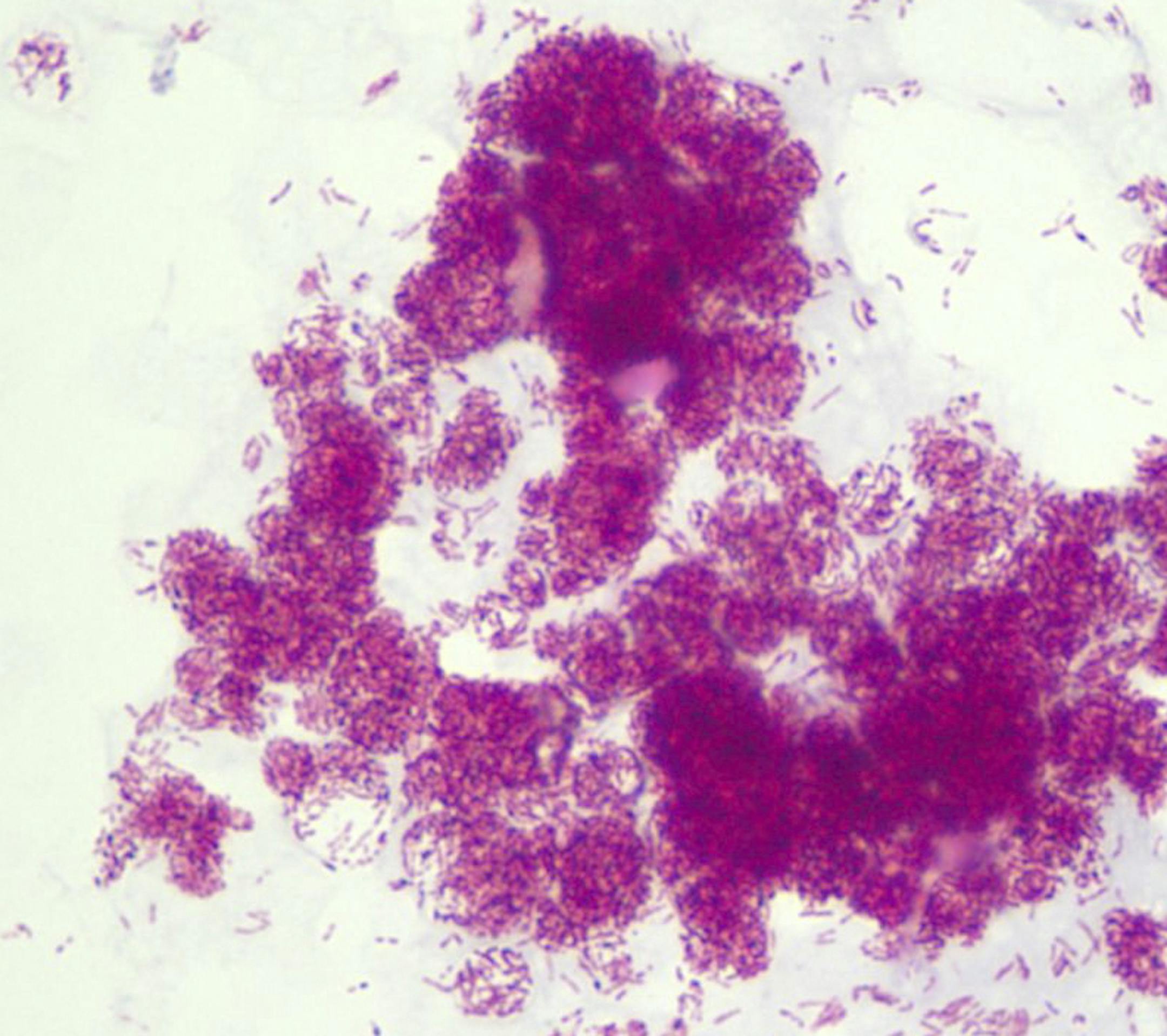
That message resonates with researchers as well, who say that, for all the antiquity and notoriety of the disease, it continues to surprise and confound them. The illness can now readily be cured with antibiotics, yet the basic nature of the microbial culprit — a waxy, rod-shaped character called Mycobacterium leprae — is still being sketched out. Research suggests that the leprosy parasite is a paradox encapsulated — at once rugged and feeble, exacting and inept.
One research group proposed that leprosy may be the oldest infectious disease to go specifically for human beings, with origins dating back millions of years, certainly suggesting a pathogen of formidable persistence.