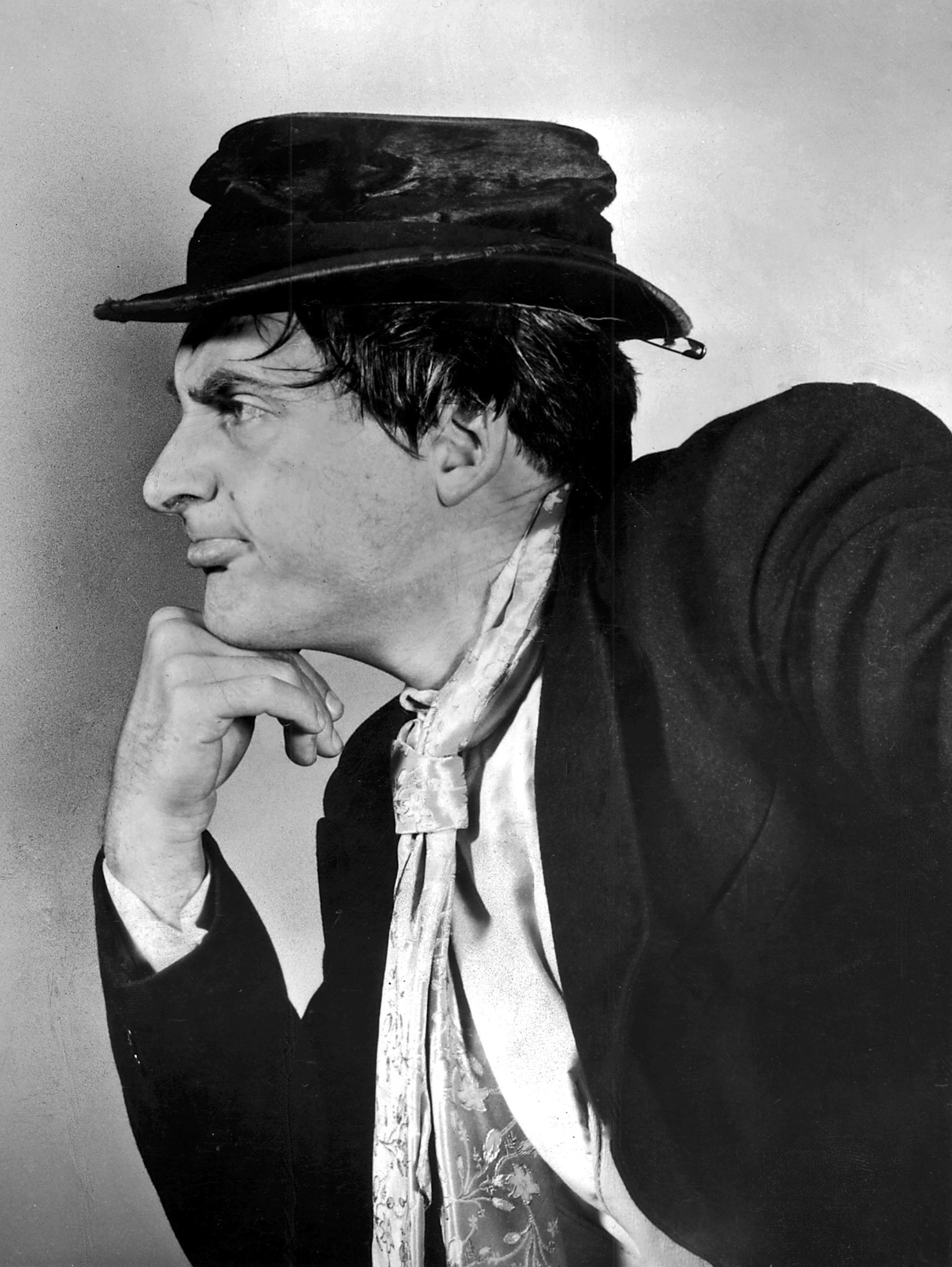
Sid Caesar's death last week may not register with that many people, certainly few people under 60, because he belonged to a different era of TV. In fact, he belonged to the very first era of TV.
"Your Show of Shows," which premiered in 1950, was a 90-minute variety show with musical guests, scripted sketches and improv. Later came "Caesar's Hour," featuring sketch comedy and musical acts.
You may think you know nothing about Sid Caesar, but you know more than you think. He was the model for Carl Reiner's Alan Brady character on "The Dick Van Dyke Show." The Peter O'Toole film "My Favorite Year" was based on what it was like to work for Caesar, a mad genius if ever there were one.
Caesar's various TV shows were funny, but mostly, they were all about the writers, many of whom appeared in front of the camera as well as serving their time in the writers' room madhouse: Imogene Coca, Howard Morris, Reiner, Mel Brooks. Other writers included Neil Simon, his brother Danny, Michael Stewart and Larry Gelbart.
The fact that Caesar's shows were done live only adds to how significant he was in the early days of television. We have live TV today, but it doesn't quite have the sense of laughing on the edge of an abyss that live TV — and sketch comedy in particular — had in the '50s. Cast members would break character and break up laughing at each other, much as the cast of "The Carol Burnett Show" did for 11 years on CBS, or the cast of "Saturday Night Live" does today.
But in the '50s, in glorious black-and-white, with rudimentary production values and technology, there was a sense of hilarious danger every minute during a typical episode of "Your Show of Shows" and Caesar's other TV vehicles, into the early years of the next decade.
His various TV shows lasted in one incarnation or another through the middle of the '60s, but television had changed, and so had America. TV had lost its innocence, for lack of a better word, and a new generation of viewers wanted what they thought was more sophisticated fare. Other viewers turned in the opposite direction, seeking out really stupid sitcoms with a suburban housewife having to hide the fact that she was a witch, hillbillies moving to a Beverly Hills mansion, and an astronaut discovering a sexy genie in a bottle on the beach.
In fact, Caesar's comedy was far more sophisticated than many viewers may have realized at the time. Eventually, it would influence a new era of television, first with Reiner's "Dick Van Dyke Show" and then with the comedies of Norman Lear in the '70s and beyond.