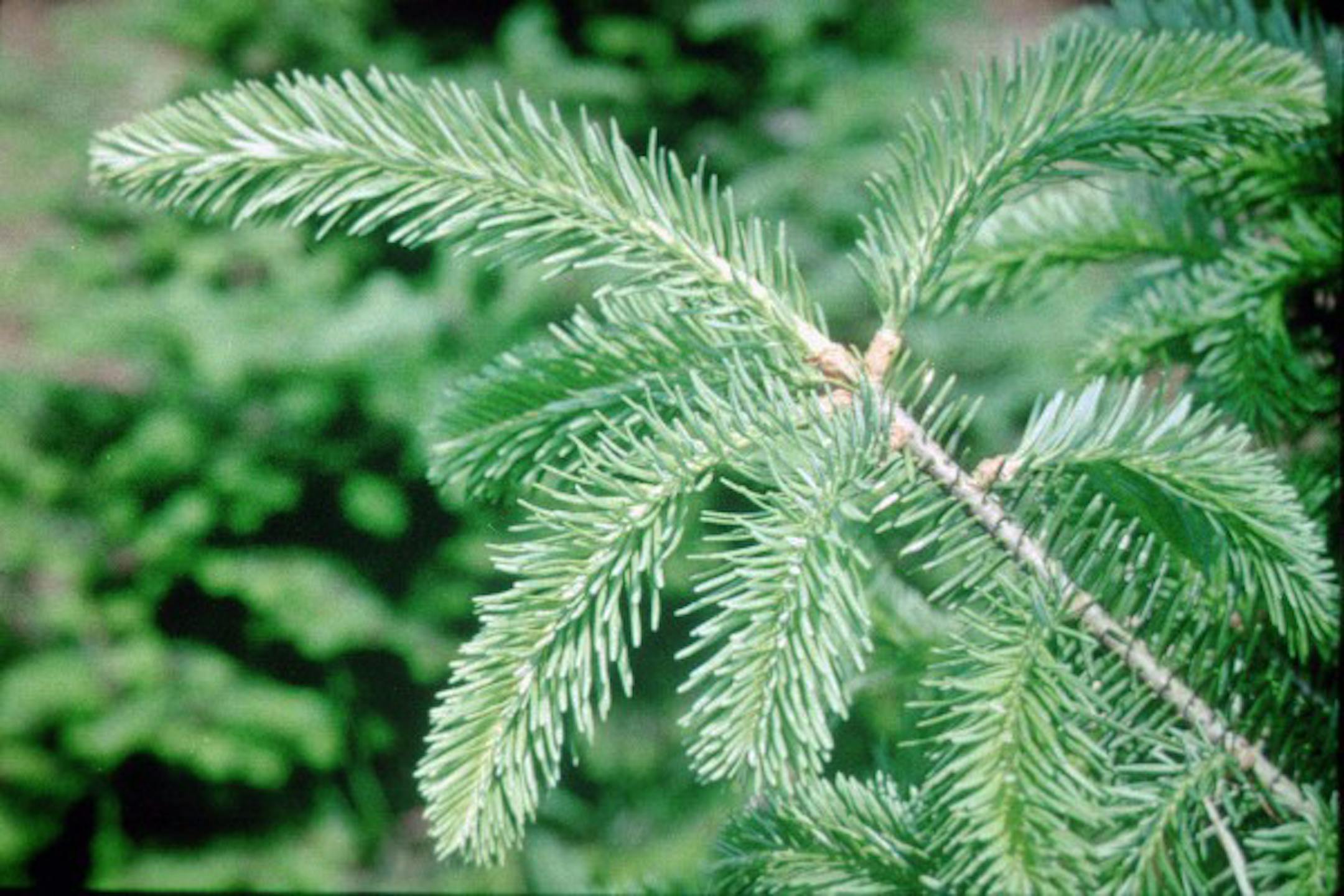
At this stage of winter, you might be weary of our naked landscape. But if you look around, you'll notice the unsung heroes of the season: evergreens.
Because most deciduous trees and shrubs go leafless from November through April, evergreens are essential to northern landscapes, where green foliage of any kind is a blessing in our long winters.
Simply put, an evergreen is a plant that retains living foliage throughout the year. Evergreens can be broad-leafed or narrow-leafed (needled), but in Minnesota, we rely almost exclusively on the needled evergreens such as pine and spruce. (A few broad-leafed evergreens, such as PJM rhododendron and Korean littleleaf boxwood, survive here, but these shrubs don't have as much impact on the landscape as the larger evergreens.)
Evergreens not only retain their good looks through winter, but also serve a practical role by blocking winter winds and providing year-round screening. Dense evergreens give birds protection from wind and serve as a refuge during snowstorms, as well.
From a design perspective, evergreens add structure and mass to a landscape. When carefully placed, they help move the viewer's eye through the landscape toward a focal point. That's an especially important quality when deciduous trees are in their "see-through" state.
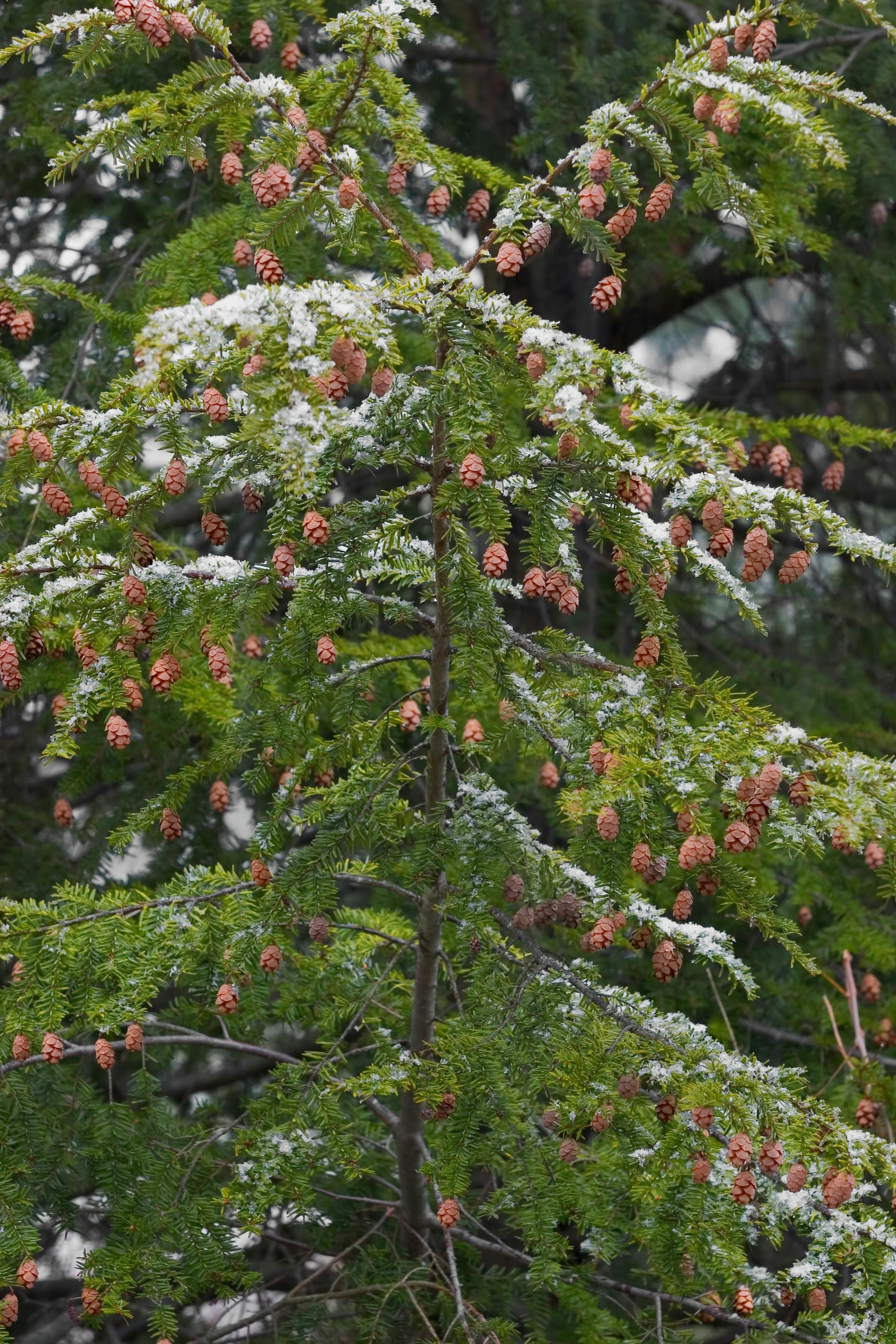
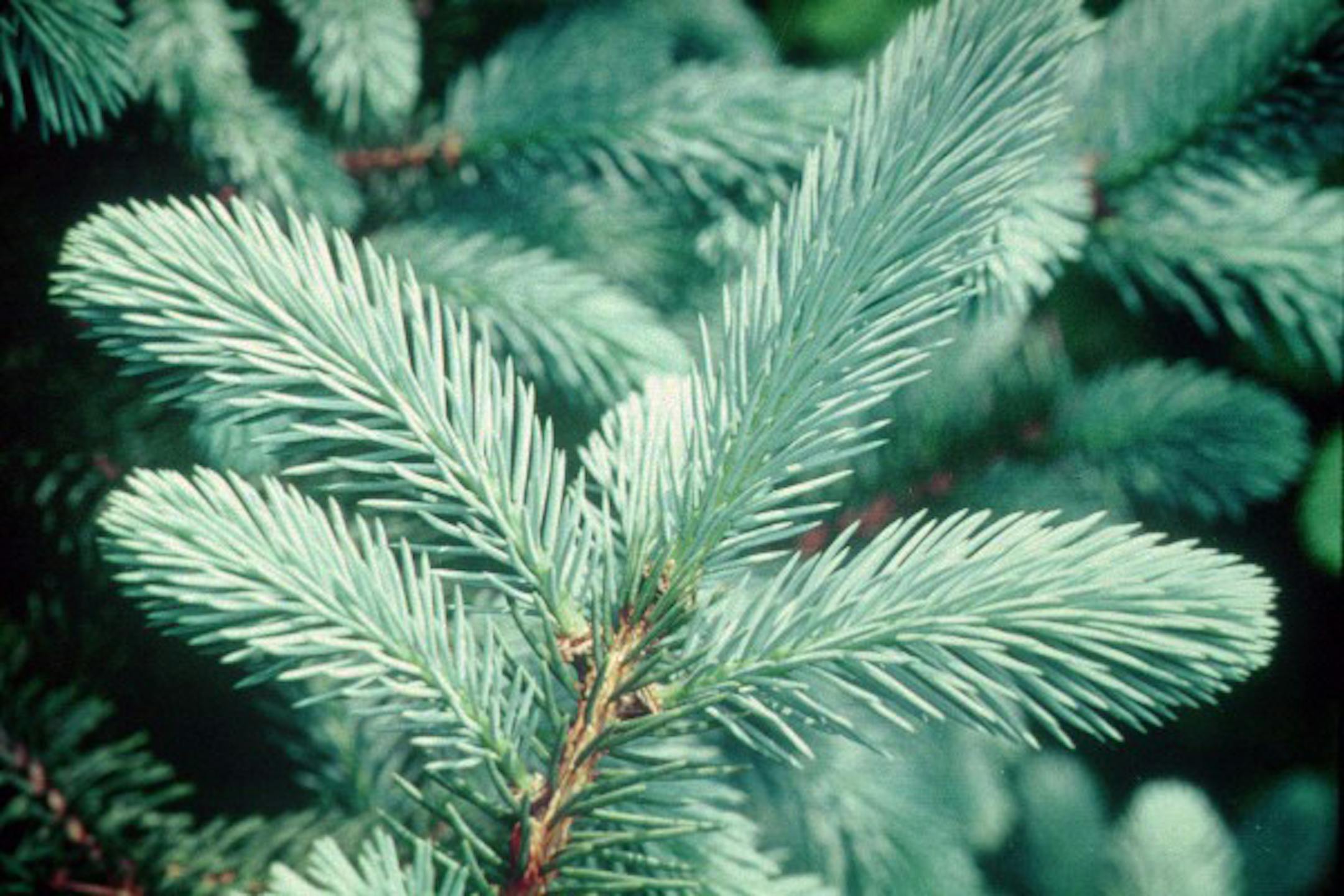
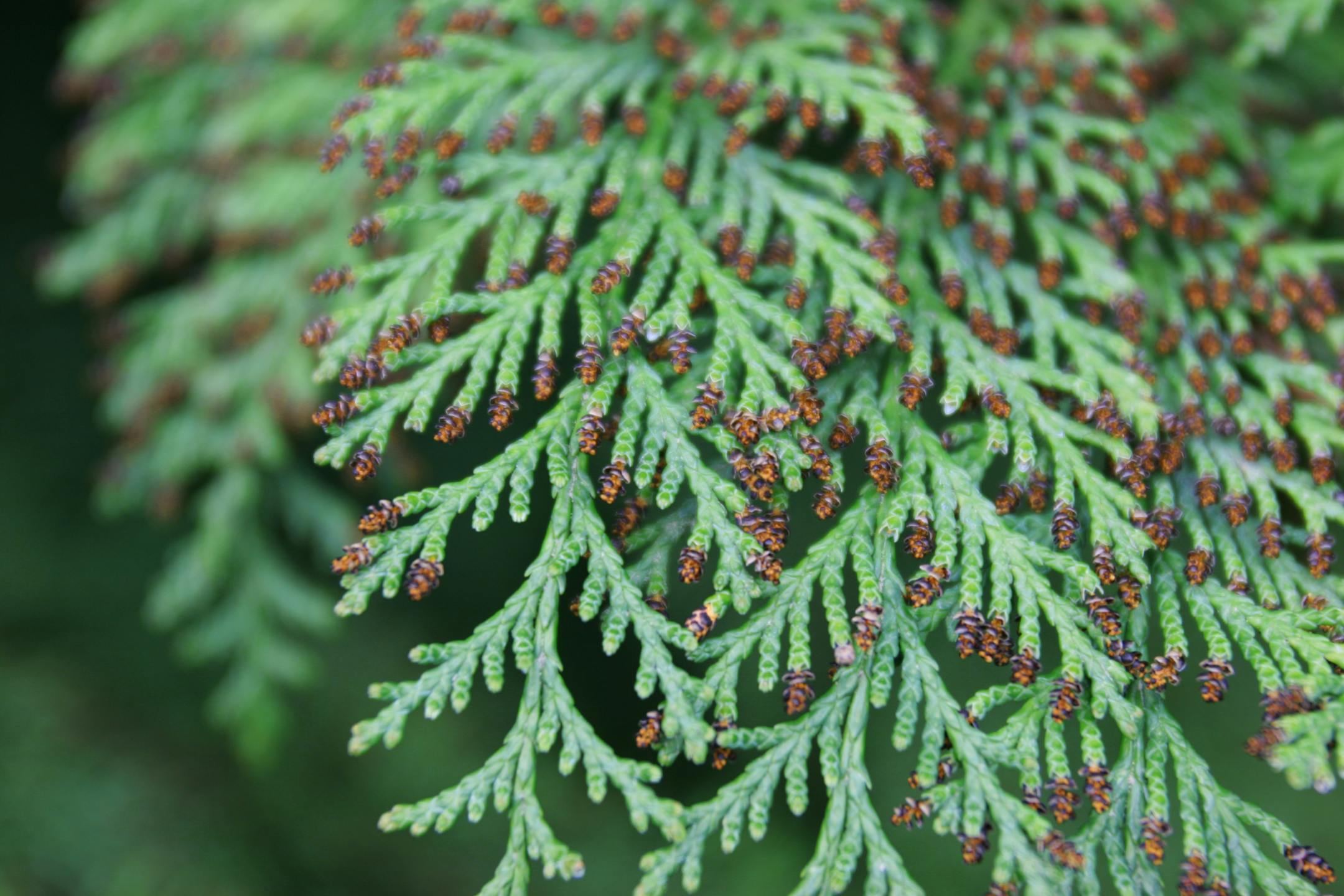
Here's a gallery of the best evergreens for our area.
Pine
(Pinus)
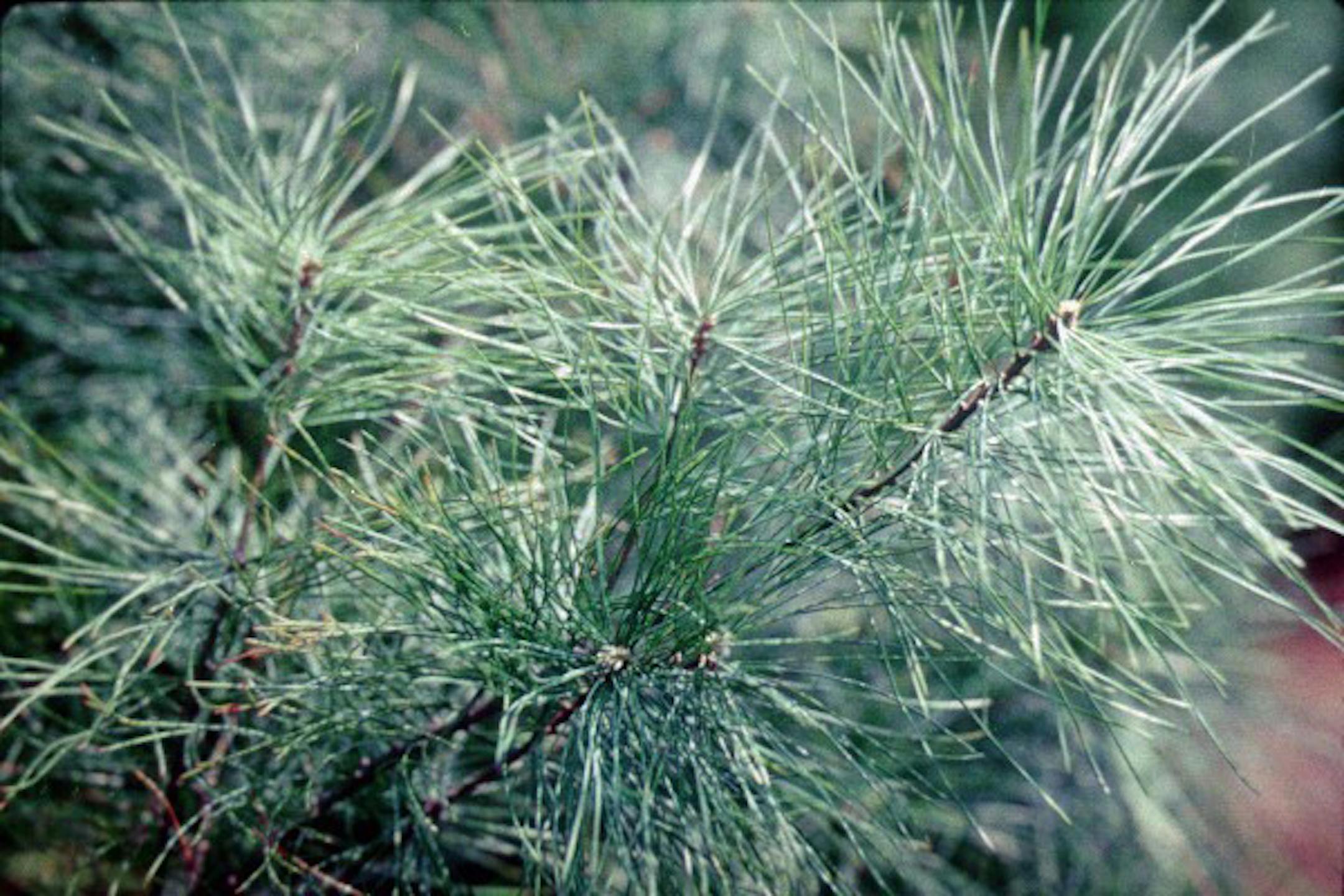
Although they often have a conical shape when young, pines tend to develop a more open, wide-spreading form as they age. And mature pines make wonderful winter accents -- from the majestic, horizontally layered branches of white pine (Pinus strobus), left, to the picturesque form and cinnamon-orange bark of Scots pine (P. sylvestris).