

BRUSSELS — European Union leaders on Thursday welcomed U.S. President Donald Trump's decision to drop his tariff threats over Greenland but expressed reservations about getting involved in his Board of Peace project.
After chairing an emergency summit called to reassess troubled ties with the Trump administration, EU Council President António Costa underlined that the leaders believe ''it's very important to preserve and cherish our transatlantic partnership.''
Striking a measured tone after days of high rhetoric over Trump's threats to annex Greenland, Costa said the priority must now be to put in place the EU-U.S. trade deal agreed last July. ''The goal remains the effective stability of the trade relations,'' he told reporters.
That said, Costa did affirm that the 27-nation trading bloc ''will continue to stand up for its interests and will defend itself, its member states, its citizens and its companies against any form of coercion.''
His remarks contrasted sharply with the more aggressive stance of French President Emmanuel Macron.
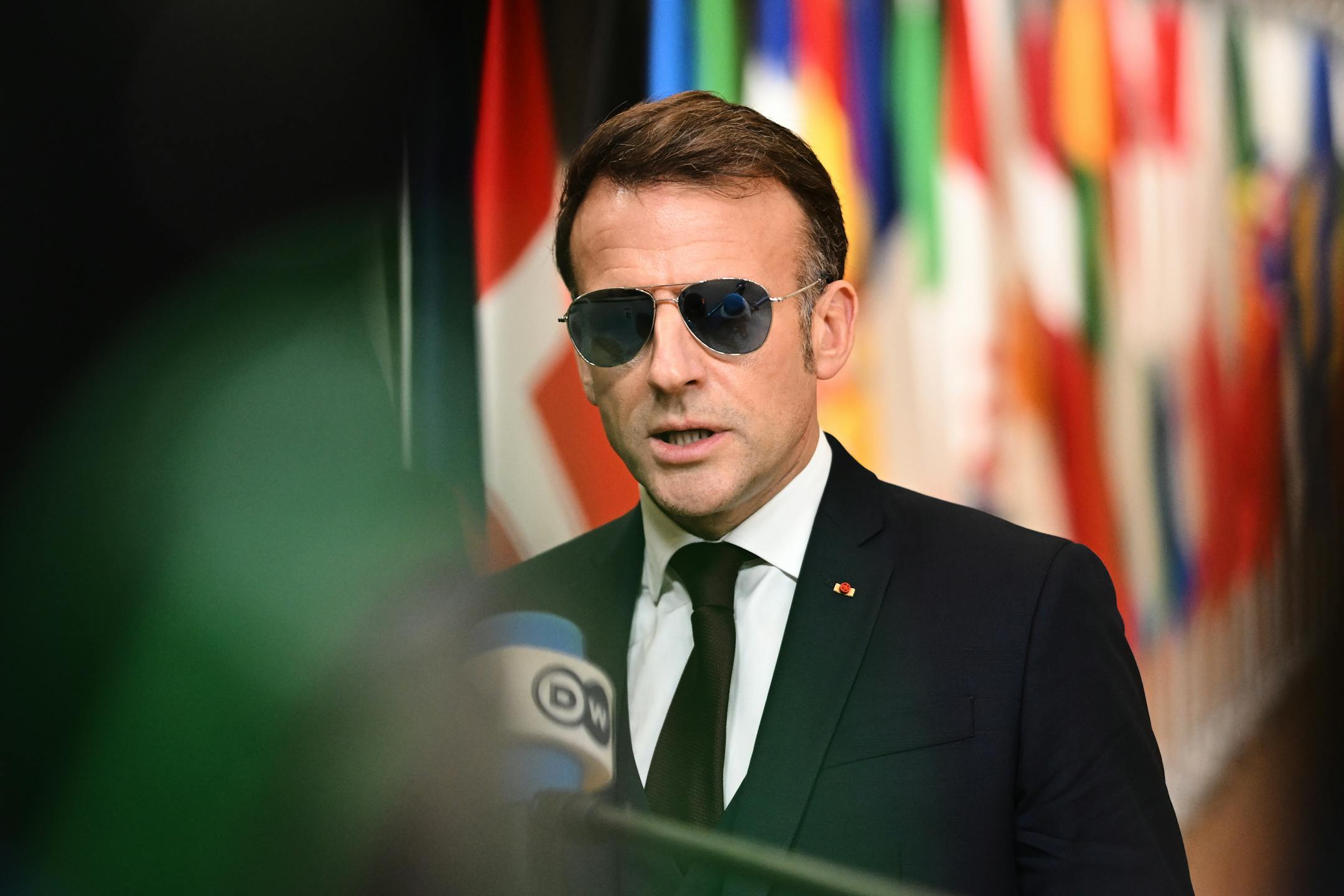
''Europe can make itself be respected, and that's a very good thing,'' Macron told reporters, as he arrived for the meeting in Brussels. ''When we use the tools that we have at our disposal we get respect and that's what happened this week.''
On the eve of the EU meeting, Trump had dramatically backed away from his insistence on ''acquiring'' Greenland, a semiautonomous territory of Denmark. For the first time, he said that he would not use force to seize the island. Trump also dropped his threat of slapping tariffs on European nations that support Denmark.
Yet nothing suggests that the unpredictable U.S. leader won't change his mind again.
