

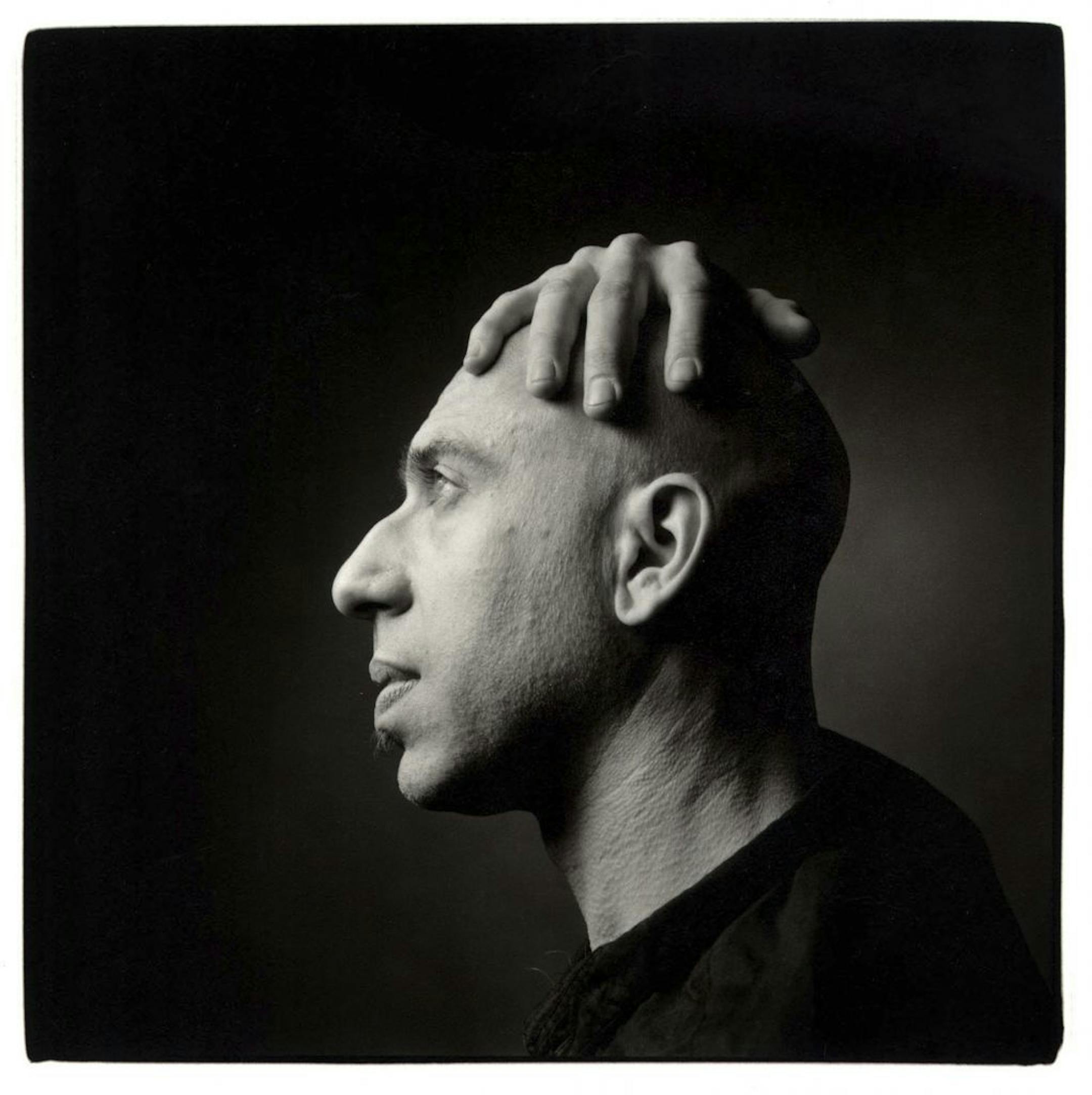
Elliott Sharp does not believe in categories or conventions. It's not that he's trying to be rebellious. He's just very curious -- the kind of tinkerer who built a short-wave radio as a kid -- and smart enough not to be deterred by artificial distinctions.
On Thursday, the 61-year-old composer/guitarist will give a solo performance at Walker Art Center drawing on two CDs he recorded in response to a book, "Warped Passages" by Lisa Randall, that he calls "a compendium of current thought in post-quantum physics and the state of string theory (no pun intended!)."
Sounds like a real crowd-pleaser. And in a way, it is. The opening song sounds like a back-porch picker seized by a melody that spirals and returns like a helix, and gradually acquires a subtle blues texture. "Inverted Fields," played with an electronic bow on the eight strings of his hybrid "guitarbass," woozes and yowls like acrid smoke dissolving into the air.
Sharp's two-disc "Octal" project is obviously quite different from the music he plays in Terraplane, a group that once featured iconic bluesman Hubert Sumlin, or the string quartets, film scores and avant garde "noise music" he creates.
In fact, he's worked with a ridiculous array of musicians, ranging from such rockers as Sonic Youth and singer Debbie Harry, to jazz greats such as Jack DeJohnette, to the legendary Pakistani singer Nusrat Fateh Ali Khan and classical music's groundbreaking Kronos Quartet.
Sweat equity
A film biography, called "Doing the Don't," highlights how pervasive his circle of collaborators has become. Guitar Player magazine listed him in its "Dirty Thirty" of musical trailblazers.
Sharp immersed himself in the New York City scene in the late 1970s after studying music at Cornell, Bard and the University of Buffalo.


