
Early deaths are often mysteries

But "molecular autopsies" may at last provide some answers.

Los Angeles Times
January 3, 2015 at 12:35AM
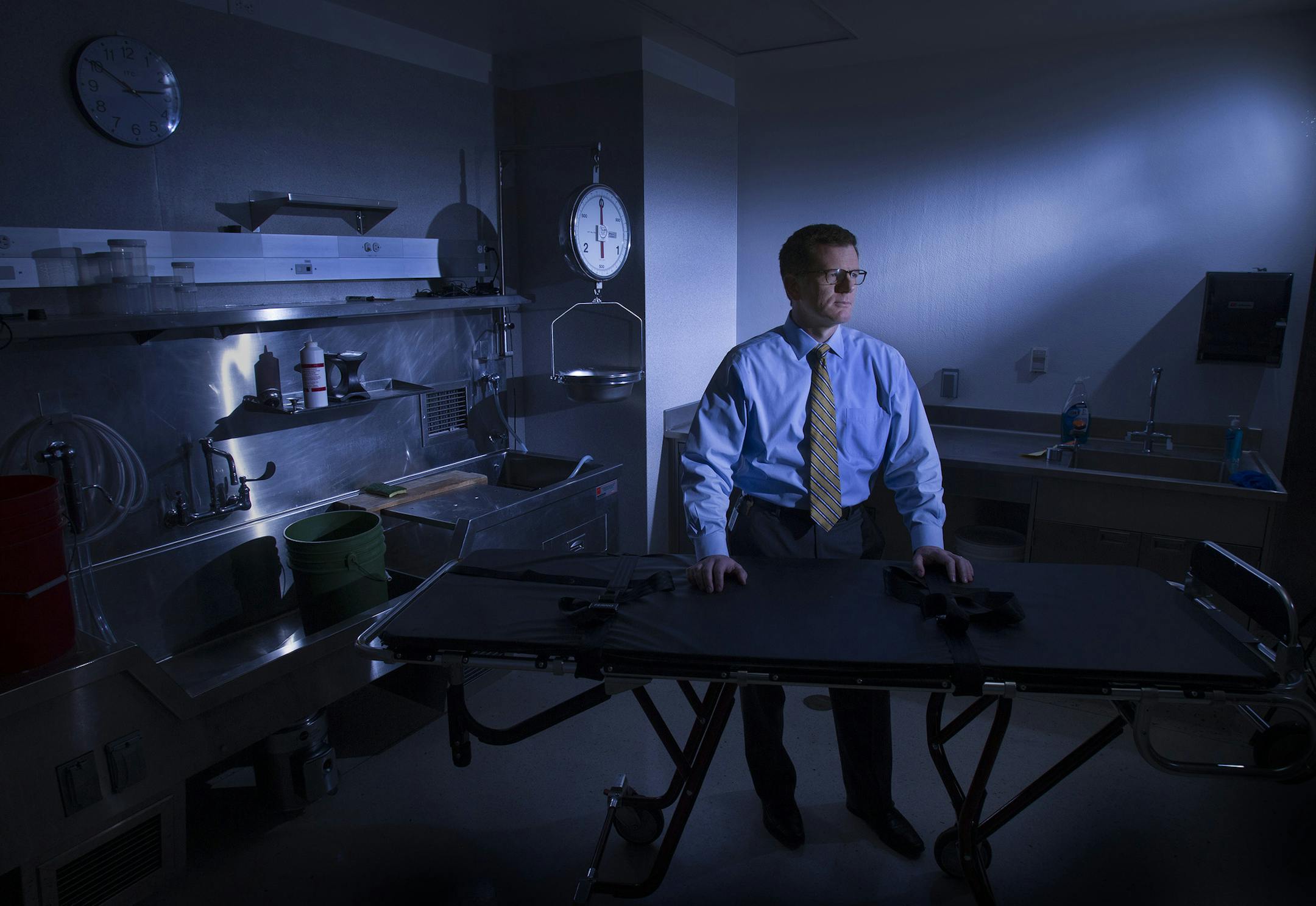
Jonathan Lucas, chief deputy medical examiner with the San Diego County medical examiner's office,in an autopsy exam room where he's now collecting autopsy samples for genome sequencing to reveal causes for some unexplained deaths, on December 8, 2014. (Allen J. Schaben/Los Angeles Times/TNS)
Jonathan Lucas of the San Diego County medical examiner’s office hopes to discover the causes of currently unexplained youthful deaths. (The Minnesota Star Tribune)

Jason Lappies woke up in his San Diego apartment on the morning of June 26. Not needing to report to work right away, he settled onto his couch to watch a World Cup soccer match. He teased his roommate, who had to rush off to a job.

When the friend returned later in the day, Lappies, 31, was still on the couch, positioned exactly as he had been in the morning.

He had died, mysteriously and unexpectedly.

An autopsy left as many questions as it answered. The medical examiner thought Lappies' death probably stemmed from cardiac arrhythmia — an irregular heartbeat — but couldn't determine the underlying cause.

Lappies, an all-star lacrosse player in college, had not been using drugs and didn't suffer from heart disease. He had been planning to leave soon for a repeat stint of teaching English in South Korea, a job he adored.

"No health issues, phenomenal athlete, traveled globally — just as healthy as can be," said his mother, Mary Lappies, of Oceanside, Calif.

Sudden deaths such as Jason Lappies' often go unexplained because standard autopsies cannot detect arrhythmias that cause the heart to stop in otherwise healthy young people. But a new clinical trial being announced Wednesday by the Scripps Translational Science Institute in La Jolla, Calif., may someday provide answers.

By performing "molecular autopsies" — taking tissue samples from sudden-death victims over coming months and sequencing their DNA — the county medical examiner and area researchers hope to ferret out the root cause when a young person dies inexplicably.
Lappies' death is one of five being examined with the permission of family members. The hope is to study 100 deaths over the next three years.

"Someday, the reason why people die suddenly will not be a mystery," said Dr. Eric Topol, director of the Scripps institute, which is heading up the Molecular Autopsy Study. Genomics "can jump in and fill a big hole here."

Nearly 400,000 cardiac arrests occur out of hospitals in the U.S. each year, according to the American Heart Association.

The number of those that are "youthful sudden deaths" — occurring before middle age and before coronary artery disease is more likely to be a trigger — is unclear but believed to be 1,000 to 5,000, said Dr. Michael Ackerman, director of the Mayo Clinic's Windland Smith Rice Sudden Death Genomics Laboratory in Rochester, Minn., and an early proponent of the molecular autopsy approach.

San Diego County has a dozen or more such sudden unexplained deaths in young people each year, according to the medical examiner, whose office investigates the cause and manner of death in mysterious cases, as well as homicides, suicides and accidents. Last year, it conducted 1,955 autopsies.

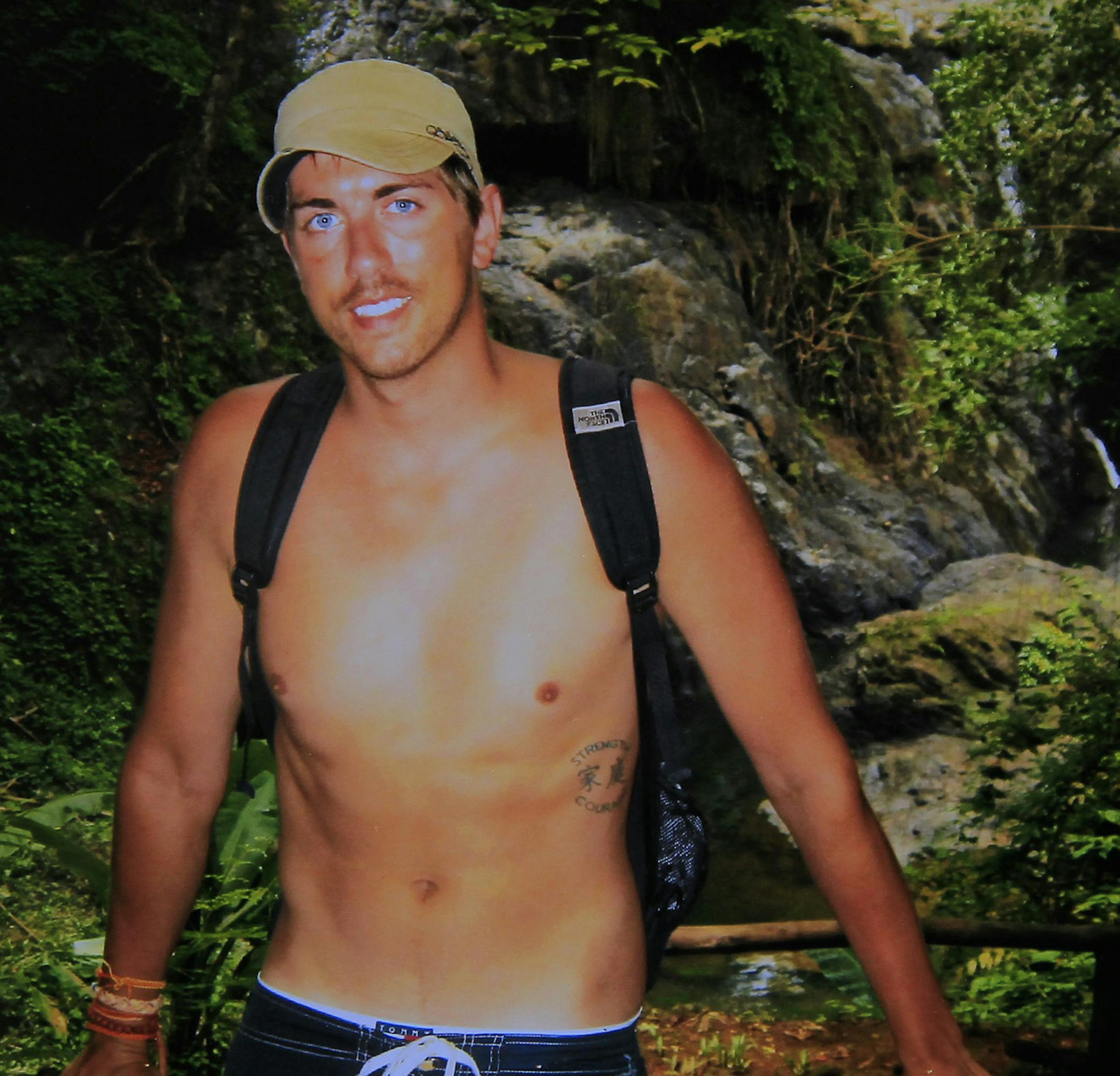
A photo of 31-year-old Jason Lappies, who died suddenly in the summer of 2014. San Diego County medical examiners could not determine why Jason died, but are now sequencing his genome to look for answers. (Allen J. Schaben/Los Angeles Times/TNS)
Jason Lappies was 31, healthy and drug-free when he died. “Someday, the reason why people die suddenly will not be a mystery.” Dr. Eric Topol, director of the Scripps Institute (The Minnesota Star Tribune)
about the writer

about the writer

Eryn Brown

More from Minnesota Star Tribune

See More
card image
J. SCOTT APPLEWHITE, ASSOCIATED PRESS/The Minnesota Star Tribune

The "winners" have all been Turkeys, no matter the honor's name.

In this photo taken Monday, March 6, 2017, in San Francisco, released confidential files by The University of California of a sexual misconduct case, like this one against UC Santa Cruz Latin Studies professor Hector Perla is shown. Perla was accused of raping a student during a wine-tasting outing in June 2015. Some of the files are so heavily redacted that on many pages no words are visible. Perla is one of 113 UC employees found to have violated the system's sexual misconduct policies in rece