SAN MARTIN, EL Salvador — Julia Pérez makes a living selling pupusas, traditional Salvadoran stuffed pastries, to residents of the Altavista neighborhood who rise before dawn and rush to buses bound for their jobs in the capital about 12 miles (20 kilometers) away.
One of her regulars was Óscar Alberto Martínez Ramírez, who would arrive on his motorcycle with his toddler daughter, Valeria, to grab a quick bite or pick up the savory treats to go.
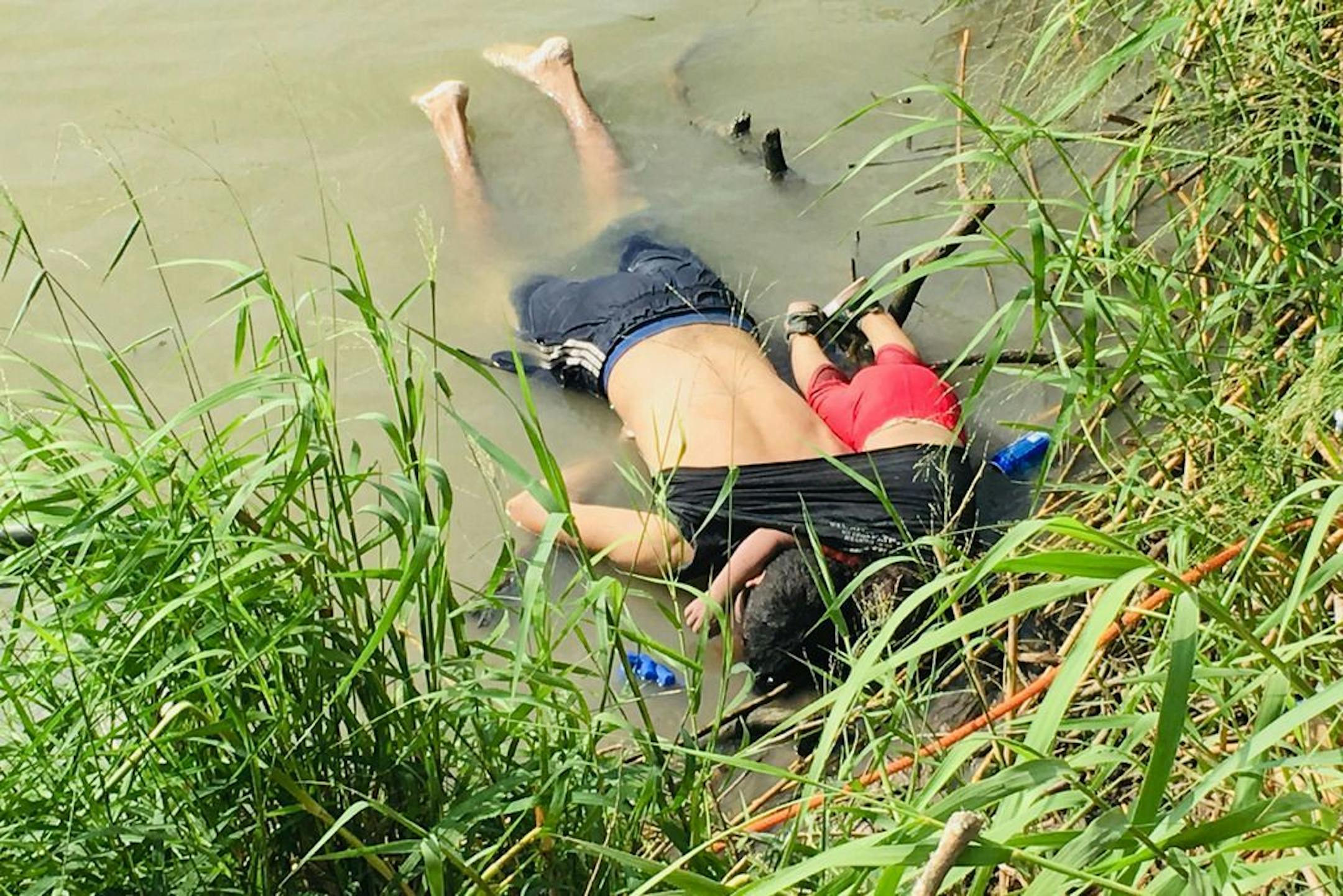
That is until they drowned this week in each other's arms while trying to cross the Rio Grande into Texas, a tragedy captured in a heartbreaking photograph that has prompted an outpouring of grief from around the globe.
"It shocked me. I broke out in tears when I found out," Pérez said. "I saw the images and I didn't know it was them, how sad to see that. Later I learned it was little Oscar and Valeria."
The neighborhood left behind by Martínez and his family is a humble bedroom community where many people commute to nearby San Salvador, leaving behind only the elderly and the very young during the day. The notorious 18th Street gang is present there, though residents say violence and extortion has eased.
But there's still poverty and a lack of jobs, and a local priest estimates that a third his parishioners have left the country since 2015, risking the dangerous trek north toward the United States.
"This reality of migration is not an unknown thing to us in Altavista," the Rev. Manuel Lozano said. "We all have lots of people who have left. ... We would rather that nobody put themselves in danger, but people continue to tell us, 'I have to leave, I have to go.'"
"I have seen entire families leave," Lozano said. "The most recent was 14 people, a single family, that emigrated to the United States, and then the young people, many are leaving and the great majority exposing themselves to danger."