

Stacey Hoffman always watches the doctor's hands. At a recent appointment, she studied her family physician as he squirted sanitizer into his palms. Only then did they shake hands. After the exam, the Maple Grove woman saw him "foam out" before leaving the room to see other patients. "If you see them do it, then I feel better about it," she said.
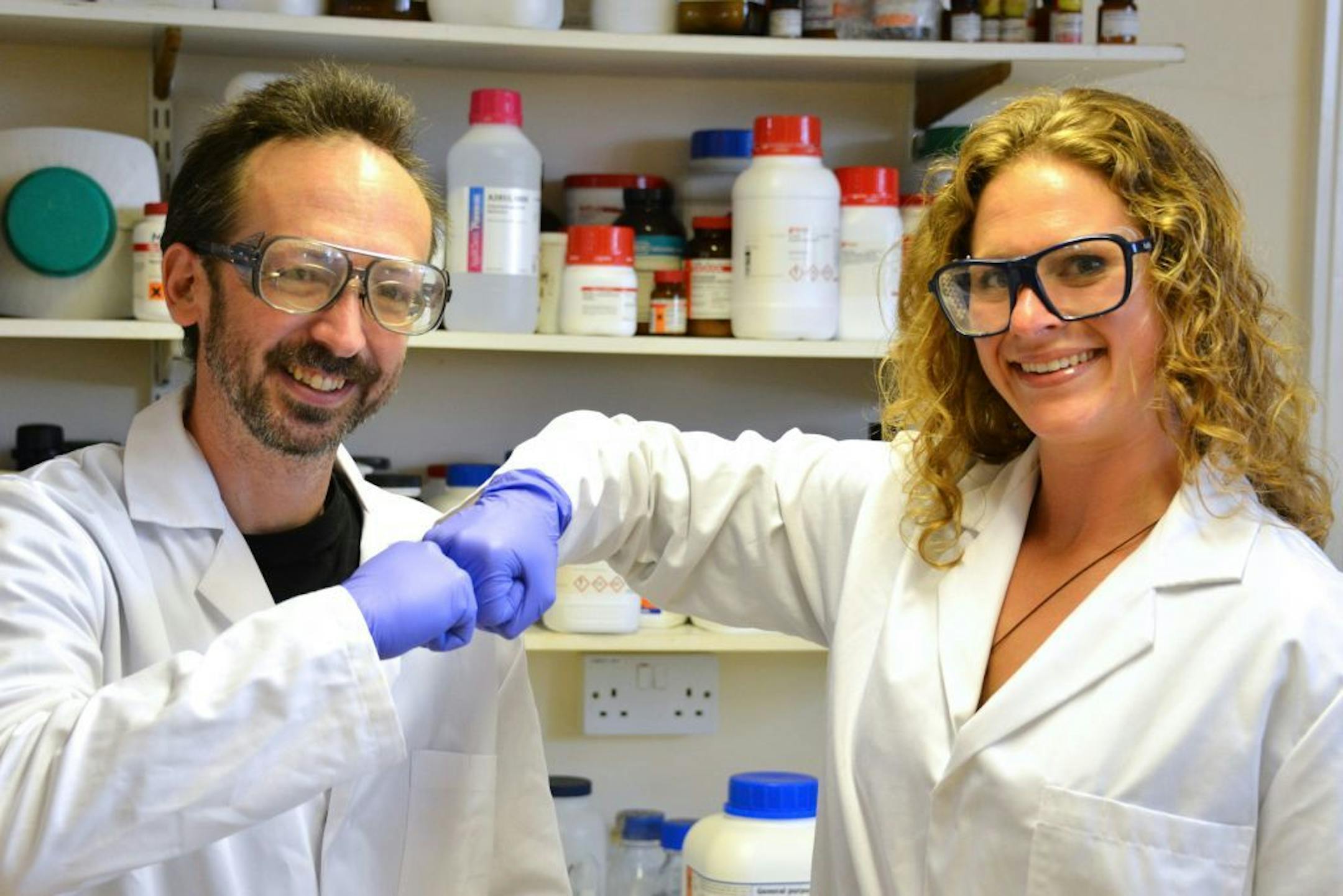
Diligent attention to hand hygiene isn't a given in every medical setting. That's why one California doctor is calling on hospitals and clinics to establish "handshake-free zones" to stop the spread of germs.
"We're here to get patients well, not give them warm fuzzies," said Dr. Mark Sklansky, a pediatric cardiologist and professor at the University of California, Los Angeles.
His case against the handshake — that time-honored greeting used to seal a deal or to convey warmth — has touched off a lively debate among doctors since appearing this summer in the Journal of the American Medical Association.
The notion of outlawing the doctor-patient handshake pits two values sacred to the medical profession against each other: do no harm vs. compassionate care. Many doctors say banning this small yet meaningful connection would erode the human touch central to the medical practice.
"It's a really important part of being a caregiver," said Dr. Robert Quickel, a surgeon at Hennepin County Medical Center in downtown Minneapolis.
But there's no shaking it: Our germ-carrying palms are under fire.
Sanitizer dispensers are ever-present in the corridors of HCMC, with signs reminding staff and visitors to "always foam in and foam out." At Park Nicollet Clinic, surveys ask patients to report if doctors and nurses did not clean their hands in the exam room. And while there may be no handshake-free zones at Twin Cities area hospitals, there are doctors who make a point not to shake hands.


