

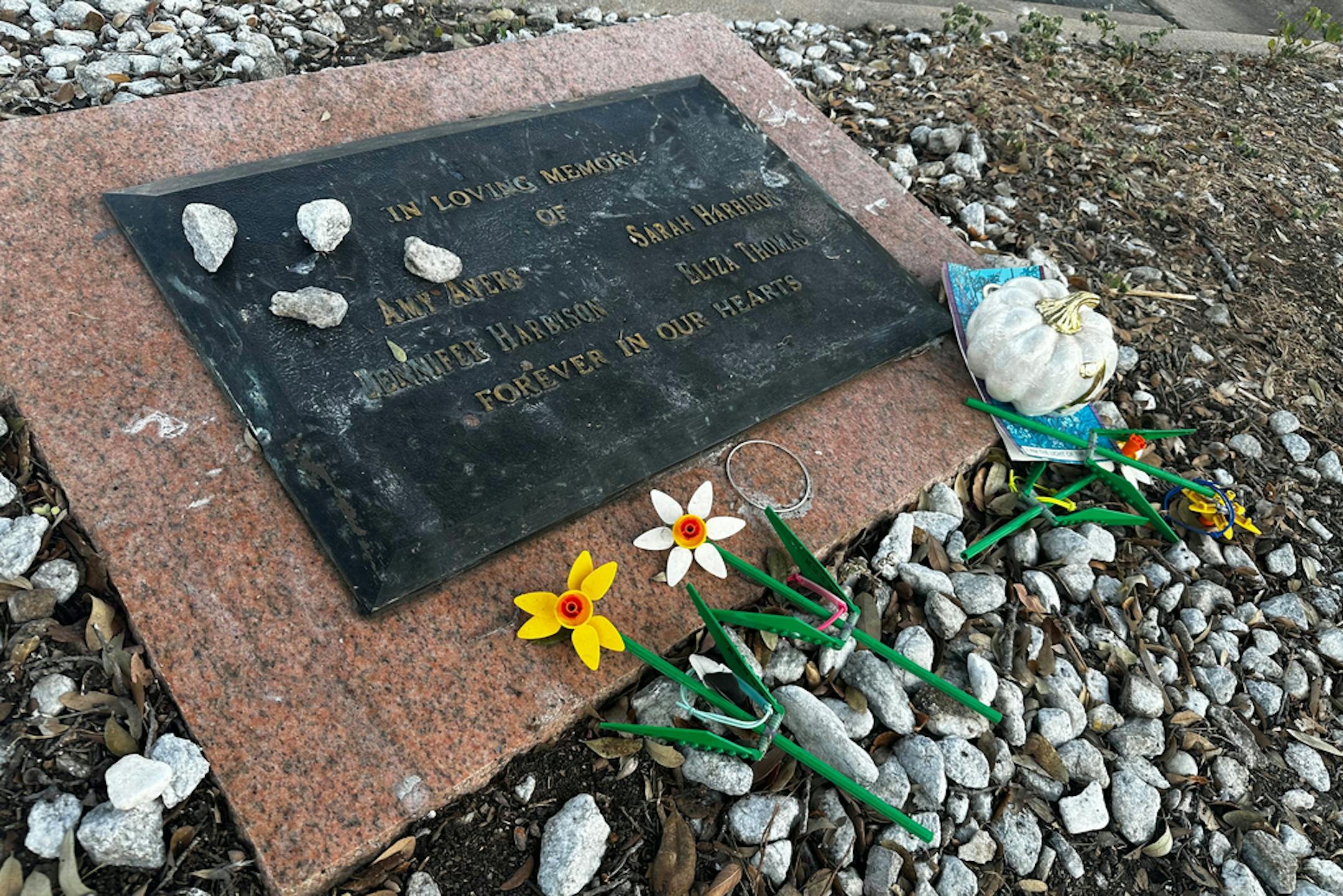
A “significant breakthrough” involving DNA evidence has led investigators to identify a suspect in a cold case from almost 34 years ago in which four teenage girls were bound, shot and then burned in a fire at a yogurt shop in Texas, police announced Friday.
Austin Police said a “wide range of DNA testing” has linked Robert Eugene Brashers to the 1991 killings of Amy Ayers, who was 13 at the time; Eliza Thomas, who was 17; and sisters, Jennifer and Sarah Harbison, who were 17 and 15 years old respectively.
Brashers had an extensive criminal history and died after shooting himself at age 40 in 1999, according to the Missouri State Highway Patrol, which had connected Brashers to a series of cases around the country.
In Austin, the four girls were killed at an I Can’t Believe It’s Yogurt shop on Dec. 6, 1991. Jennifer Harbison and Eliza Thomas worked at the shop and were closing up for the night, the Post reported at the time. Sarah Harbison and her best friend, Amy Ayers, had stopped by for a ride home.
Police had initially described the incident as an attempted robbery gone awry — the suspect had left with only $50 from the cash register — and said it was unlikely but not impossible that the girls were sexually assaulted. Each of them had been bound and shot, and the fire, which was so hot that it melted Jennifer Harbison’s crucifix and ring, had burned three of the four girls beyond recognition.
Their deaths sent shock waves through the community and led to intense community pressure on authorities to solve it. Police created a task force to investigate the murders, and throughout the years, identified and pursued a number of possible suspects.
In 1999, four people were arrested including Robert Springsteen and Michael Scott, who were teenagers at the time of the murders. They initially confessed and implicated each other, according to the Associated Press, but both men later recanted and said their statements were made under pressure. They were tried and convicted; however, their convictions were overturned and they were released from custody in 2009 after prosecutors said advances in DNA testing had revealed another male suspect.
The case has also been the subject of a documentary miniseries, “The Yogurt Shop Murders,” that premiered on HBO in August.
