
Divide and collaborate to solve Third Precinct puzzle

We have an opportunity to listen to each other and try new ideas based on a common vision for better safety.

October 29, 2023 at 11:00PM
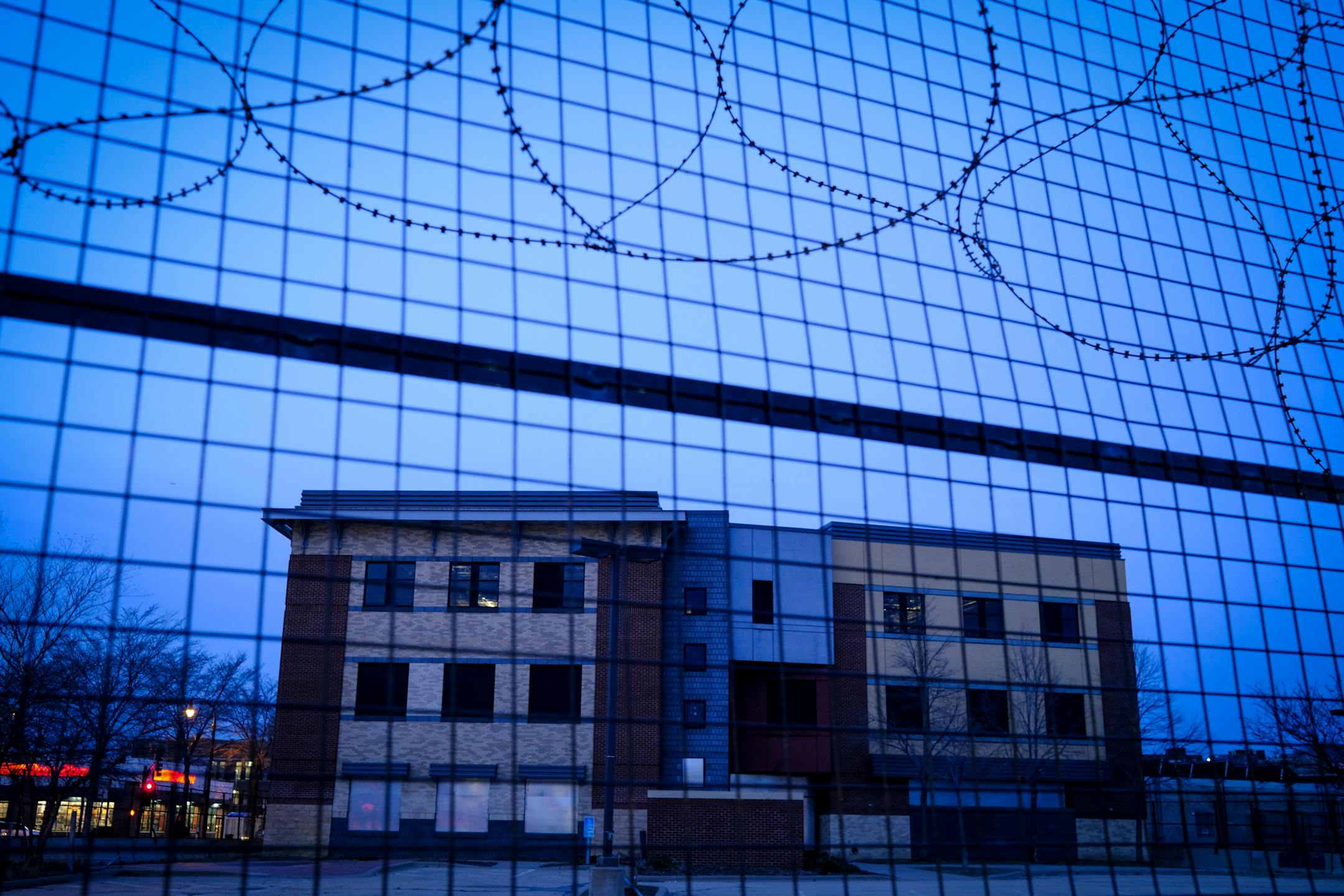
The Minneapolis Police Third Precinct building photographed Tuesday, April 18, 2023, in Minneapolis, Minn.. (Aaron Lavinsky, Star Tribune file/The Minnesota Star Tribune)

Opinion editor's note: Star Tribune Opinion publishes a mix of national and local commentaries online and in print each day. To contribute, click here.

•••

We are divided on how to provide public safety services in Minneapolis. This is exemplified by how hard it has been to find an acceptable workspace for police officers serving the Third Precinct area of south Minneapolis.

Overreaching, wearing blinders and digging in our heels isn't working. Courage, creativity and compromise might.

The problem of finding workspace for South Side city safety staff offers us an opportunity to push ourselves, listen to each other and try new ideas based on a common vision for better safety.

After serving the community as an elected official, participating actively in early efforts to rehouse our staff, and listening to people with heels planted in separate places and arms outstretched toward different stars, I humbly offer the following.

First, I believe that we should let go of the old concept of a large fortresslike police station on a major commercial corridor. Smaller, more human-scaled safety centers, substations and "cop shops" offer a model of how more convenient, individualized and neighborhood-friendly safety services could be offered.

Next, instead of having one large station, let's break up the Third Precinct (which is the city's largest) into four parts and provide a workspace for officers in each. These could match the already defined sectors of the precinct. Using 2019 staffing numbers, when 129 officers covered all shifts from the large southside station, there would be roughly 32 working out of each facility. Using 2019 numbers, there would be about seven patrol officers for each shift. In 2023, given current staffing levels, the number would likely be lower.

Third, take the time and do the work to repair relationships. Within each area, allow city government to support and join formal community-led restorative justice processes of reconciliation that all employees who will be working out of the buildings will participate in along with community members. Invite the community to participate, along with officers, in a program of implicit-bias assessment and anti-bias, antiracism training with the other employees who will office in or otherwise use the building.

Finally, use these new facilities as pilots. Let the community participate in their design and operations. Be open-minded. Establish criteria and then empower the community, with city staff and policymaker support and input, to develop unique pilots for each area.

One might be a modified safety center like the one that is overdue to be reopened at Chicago and Lake Street. One might be merged with a local fire station in the area. One might be a holistic community resource center with public health workers, a neighborhood group office, 311 operators, crisis responders, violence interrupters and outreach workers, as well as housing, fire and business licensing inspectors.

For each pilot facility, the city could offer Civil Rights Department and Police Oversight Commission services to develop localized programs for community oversight of city employees operating out of the building. Each pilot could direct some safety resources and operations through the establishment of a community safety coordination team. The teams could be composed of community members from the neighborhood organizations and business associations in the area as well as staff from the various city and county departments including law-enforcement staff, who will be working there.

If creating four new pilots is too far a stretch, let's start with three or two or even one.

Let us look for the sector where residents are more receptive, motivated and prepared, and start there. I suspect it will be a valuable learning experience for all of us.

I believe that the people of Minneapolis, including those who work here as city employees, are willing and ready to explore innovative alternative approaches to community safety and crime prevention.

Let's use the problem of finding a place for this group of city workers to take the next steps together.

Cam Gordon is a former Minneapolis City Council member for the Second Ward.

about the writer

about the writer

Cam Gordon

More from Commentaries

See More
card image
The Associated Press

As someone who saw the before and after of the vaccine, I ask that Robert F. Kennedy Jr. extend the liberty from disease to today’s kids.

card image
card image