
Digging In: Plants that have passed the test

Next year's crop of award-winning plants have already been named. We give you a sneak peek plus inside information on how they performed on our home turf.

November 25, 2009 at 12:01AM
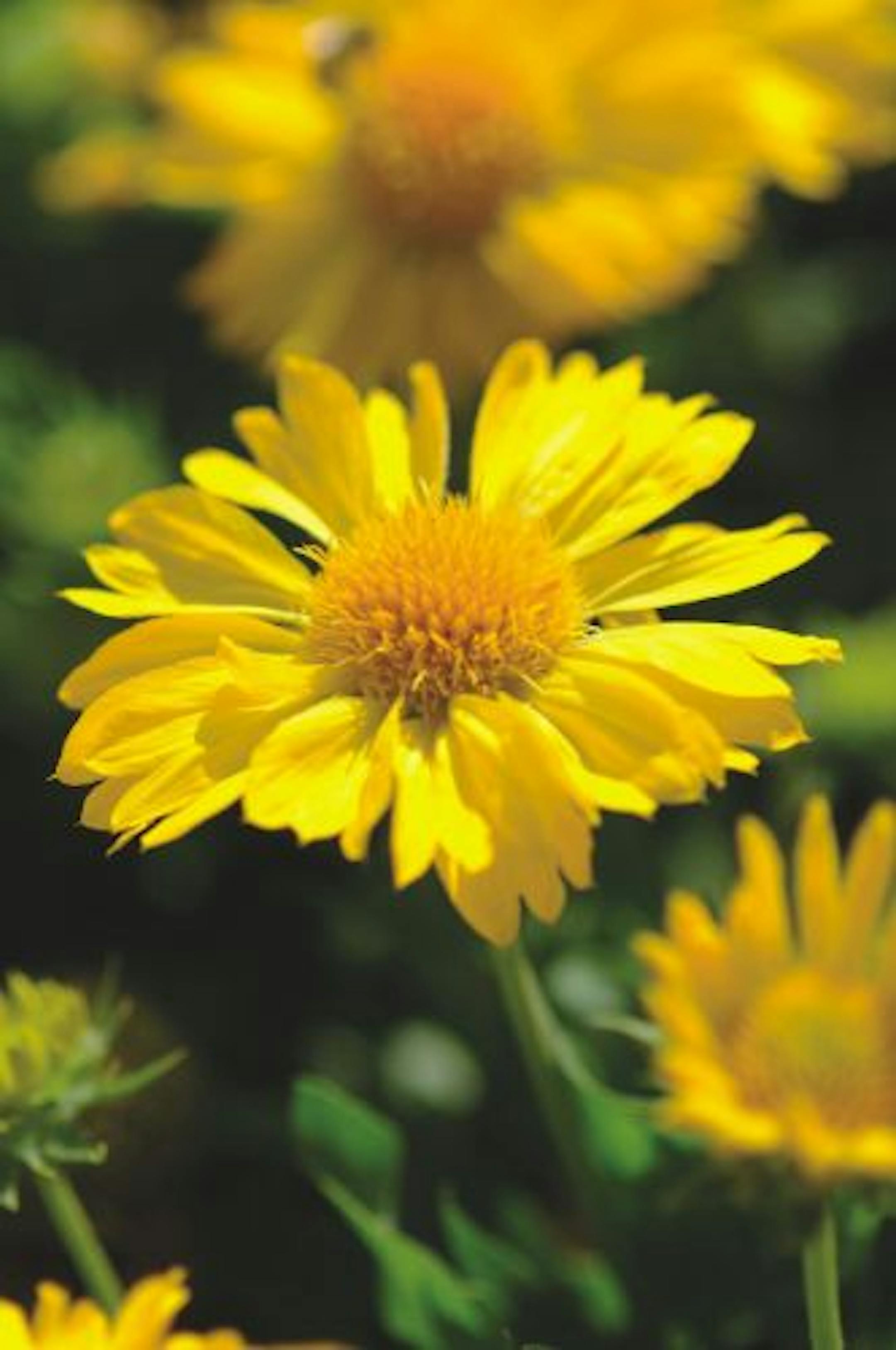
credit: All-America Selections Gaillardia 'Mesa Yellow� won the 2010 AAS award for its compact form and upright, 3-inch yellow flowers
Gaillardia 'Mesa Yellow' won the 2010 AAS award for its compact form and upright, 3-inch yellow flowers. (Star Tribune/The Minnesota Star Tribune)

There are so many new plants introduced every year that it can be hard to decide which ones to try.

All-America Selections (AAS) can help.

For more than 75 years, this independent testing organization has been evaluating new flowers and vegetables and awarding those that are superior performers.

Here's how it works: Plant breeders and seed companies enter the cream of their new crops in the AAS annual trials. The plants are grown at 45 locations throughout the United States and Canada. Flowers are evaluated on color and form, length of flowering, disease and insect resistance, fragrance and overall ornamental form. Only the highest-scoring plants receive the AAS award.

While helpful to gardeners across the country, AAS isn't foolproof. Plants are evaluated for only one year, and the trial locations are in diverse climates, many of which bear little resemblance to Minnesota's growing conditions. And not all winners turn out to be top sellers year after year. Some, such as the 1992 winner, Lady in Red salvia, become favorites. (That brilliant red salvia is tough, easy to grow and is a magnet for butterflies and hummingbirds.) Others are little more than novelties. Still, the AAS winners are worth considering for your garden, because they've passed the test of strict judges.

Minnesota has no trial gardens where new entries are judged. But we do have five display gardens where you can see current and past winners and get a look at the plants in the running for the coming year. The display gardens are at the Minnesota Landscape Arboretum, Lyndale Park (near Lake Harriet in Minneapolis), the Horticultural Science Display and Trial Garden on the St. Paul campus of the University of Minnesota and research centers in Grand Rapids and Morris.

The awards for 2010 are already in. We took a look at the four flowers that won awards and how they grew in Minnesota this past summer. Look for these award-winning plants at your favorite garden center in spring.

Mesa Yellow gaillardia It's too bad that gaillardia, or blanket flower, is so little known and grown. With its bold flowers that bloom all summer long, this native plant is a showstopper. Mesa Yellow won this year's AAS award for its compact form and upright, 3-inch yellow flowers. And this drought-tolerant plant was one of the top 10 annuals in the St. Paul display gardens, where it garnered praise for its profuse blooms and uniform appearance.

If you grow it: Plant Mesa Yellow in full sun. Although it is more compact than other forms of blanket flower, it reaches a height of 14 to 18 inches, so plants should be spaced about a foot apart.

Twinny Peach snapdragon A snappy looking snapdragon, Twinny Peach grows to just 12 inches tall, but it packs a flowery punch. Instead of the traditional "snap" flower, it has double flowers with peach, yellow and pink ruffles. It was awarded the 2010 Bedding Plant award for its short stature and showy flowers. In Minnesota, not all of the plants we grew bloomed profusely, but the unique shape and colors of the flowers made this plant a favorite among the growers.

If you grow it: This plant has good cold tolerance, so it can be planted early in spring. It should also withstand fall frosts.

Endurio Sky Blue Martien viola This tiny flower with the not-so-tiny name was selected as an AAS Cool Season Award Winner because of its ability to bloom early in spring after a fall planting. It can be planted in fall in Minnesota, but the plants are somewhat spindly by spring. This viola grows about 6 inches tall and spreads to 12 inches wide, making a dense mat of small, sky blue, tough-as-nails flowers.

If you grow it: Plant it as soon as soil has thawed in spring for flowers from May to June.

Zahara Starlight Rose zinnia This zinnia has beautiful pink and white flowers, but it has more to recommend it than just flashy bi-colors: It's also resistant to powdery mildew, a common problem with zinnias. This zinnia, which grows 16 to 17 inches tall, has an old-fashioned flower. It's great for hot, sunny locations because of its heat and drought tolerance. In Minnesota, it did best at the display gardens in Morris, where the summer was warmer and drier than in the other display gardens statewide.

If you grow it: Like most zinnias, Zahara is easy to grow from seed or plants. Plant it in full sun and well-drained soil.

Mary Hockenberry Meyer is a professor and Extension Horticulturist with the University of Minnesota.

about the writer

about the writer

Mary Hockenberry Meyer

More from Minnesota Star Tribune

See More
card image
J. SCOTT APPLEWHITE, ASSOCIATED PRESS/The Minnesota Star Tribune

The "winners" have all been Turkeys, no matter the honor's name.

In this photo taken Monday, March 6, 2017, in San Francisco, released confidential files by The University of California of a sexual misconduct case, like this one against UC Santa Cruz Latin Studies professor Hector Perla is shown. Perla was accused of raping a student during a wine-tasting outing in June 2015. Some of the files are so heavily redacted that on many pages no words are visible. Perla is one of 113 UC employees found to have violated the system's sexual misconduct policies in rece