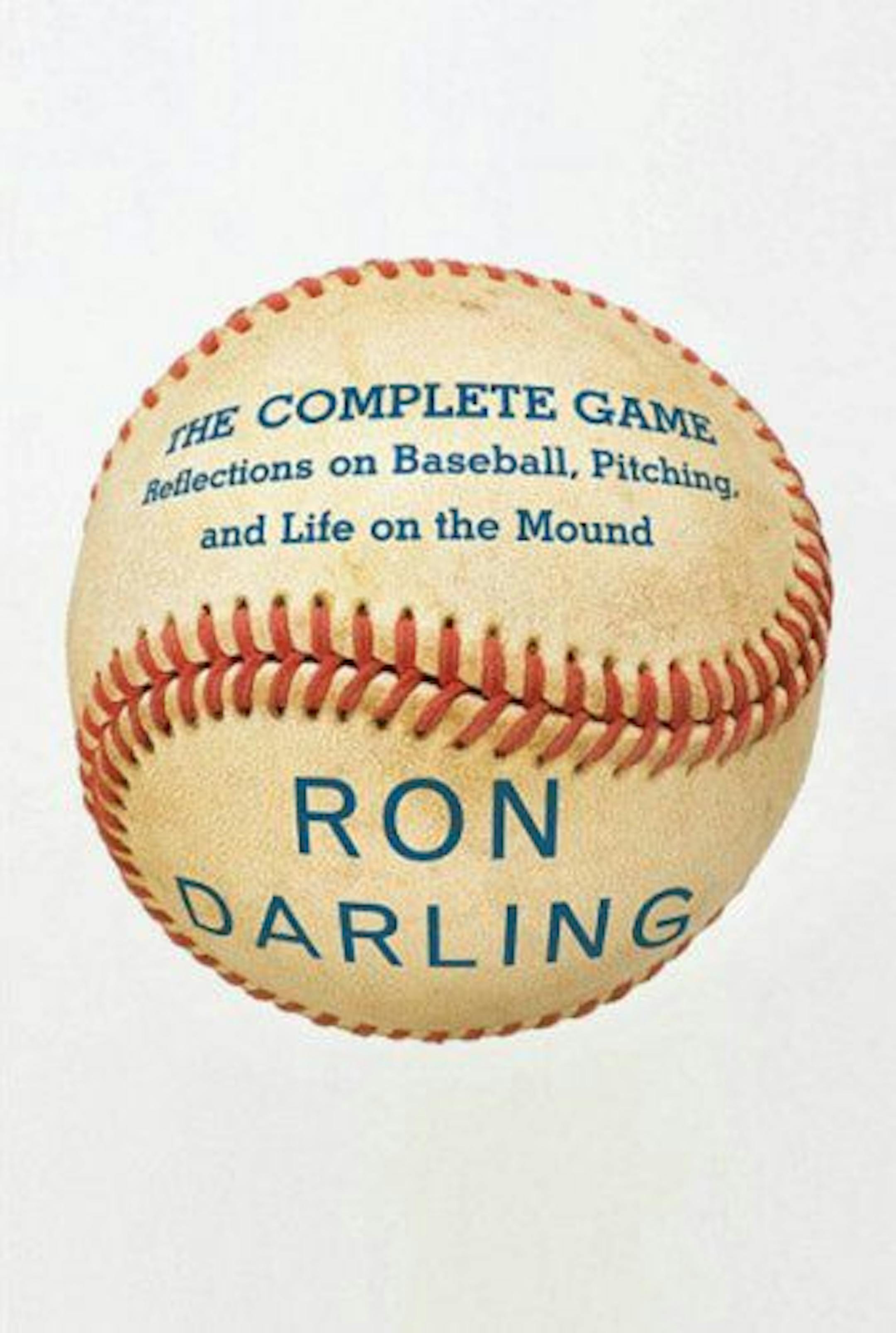
We fans see baseball as a mental contest as well as an athletic one: The pitcher choosing a fastball or curveball. The batter sizing up the pitcher. The fielders shading left or right. Now we can get deeper into the mind game with books that get inside the heads of a big-league pitcher, an aspiring umpire and a diehard Yankees fan. Two others spin baseball history. All are a good way to get in shape as the new season takes shape before us, and each serves up a taste of Twins players present or past.
"The Complete Game: Reflections on Baseball, Pitching and Life on the Mound," by Ron Darling (Alfred A. Knopf, 258 pages, $24.95).
In this part memoir, part training manual, All-Star pitcher Darling recalls his teachable moments with the New York Mets and the teams that rounded out his 1983-1995 career. The observations can seem surprisingly simple, as in, "You mess around until you find your pitch, or until it finds you." Or surprisingly complicated, like the "strategy" for throwing at batters.
Darling went from college phenom to disappointing rookie, who didn't start winning until he unlearned what the Texas Rangers taught him. He prospered by combining his intensity with the skills he picked up working out of trouble.
The story unfolds not in chronological order, but in the big moments that Darling lived on the mound and later observed from the press box. He draws on compelling memories from the day of his first start to the conversation with Oakland manager Tony La Russa that ended his career on his 35th birthday. It's an insightful story for anyone who loves the game, particularly for young players.
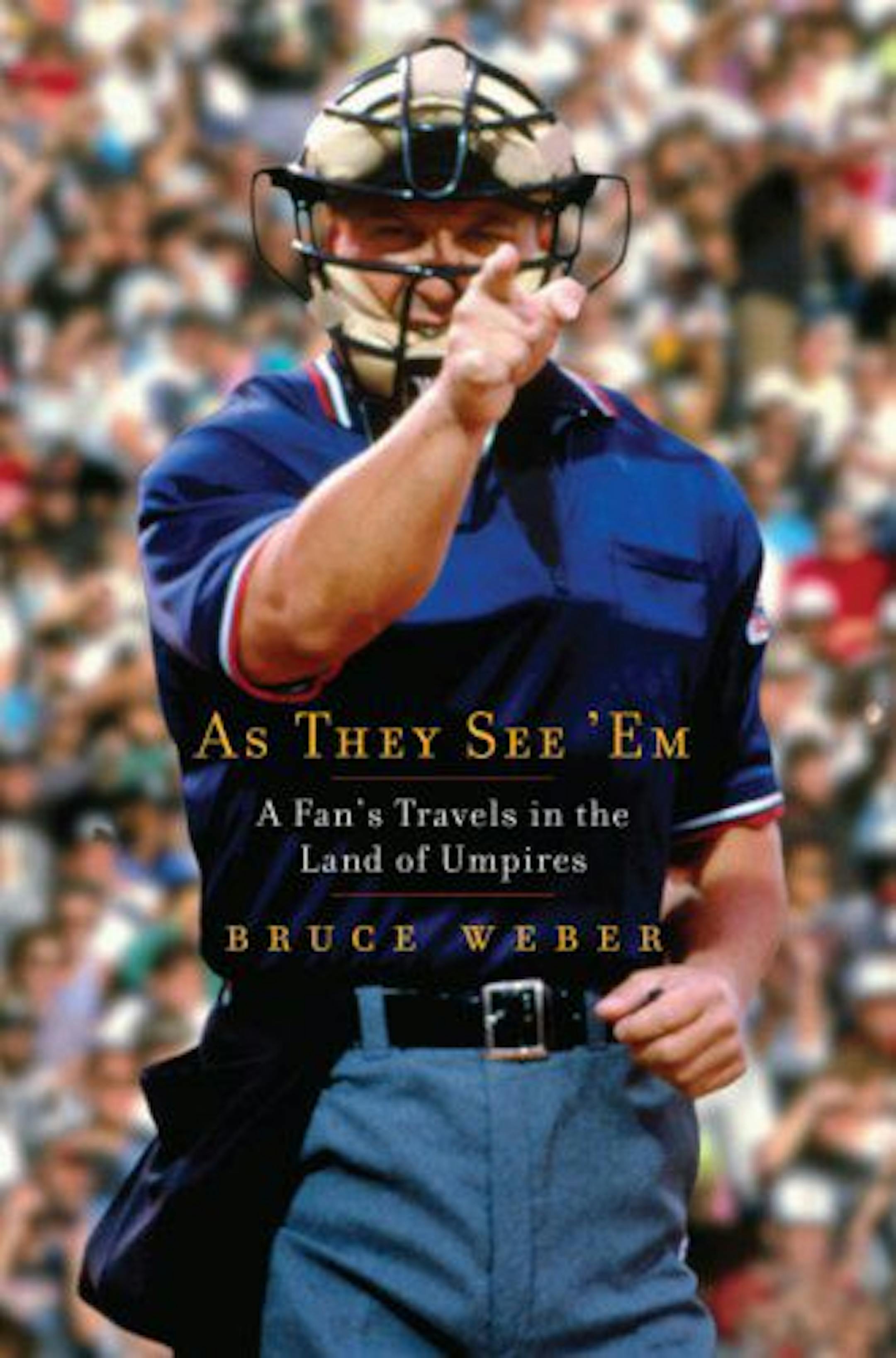
"As They See 'Em: A Fan's Travels in the Land of Umpires," by Bruce Weber (Scribner, 340 pages, $26).
When the manager trots out to argue a call, walk onto the infield grass. That way he can't kick dirt on your shoes. When he gets in your face, keep the bill of your cap under the bill of his. That way he can't "beak" you. When he says the magic word, toss him.
New York Times reporter Bruce Weber learned these tricks as he trained with umpires chasing the dream of calling games in the major leagues. He traveled with young men who put themselves through the motel hell of the rookie leagues, knowing that their odds of success are 100 to 1.