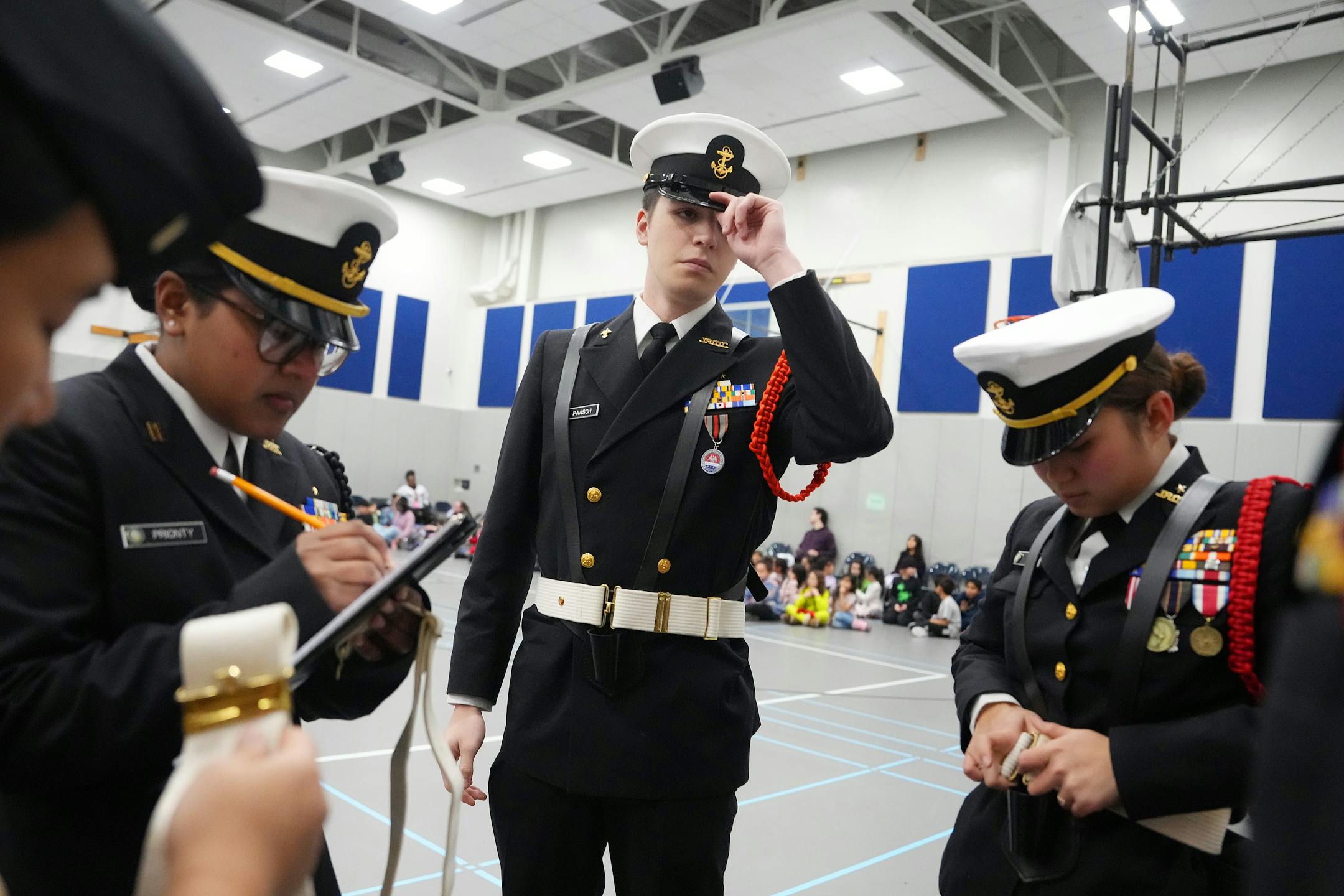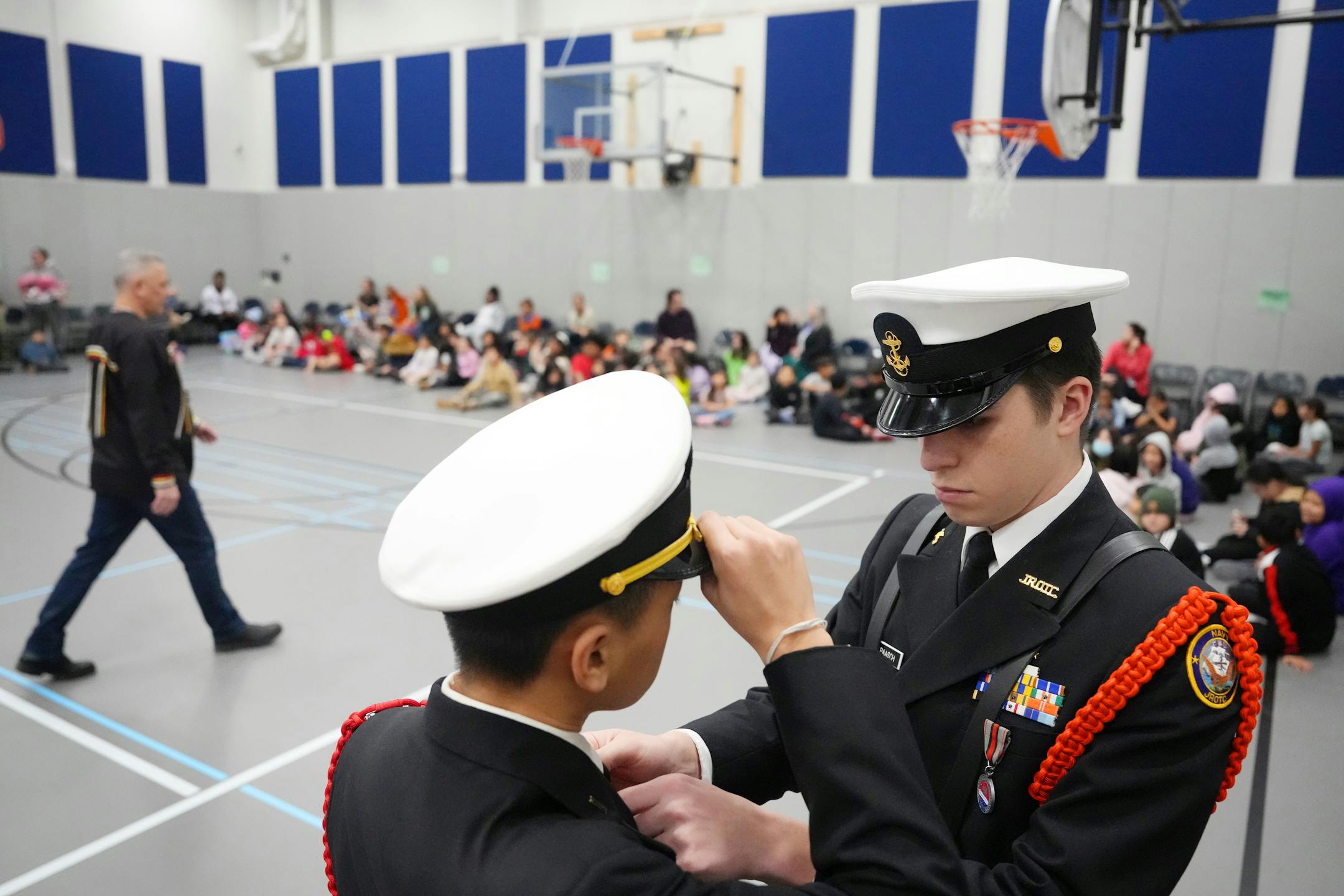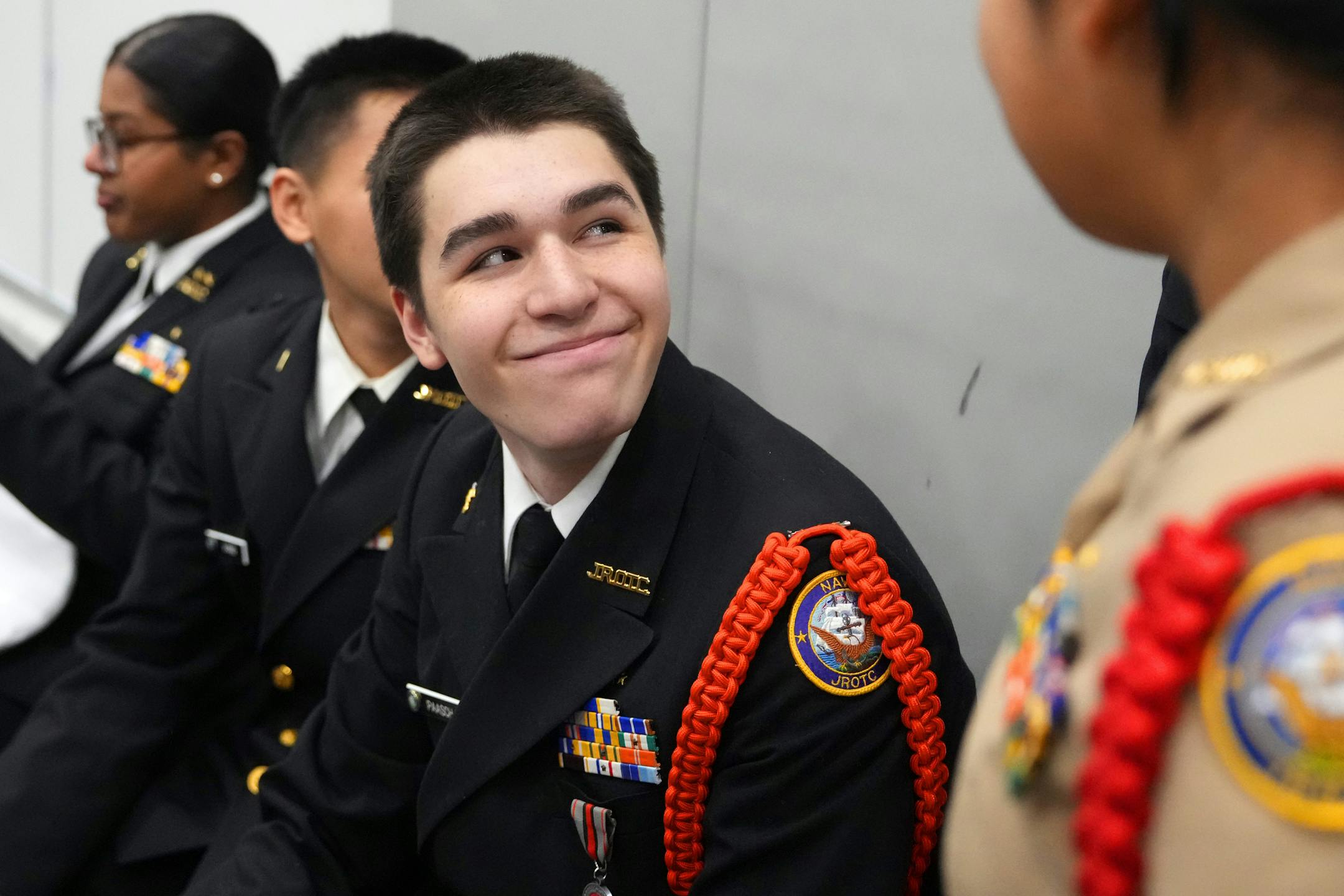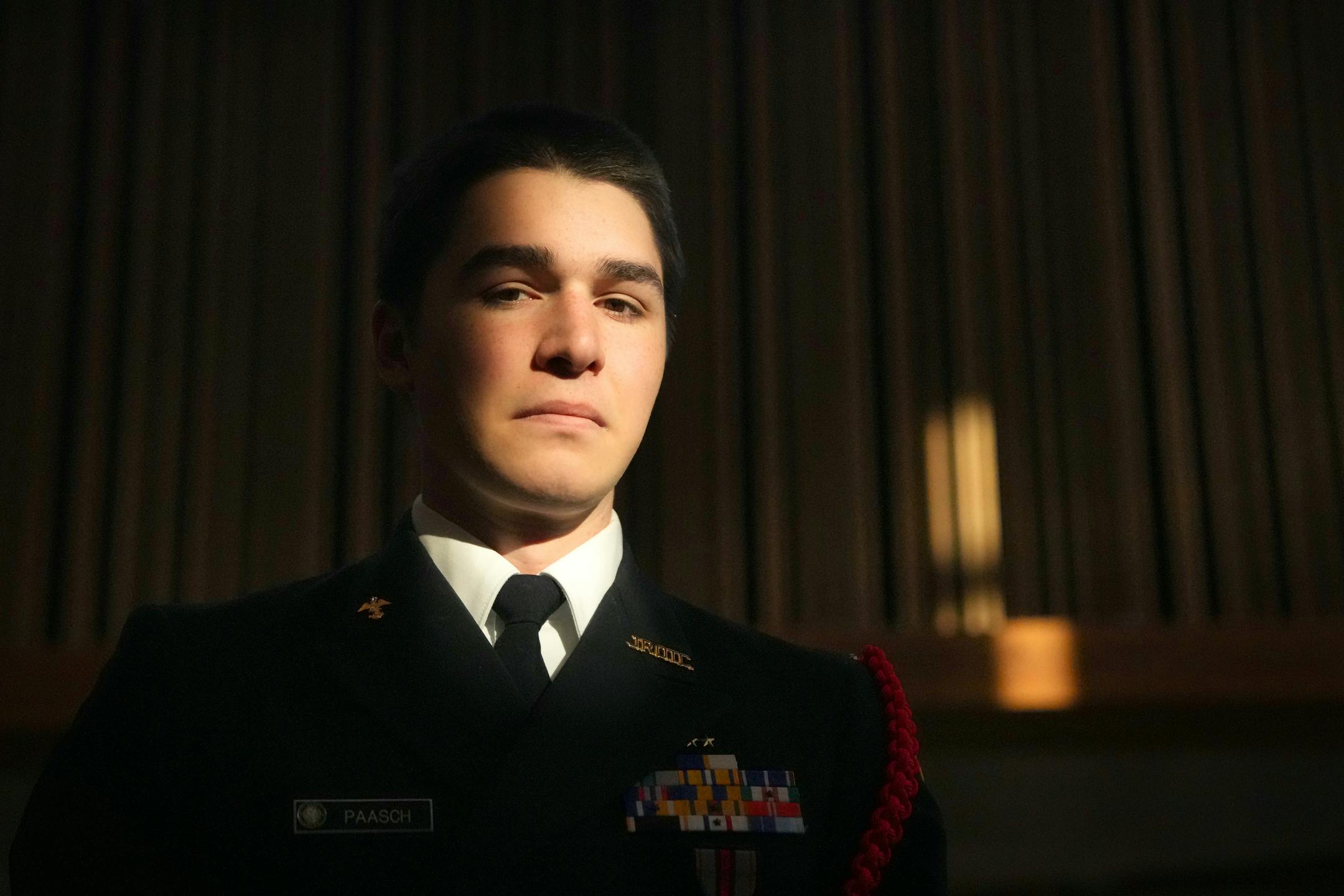
Dexter Paasch tans deer hides for use as tobacco pouches, drums and traditional tribal regalia in the backyard of his family’s home in St. Paul’s North End.
The 17-year-old also recently led the color guard at a pow wow just before winter break at the American Indian Magnet School on the city’s East Side.
Paasch, a Ho-Chunk tribal member, has made a point of immersing himself in culture and tradition. But it is in the political arena — most notably the State Capitol — where he has demonstrated the meaning of the Ho-Chunk name: “People of the Big Voice.”
His voice joins a chorus of young people who converge on the Capitol each year during the legislative session to lend lived experience to policy discussions that affect them and their communities.
Paasch testified earlier this year in support of a bill requiring students to be taught about the dangers of fentanyl and other substances — a proposal that passed the state House, 133 to 0, on its way to becoming law.
“Terrifying,” Paasch says about the nerve-wracking endeavor — surrounded as he was by lobbyists and lawmakers — but necessary, he added, given the toll that drugs have taken on the Native community.
“He is not afraid to use his voice for a cause greater than him(self),” said Khalique Rogers, executive director of Catalyst for Systems Change, a St. Paul nonprofit that through its Changemakers program had helped young people craft the overdose legislation.
Dan Kennedy, a counselor at Harding High School, where Paasch is a senior, said he always had a quiet confidence about him, but that it is through the legislative work that Paasch has seen he truly can be an “agent of change.”