

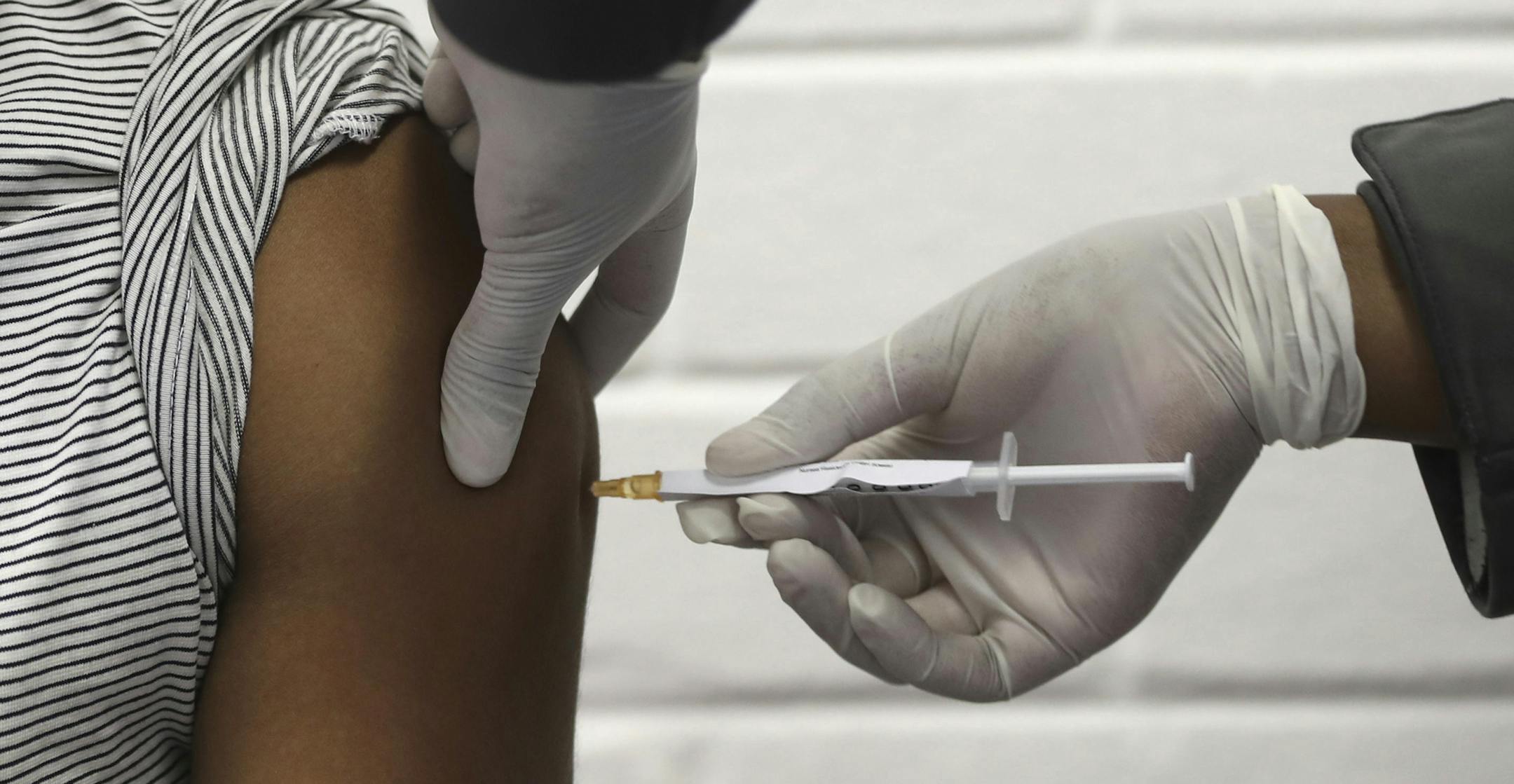
WASHINGTON – In Seattle, where the coronavirus pandemic first exploded in the United States, Dr. Larry Corey is preparing to oversee clinical trials that will determine the effectiveness of the most promising vaccine candidates for COVID-19.
A friend and colleague to Dr. Anthony Fauci over several decades, Corey has overseen hundreds of similar trials over the years — a practiced scientific process in which the potency of a vaccine is tested in volunteers.
This time, however, as part of the Trump administration's Operation Warp Speed, Corey and his colleagues face an unprecedented timeline in trying to meet the program's goal to deliver 300 million doses of a proven COVID-19 vaccine by January.
Under normal circumstances, Phase III clinical trials — the last step before a drug goes to market — take up to four years, with only a quarter of candidates succeeding. Even when conducted under a typical yearslong process, vaccine trials can identify "long-term or rare side effects," according to the Food and Drug Administration website.
Corey is part of a nationwide group of scientists designing the program who were hand-picked by Fauci, the nation's top infectious disease expert, and other leaders at the National Institutes of Health.
The integrity of their work will help determine public confidence in whatever vaccine emerges from the program by the Trump administration to expedite the discovery, production and delivery of the medicine by year-end.
But scientists working on the effort, as well as those monitoring its progress, are in agreement that everything in the process would have to go perfectly in order to meet the Trump administration's end-of-year goal.
While the government is able to rush the massive spending and investments necessary to produce vaccine candidates that have yet to be proven, the scientists say it cannot rush clinical trials.
