

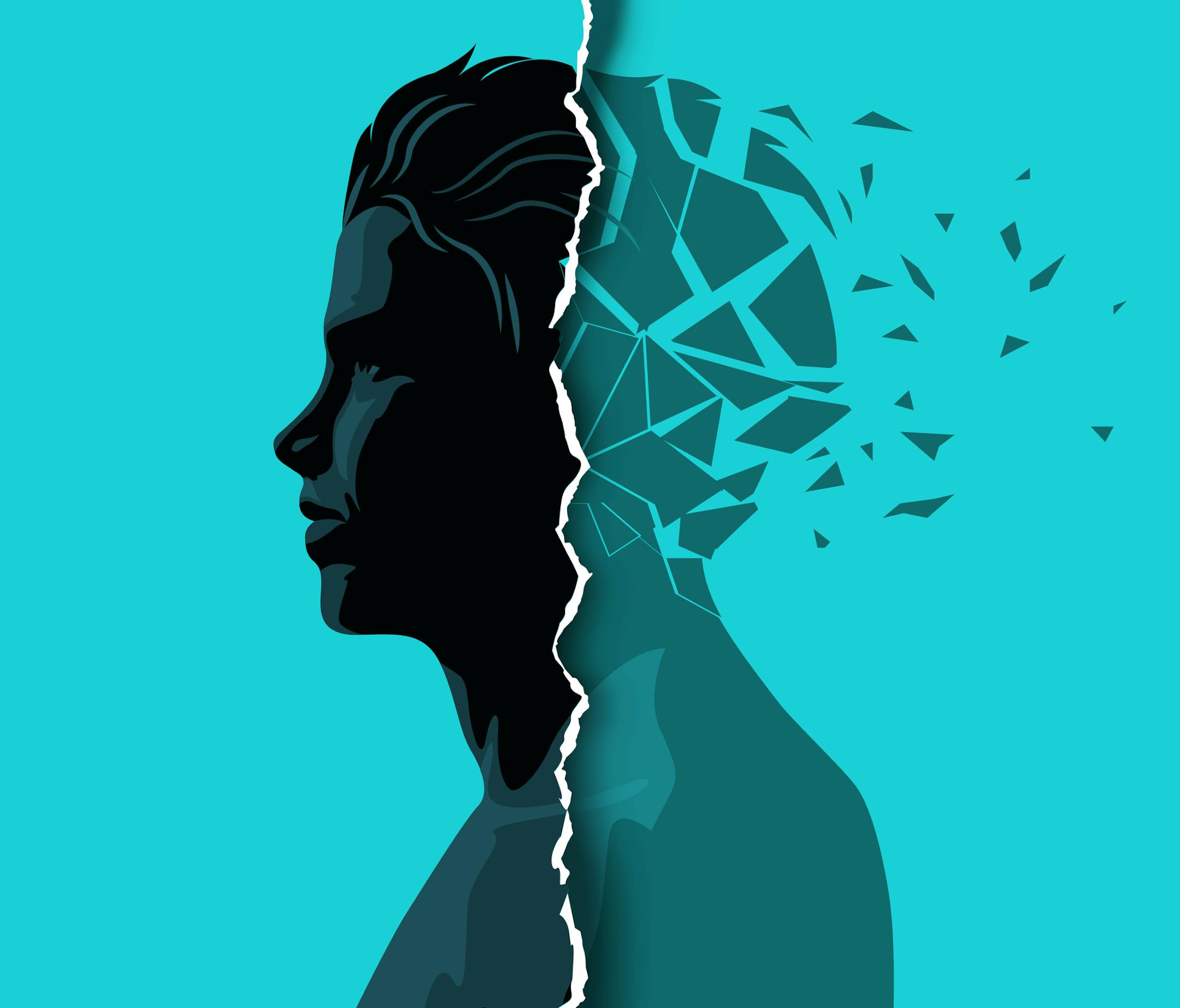
Although postpartum depression in women is widely acknowledged and studied, researchers have only recently admitted what plenty of new dads already knew: It affects men, too.
In fact, as many as 25% of new dads experience exhaustion, irritability, short tempers and other symptoms in the days, weeks and even months after the birth of a child. Unfortunately, men rarely discuss their feelings or ask for help, especially during a time when they're supposed to be there for the new mom.
One big problem is that men and women often express depression differently. Women tend to get tearful and sad; men tend to get angry or withdraw from their family and retreat to the office. Because depression — including the postpartum kind — is usually seen as affecting primarily women, many mental health professionals don't recognize the symptoms, or write them off as normal adjustment to the challenges of new parenthood.
The symptoms usually crop up a week or two after the birth of the child, and can include feelings of stress, irritability or discouragement; difficulty making decisions; aversion to hearing the baby cry; resentment of the baby and all the attention he gets; exhaustion; and disappointment with or guilt about how you're doing as a new dad.
There's been a lot of research on the negative effects of new mothers' depression on their babies. Research on the effects of dads' depression is sparse, but what there is doesn't paint a very pretty picture.
As you might expect, depressed new dads have trouble bonding with their baby. And children whose dads suffered from postpartum depression are about twice as likely to have behavioral, emotional and social problems, as well as delays in language acquisition compared with kids whose dads weren't depressed.
While no one knows exactly what causes postpartum depression, some groups of men are more susceptible than others. The clearest risk factors are a partner who is depressed herself or has a personal history of depression. Other factors include financial problems, a poor relationship with your partner or parents, being unmarried, or a pregnancy that had been unplanned or unwanted.
Postpartum depression doesn't discriminate based on socioeconomic level or ethnicity. It typically affects first-time parents, but can occur after subsequent births even if there were no symptoms after the first child.


