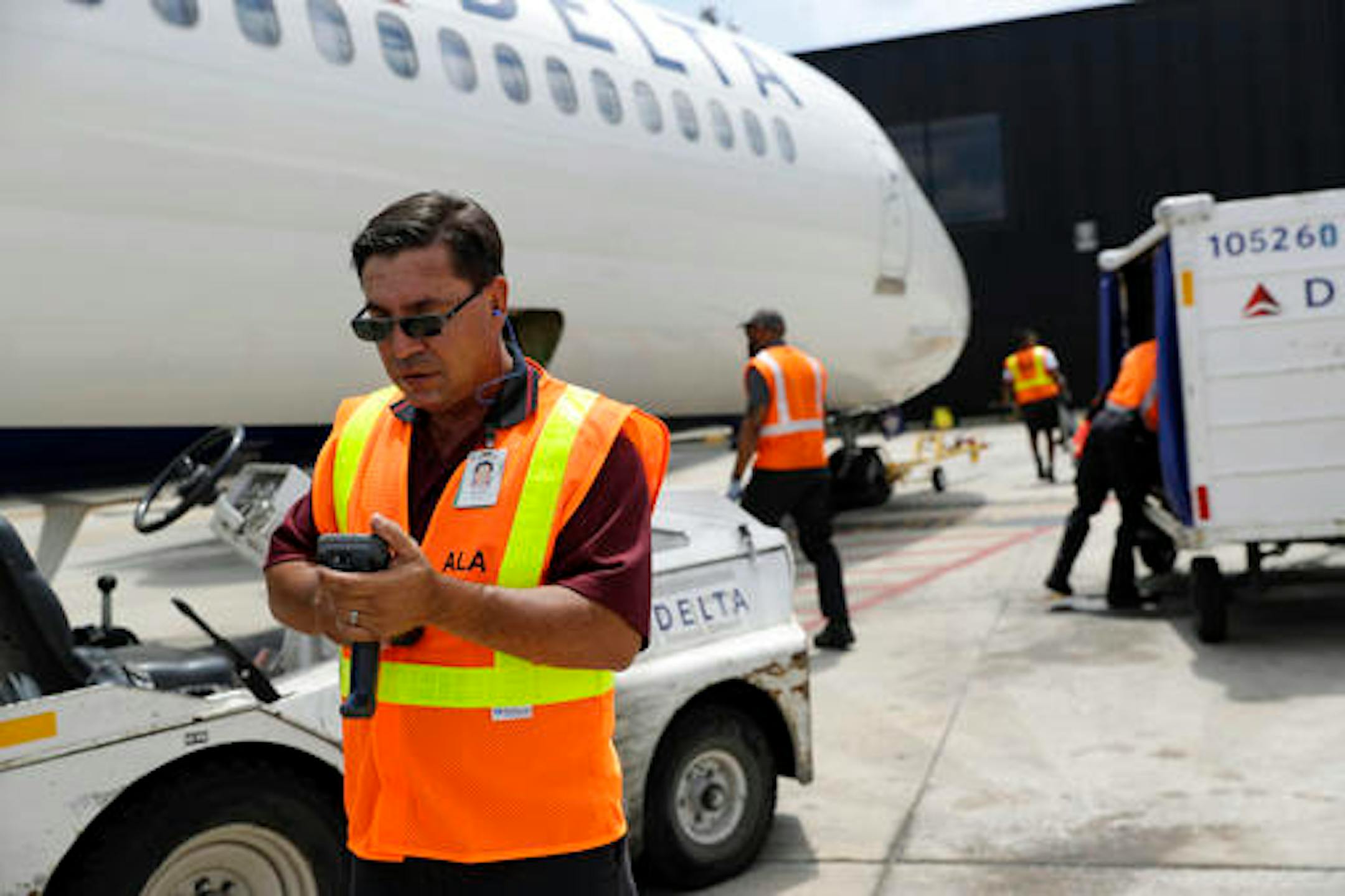
LINTHICUM, Md. — Victor DaRosa stands under a scorching afternoon sun, loading bags onto a jet heading to Detroit.
As each suitcase climbs up the conveyor belt into the plane, a small computer verifies that it actually belongs on that flight. If one bag didn't, a red light would flash and the belt would stop until somebody acknowledges the mistake and reroutes the luggage.
This is the future of baggage handling. Delta Air Lines is investing $50 million to soothe one of air travel's biggest headaches: lost and delayed luggage.
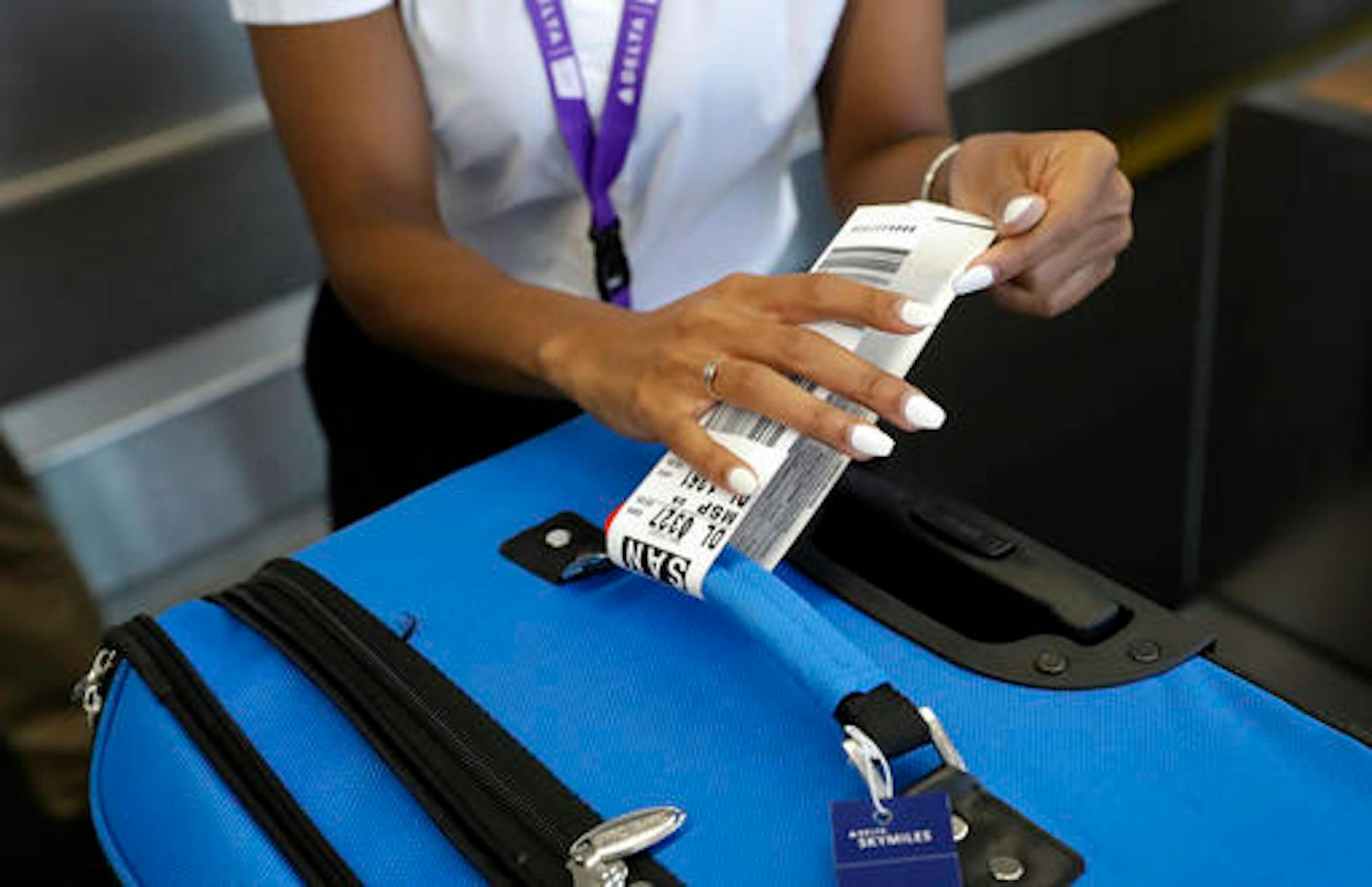
Delta carried nearly 120 million checked suitcases last year, collecting $25 in fees, each way, for most domestic bags. For that price, fliers expect their suitcase to be waiting on the carousel when they arrive. Delta already has one of the airline industry's best luggage handling records — just 1 out of every 500 bags failed to arrive on time — but hopes that by deploying a RFID, or radio-frequency identification, tracking system globally it can improve further.
If the system works, other airlines are likely to follow. Ultimately the bag tag might be replaced with permanent RFID readers in our suitcases, reducing the chances fliers in the future will start a vacation missing their swimsuit.
"It's a very smart move," says Henry Harteveldt, founder of travel consultancy Atmosphere Research Group. "It's one that will help increase customer confidence that their bags will arrive with them."
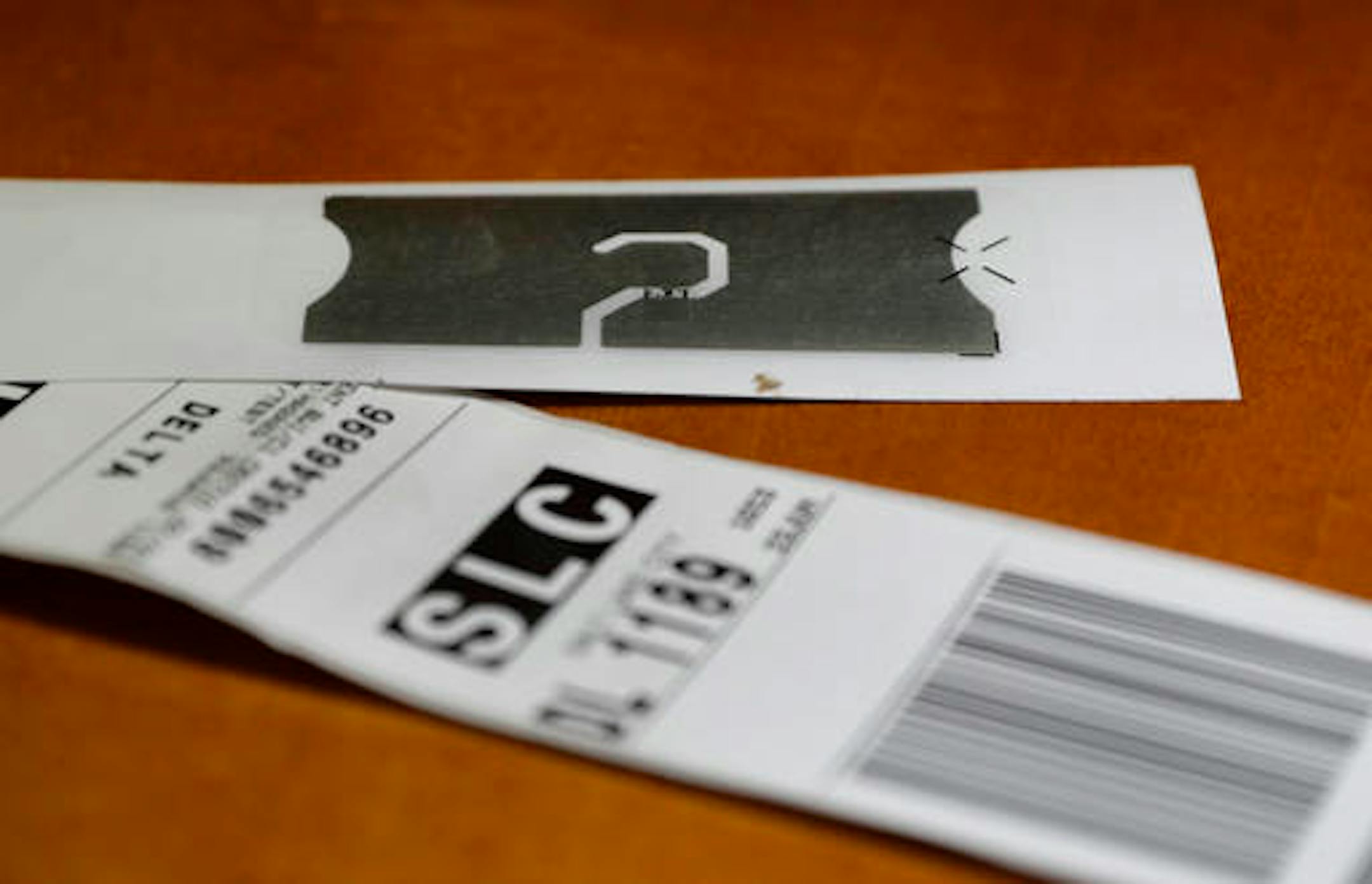
RFID wirelessly identifies tags attached to items. The technology is widely used at warehouses to track goods but Delta's rollout is the first global use for passenger bags.
To better understand the technology, think about your local supermarket. If every grocery item had an RFID tag, cashiers wouldn't have to scan each product at checkout. Instead, the groceries would pass by a scanner and be instantly registered. Shoppers could even leave everything in their cart, having it all tallied at once.