

An ex-con butchers dozens of people on a vengeance spree. Four ranchers, at least one of them a killer, buy and sell women like cattle. An actor disguises himself so he can peek into the soul of, and learn how to romance, the woman he likes. A robber beats the woman he loves. A kid takes advantage of an acquaintance’s suicide to launch himself to fame.
These are not headlines from the Star Tribune homepage. They’re the plots of musical theater classics. Many — including the above examples of “Sweeney Todd,” “Oklahoma!” “Tootsie,” “Carousel” and “Dear Evan Hansen” — feature characters who behave astonishingly badly. From “My Fair Lady” to “American Psycho,” musical theater is jam-packed with tyrants, maniacs and creeps. (See our ranking of problematic protagonists here.)
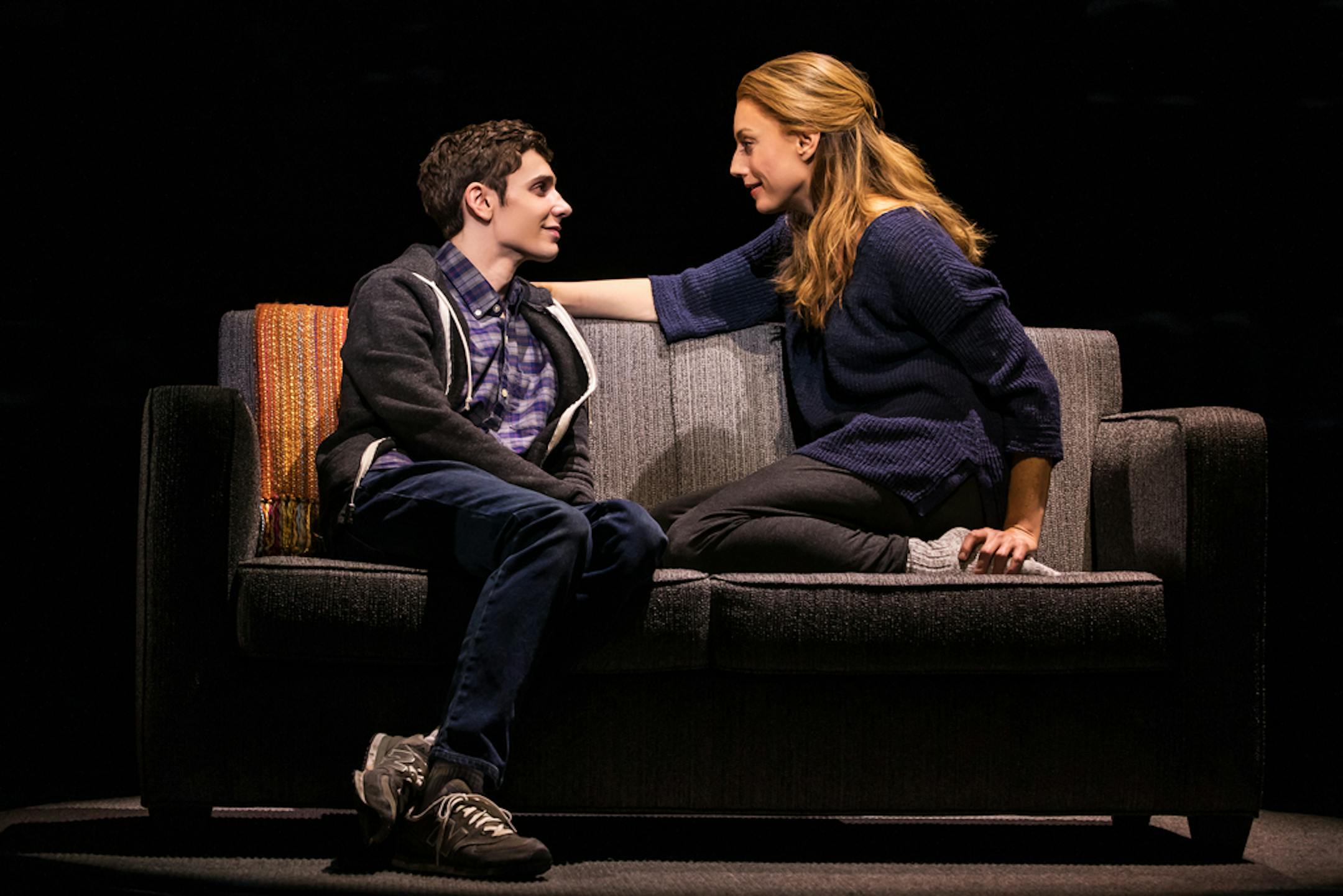
The Tony Award-winning “Dear Evan Hansen” opens Wednesday at the Orpheum Theatre in Minneapolis. When it began performances on Broadway three years ago, it touched off debate about its title character, inspiring message-board threads called “Evan Hansen is a sociopath” and “Evan Hansen is NOT a sociopath.” Its title character, a high school student with an anxiety disorder and other mental illnesses (played by Ben Levi Ross), meets a fellow student who dies by suicide. Through a series of mix-ups and lies told by Evan, the student’s note appears to identify Evan as a hero whose compassion almost saved him. The note goes viral, turning Evan into a social media superstar and forcing him to tell bigger and bigger lies.
It seems clear that Evan Hansen falls in the “not” category, sociopathically speaking. Evan’s youth and illnesses make him a sympathetic figure, ensnared in events that escalate so quickly there’s no time to set things right.
Other musical maniacs are not so benign.
Men behaving badly
The purest musical sociopaths were created by Stephen Sondheim, starting with perhaps the most malevolent (and yet oddly relatable) character in all of musical theater: Sweeney Todd. Sent to prison on trumped-up charges, the so-called “demon barber” returns to London bent on revenge against the judge who sent him away and who also is indirectly responsible for the death of Sweeney’s wife. While Sweeney waits to slit the judge’s throat, he practices on the throats of seemingly half of London.
Although they’re less prolific, the killers in Sondheim’s 1990 show about president-murderers are arguably even more psychotic because they believe they’re in the right. “Assassins” is a complex piece of theater, but one reason we have compassion for its title characters is also true of “Sweeney Todd”: In a world gone mad, madness is an understandable, even logical, response.
“Tootsie” does not get off so easily, since the lead character is motivated by selfishness and ambition. Based on the 1982 movie comedy, “Tootsie” opened in April on Broadway, with University of Minnesota/Guthrie Theater BFA actor training program alum Santino Fontana playing Michael Dorsey, an abrasive actor who helps a female friend prepare for an audition and realizes he would be perfect for the part — if only he weren’t a man. So he dons women’s clothing, changes his name to Dorothy Michaels (aka Tootsie) and gets the part, gradually suggesting rewrites that shift him from a supporting role to the main character. During rehearsals, he also spies on the show’s female lead, pumping her for info on what she likes in a man, gathering intel he can deploy at some point, when he’ll reveal that he’s really a man who has been up-close stalking her for months.


