

Calendars and catalogs tell us that fall color is best served as an array. It is red, orange, yellow and every burnt shade between. Fall colors are so broad and brilliant that the English language can't keep up to name them all.
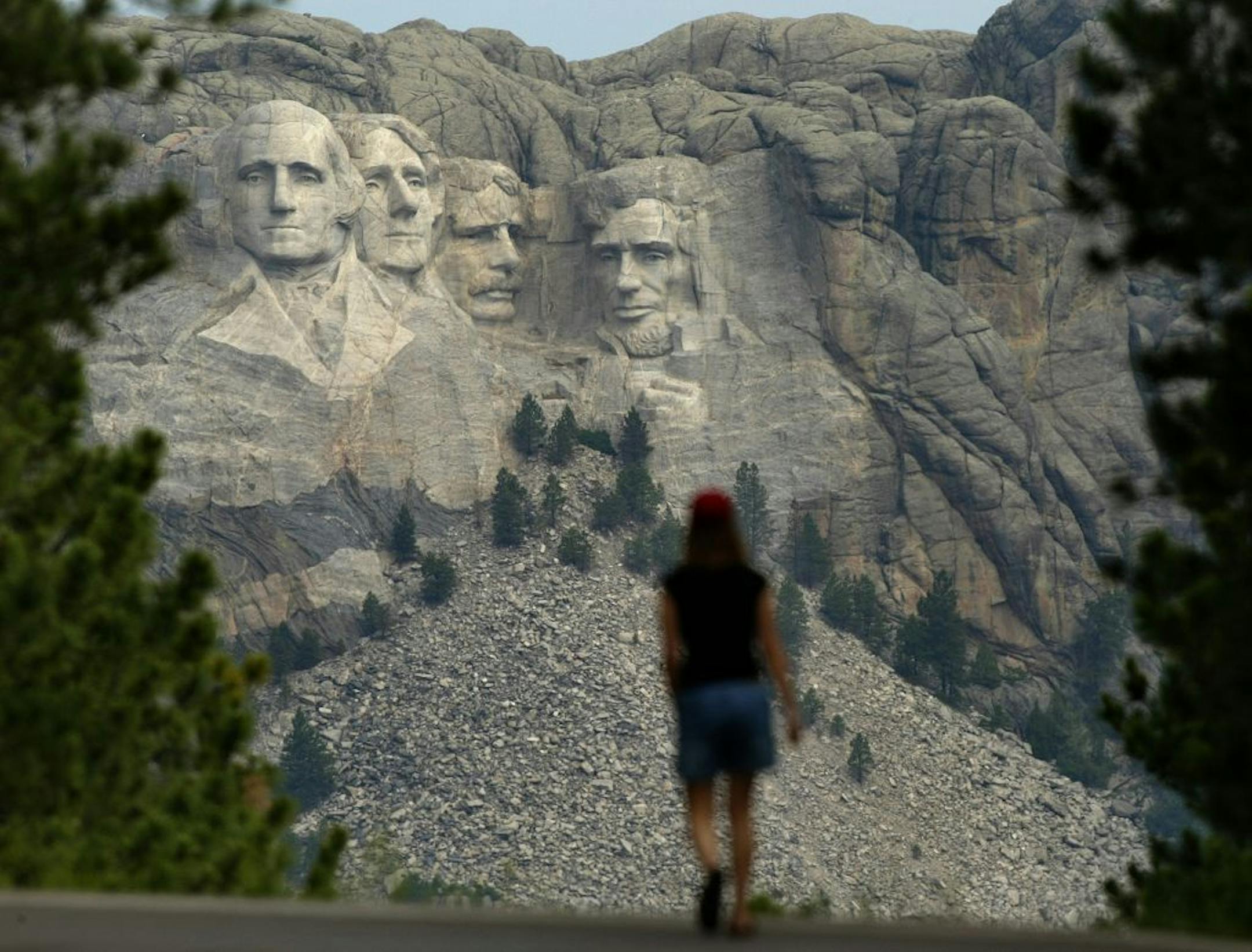
In the Black Hills of South Dakota, however, fall presents itself in one primary shade: yellow. But within that yellow are many yellows: canary, school bus, lemon peel, banana peel, daisy, mustard and maybe even Big Bird. There is orangey-yellow, reddish-yellow and lime-green-yellow.
Rather than bowl you over, the yellows tickle you like a feather -- a subtle, luminous feather always peeking out from the next piney turn in the road or dark, craggy canyon. When backlit by a warm afternoon sun, look out. Those yellows turn electric.
The eastern side of South Dakota is the flat, humid edge of the Midwest. The Black Hills are the edge of the West: bright, vertical and awash in vigorous mountain air. It is a hard and beautiful land, and the hardness not only makes the yellows dazzle, it makes them dazzle differently than they would, say, on a New England country road clogged with thick sweaters and mugs of cider.
Western fall color, which usually peaks here in early October, offers little cider. It is hiking boots and fly-fishing, buffalo burgers and Indian tacos, vertical rock and sparse population. It is the perfect time to visit this legendary landscape; the summer's 90-degree days have fled, and so have the tourists that turn small towns into traffic calamities.
And then there are the yellows.
In pursuit
I began chasing them immediately after picking up my convertible from the rental counter at the Rapid City airport. Top down -- when it comes to fall color, go big -- I cruised directly to Harney Peak, which at 7,242 feet is the tallest mountaintop between the Rockies and Europe.


