

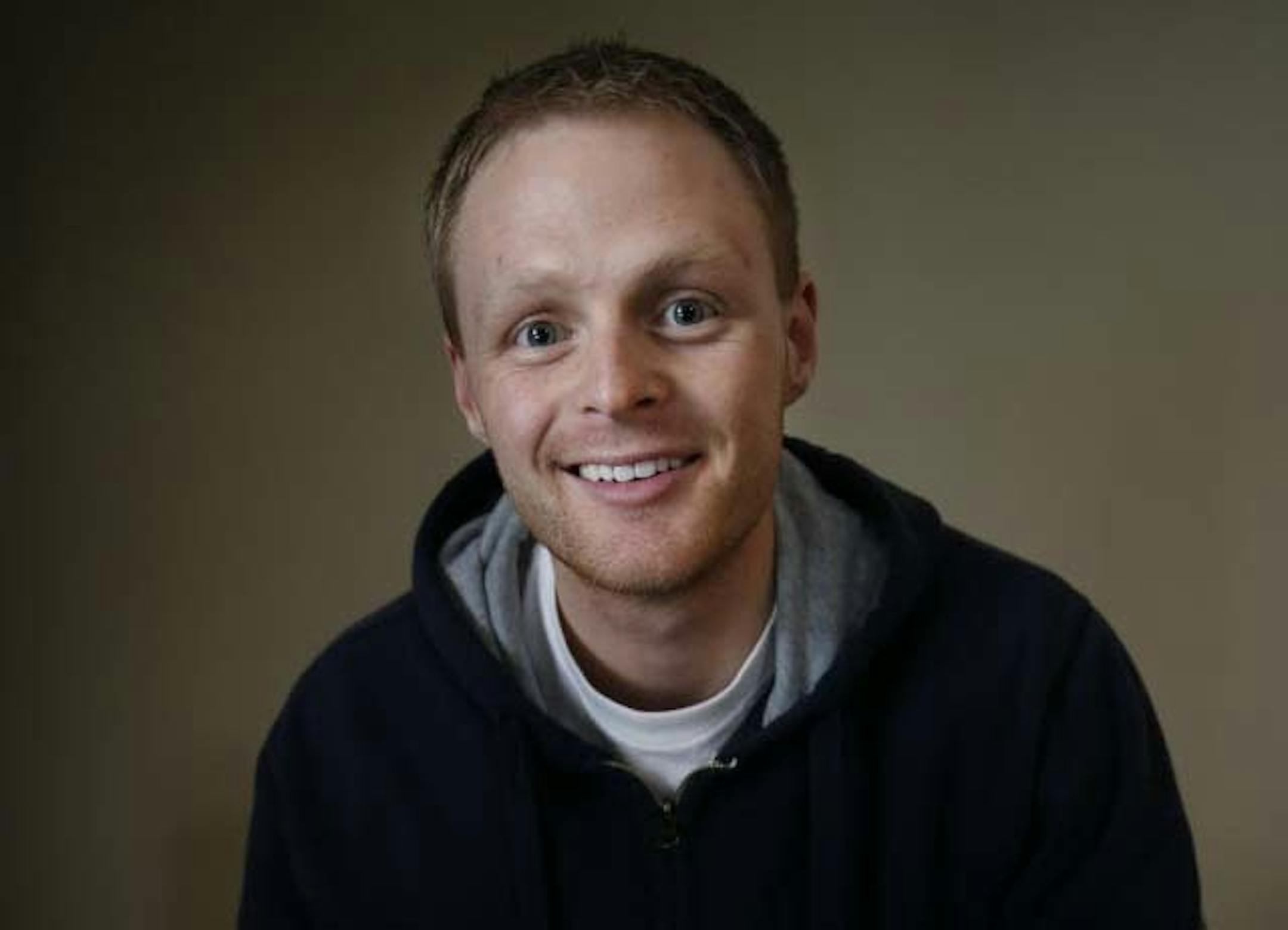
Jared Sieling's first experiment was on his diet.
For weeks, he diligently recorded everything he ate until the data revealed a nutritional gap: not enough protein. Next, he strapped on a device to monitor his activity level. The numbers revealed the software engineer was a slug, averaging fewer than 1,000 steps a day — well below the recommended 10,000-step mark.
"That was the big 'aha' moment when I realized, 'Oh, this is a big problem,' and started to fix it," he said.
Sieling, 27, of Maple Grove, is part of the rapidly growing "quantified self" movement — the practice of collecting data on everything from diet to blood sugar to sleep patterns and mood levels. Also called self-tracking, bio-hacking or "qs," it involves measuring and analyzing the body's inner workings for optimum health.
Once used only by elite athletes, self-tracking is becoming more accessible to everyday folks as tracking devices go high-tech. Instead of single-use pedometers, devices such as Fitbit, Jawbone UP, Nike+ FuelBand and others can monitor heart rate, calculate calories and count the number of stairs you climb or the quality of your sleep.
For some, it's merely a quirky hobby, born out of a fascination with numbers that borders on obsession. Others, whom Sieling calls "elite livers," see it as a way to take charge of their own health — a powerful new tool that could lead to early detection of diseases and better management of chronic ones.
Health professionals, however, remain guarded about self-tracking. While many acknowledge its proven results in areas such as weight loss, they caution that the volumes of information netted by new technologies could become overwhelming.
Yet that hasn't dimmed the enthusiasm of Sieling and other members of the local Quantified Self Minneapolis meetup group, who'll gather this month.
![At his home in Maple Grove, Jared Sieling uses a scale that automatically sends his weight and body fat to a database which he can track with his smartphone or computer. With his smartphone he is also able to track the number of steps he takes during the day using the FitBit pedometer. It also automatically sends the data over the internet so he can track it.]rtsong-taatarii@startribune.com](https://arc.stimg.co/startribunemedia/G2ZXH5WFY6C3P6V6P4E4JDEAFI.jpg?&w=1080)


