
Advertisement

Minneapolis craft cocktail maker Dashfire files for bankruptcy

Rising costs and a slumping spirits market put the bitters and ready-to-drink cocktail maker into Chapter 11.

The Minnesota Star Tribune
April 25, 2025 at 2:28PM
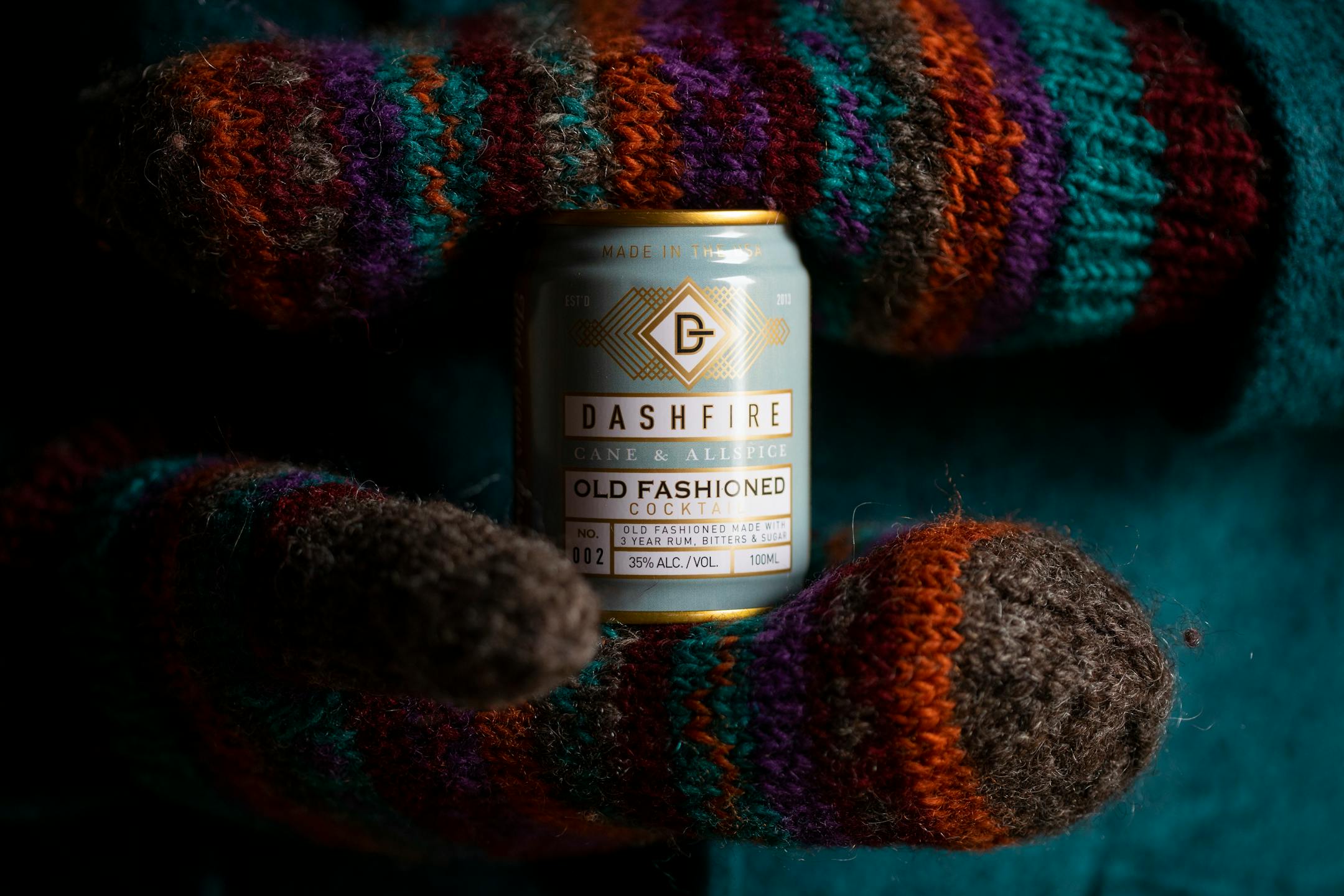
Dashfire in Minneapolis makes bitters and ready-to-drink cocktails. It has filed for Chapter 11 bankruptcy protection. (Tj Turner)
Advertisement

Minneapolis liquor company Dashfire Bitters has filed bankruptcy, buffeted by rising costs and a slowdown in the spirits industry.

Dashfire and two related companies on Tuesday filed Chapter 11 bankruptcy, which allows a company to reorganize its finances while shielded from its creditors’ claims.

“These past few years and months have been very challenging for Dashfire,” Lee Egbert, the company’s president and majority owner, said in a statement. “Filing for bankruptcy protection is a necessary step to get our business back on solid footing.”

Dashfire, which has 28 employees, makes bitters and ready-to-drink cocktails.

Dashfire’s production facility in northeast Minneapolis will continue operating. Its adjacent cocktail room “will remain open for the time being,” Egbert said.

Dashfire said in the bankruptcy filing its Minneapolis lease is “too burdensome for the current business model.”

The company is asking the U.S. Bankruptcy Court in Minnesota to reject the lease and allow Dashfire to enter a new commercial lease in Baldwin, Wis.

In Baldwin, Dashfire would no longer have a cocktail room, “but will also have significantly lower overhead costs,” the filing said.

Advertisement

Egbert created Dashfire 12 years ago in St. Paul as a bitters maker, eventually offering 22 flavors. The company moved to Minnetonka and entered the ready-to-drink cocktail market, investing in a canning line and landing a national distribution agreement.

By the time it moved to Minneapolis in 2022, Dashfire had $1.5 million to $2 million in annual revenue, the bankruptcy filing shows.

But spirits sales have since slumped as inflation eroded consumers’ disposable income.

Dashfire’s debt burden also strained its finances.

Its largest creditor, the U.S. Small Business Administration (SBA), is owed about $1.4 million, bankruptcy records show. Most of that comes from two loans made through an SBA pandemic loan program.

Egbert personally guaranteed both of those loans, according to a Dashfire bankruptcy filing. Egbert and his wife, Dawn, filed for personal bankruptcy in February.

Advertisement

“Dashfire has been a true labor of love for me, my family, our team, and no matter what the future holds, I am proud of the company,” Egbert said.

Joy Summers of the Minnesota Star Tribune contributed to this story.

about the writer

about the writer

Mike Hughlett

Reporter

Mike Hughlett covers energy and other topics for the Minnesota Star Tribune, where he has worked since 2010. Before that he was a reporter at newspapers in Chicago, St. Paul, New Orleans and Duluth.

See Moreicon

More from Business

See More
Todd Geselius, vice president of agriculture at the Southern Minnesota Beet Sugar Co-op, shows what a sugar beet looks like when it is harvested in the field on Sept. 9, 2015 in Renville, Minn. (Jim Gehrz/Minneapolis Star Tribune/TNS) ORG XMIT: 1175088 ORG XMIT: MIN1510142301350530
The Minnesota Star Tribune

Some say the MAHA movement and GLP-1 drugs hurt sugar beet farmers. The White House is blaming former President Joe Biden.

card image
card image
Advertisement