The prosciutto- and arugula-laced sandwiches beckoned from the cafe displays at Venice's shiny new Marco Polo Airport.
Despite my annual trips to Europe, I have never seen the storied canals and haunting architecture of this city. Still, my friend Vanessa and I settled for two frothy cappuccinos to go, trudged to the rental car hut and bid arrivederci to Venice.
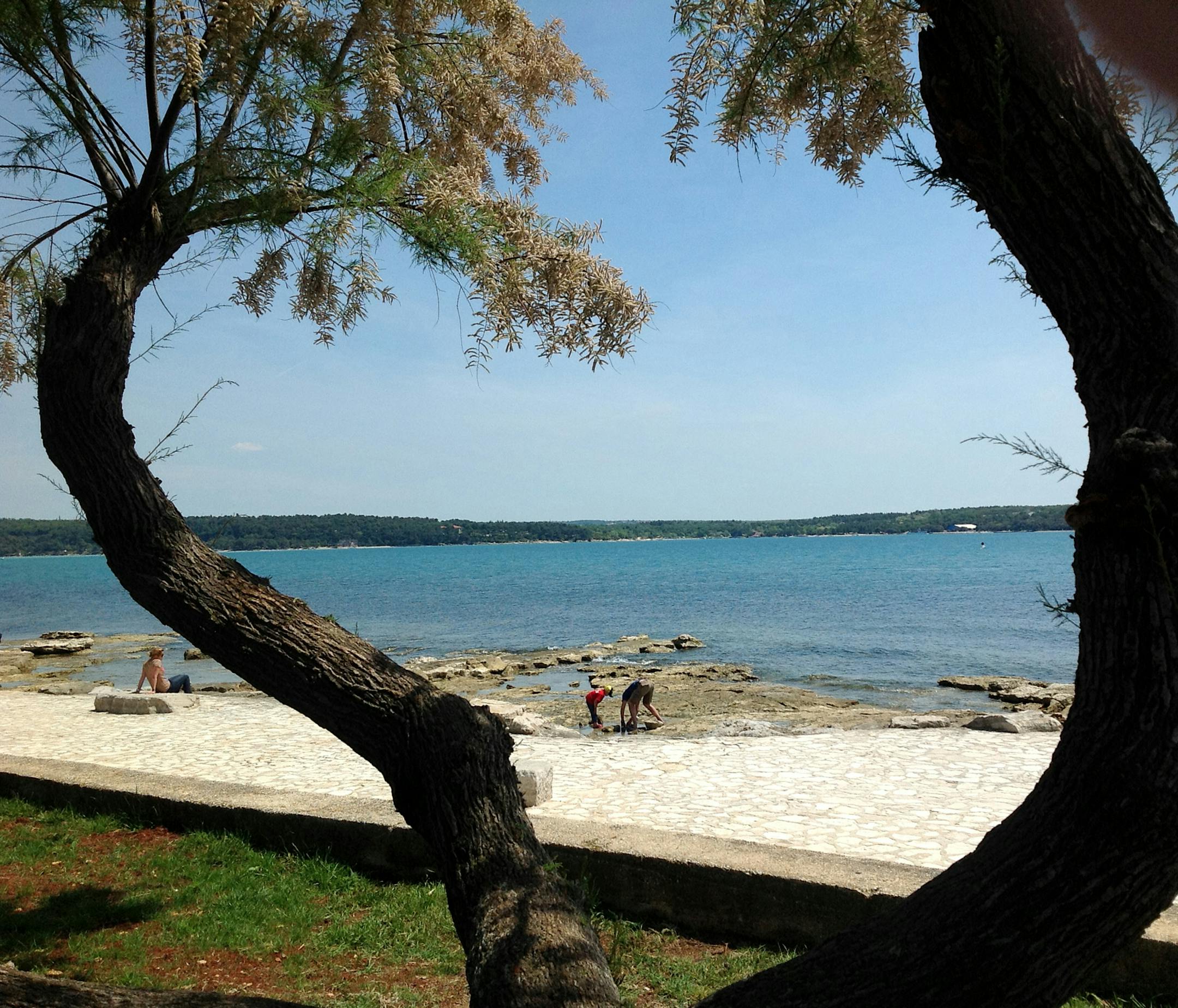
We were headed to an all-inclusive family resort on the Adriatic Sea on Croatia's Istrian Peninsula, a two-hour drive from the airport.
What was I thinking, bypassing one of the world's greatest cities for a sleepy coastal resort?
I was thinking that Croatia — a spot still off the well-worn path for U.S. tourists — would be fascinating.
The itinerary wasn't my design. I had been visiting Vanessa, who lives in Berlin, and she suggested we join her Austrian cousin and his family at the Valamar Club Tamaris, one of the low-key resorts to locate on Istria in the past decade. I welcomed the suggestion, intrigued by the country's rich history, turbulent transformation and lingering mystery.
Croatia had been part of Yugoslavia, a corner of the world shielded from the West after World War II, until it declared independence in 1991. That move incited a siege by the Serb-controlled Yugoslav People's Army, which sought to keep Croatia. A year later, some 20,000 lives had been lost. The Croatian infrastructure and economy suffered staggering losses. Traveling to Croatia felt like paying tribute to the survivors.
On our drive there, after passing the dusky Dolomites, we were lost in Ljubljana, the capital of Slovenia.