

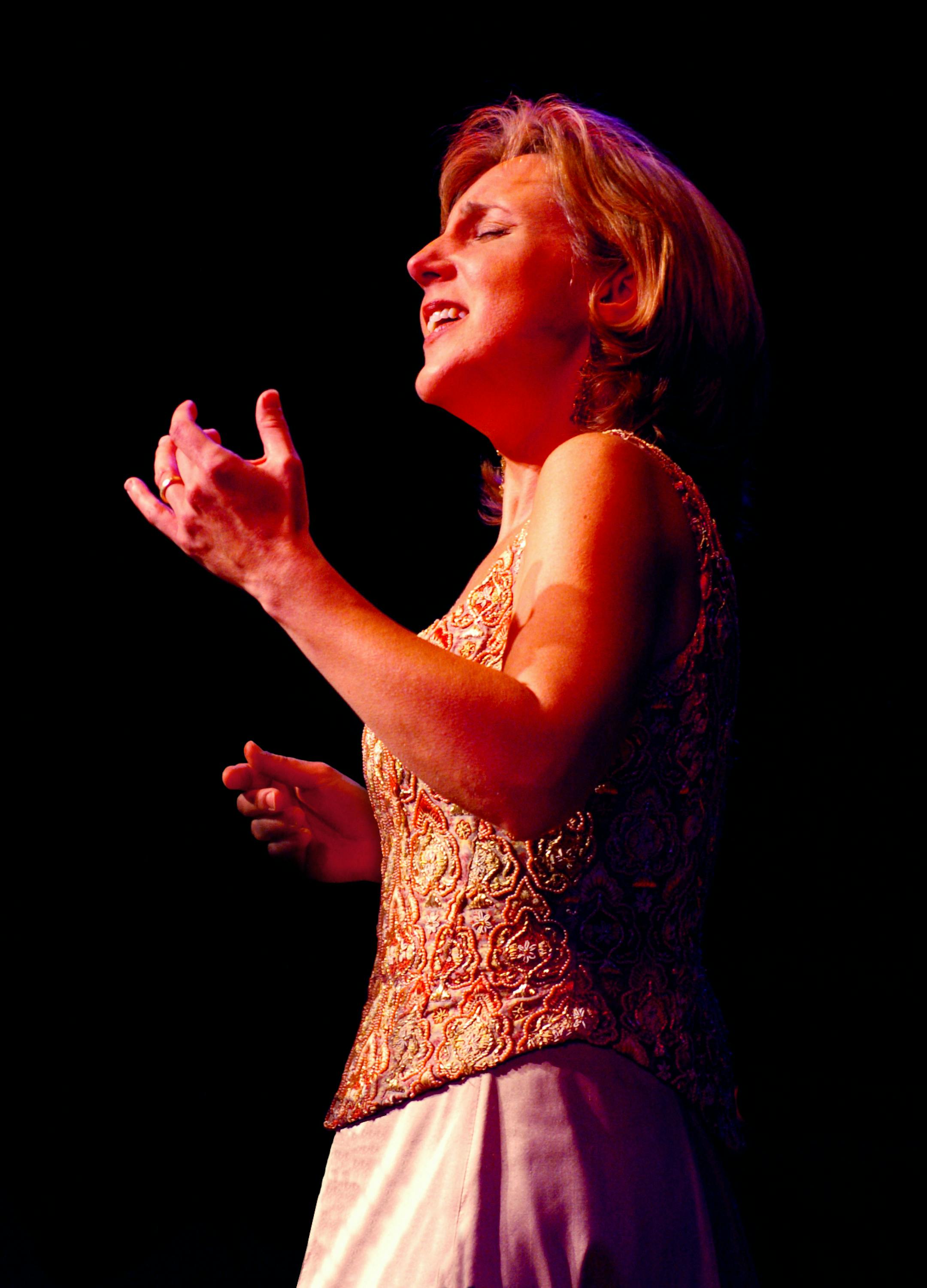
Defying the cold, Friday's audience at the Ordway Center gave soprano Dawn Upshaw, making her debut as an artistic partner of the St. Paul Chamber Orchestra, a notably warm reception. Together with fellow partner Pierre-Laurent Aimard, who doubled as pianist and conductor, Upshaw fashioned an evening that augurs well for the three years of her partnership, singing with the keen verbal and musical sensitivity that has marked her work for more than two decades.
The program mixed pieces by two pairs of composers who knew each other: Stravinsky and Ravel, Haydn and Mozart.
Both Stravinsky's "Pribaoutki" (four short songs in Russian, originally for male voice) and Ravel's "Three Poems of Stéphane Mallarmé" date from the eve of World War I; both have texts in which sound trumps sense. (It's been remarked that the symbolist poetry of "Mallarmé" is "untranslatable, even into French.")
The earthy "Pribaoutki" sometimes sounds like Stravinsky's "Rite of Spring" in miniature. The pastel-hued "Three Poems," composed under the influence of Arnold Schoenberg and said to have been Stravinsky's favorite among Ravel's scores, is as avant garde as anything he wrote.
In "Pribaoutki," Upshaw assumed an audibly different character for each song. In "Three Poems," her liquid singing melded magically with the gossamer textures of the nine-member instrumental ensemble, delicately guided by Aimard. Upshaw's voice has darkened a bit since her 1991 recording of the Ravel; it glints less now and glows more. Happily, we can hear both.
Friday's curtain-raiser, Haydn's Symphony No. 60 ("Il distratto"), derives from incidental music for a play with an absent-minded hero. Capitalizing on the work's contrasts, Aimard made the best of its broad humor: In the Finale, where Haydn has the violins retune in midsentence, the conductor sat on the podium, put his head in his hands and mimed despair. Mozart's A-Major Piano Concerto (No. 23), though a far greater piece, fared less well. At my location in the hall, the piano sound was muffled. Aimard's playing of the first-movement cadenza spoke more of diligence than of delight, and his account of the aching slow movement skirted its depths.
Mozart, however, was rehabilitated at the close, when Upshaw rejoined Aimard and the orchestra for a pulse-elevating performance of the marvelous concert aria, "Ch'io mi scordi di te?"--easily the equal of a hot toddy on a bitter night.
Larry Fuchsberg is a Twin Cities music writer.


