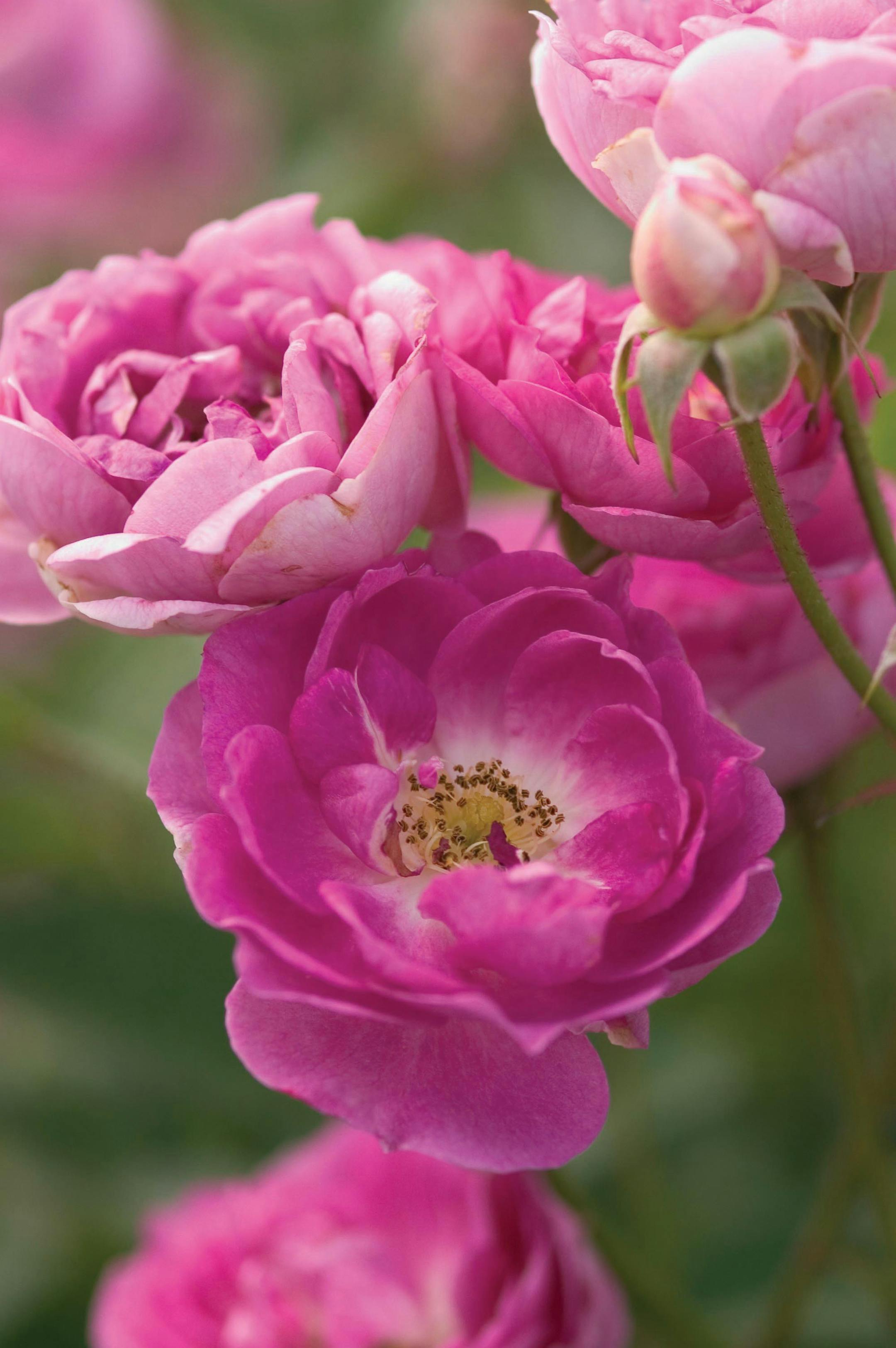
I hate to admit it, but I get sick of roses. It's not that they're not pretty. They are. It's just that it can be a battle to keep them healthy.
Roses generally are tough plants, but the double whammy of Minnesota winters combined with diseases (black spot and powdery mildew) can make them look a lot less attractive in our yards than they do in the garden catalogs.
Of course, the best way to get roses to survive our winters is to choose varieties that can tolerate cold weather. And the best way to control powdery mildew and black spot is to select roses resistant to these monsters.
But even hardy, disease-resistant roses take a bit of effort. Here are some tips to help you grow beautiful, greener roses.
Homemade cures that work
There are plenty of commercial pesticides to treat powdery mildew and black spot, most of which work just fine. But what if you don't want to spray chemicals? A few homemade cures work well and may be safer than most commercial pesticides. Here are two recipes:
Milk spray: Mix one part milk to two parts water in a plastic spray bottle. Sprayed weekly, it did an excellent job of controlling black spot and a fairly good job on powdery mildew. (We used whole milk, but any milk should work, except perhaps chocolate.)
Mouthwash spray: Mix one part mouthwash that contains alcohol (we used a generic peppermint-flavored product) to three parts water. Spray weekly. It did a fair job of controlling both diseases, but caused some burning on the leaves.