When a magnitude-6.7 earthquake rumbled across the Big Island in 2006, it almost ended the reign of one of Hawaii's more storied resorts.
The Mauna Kea Beach Hotel was rattled by the quake, but seemed to hold its own. Only later did engineers find cracks in its signature concrete trellis that forced the hotel to close. It was highly questionable whether the modernist architecture icon would open again.
Two years and $150 million later, the Mauna Kea has come back. It hasn't looked this good since it opened in 1965.
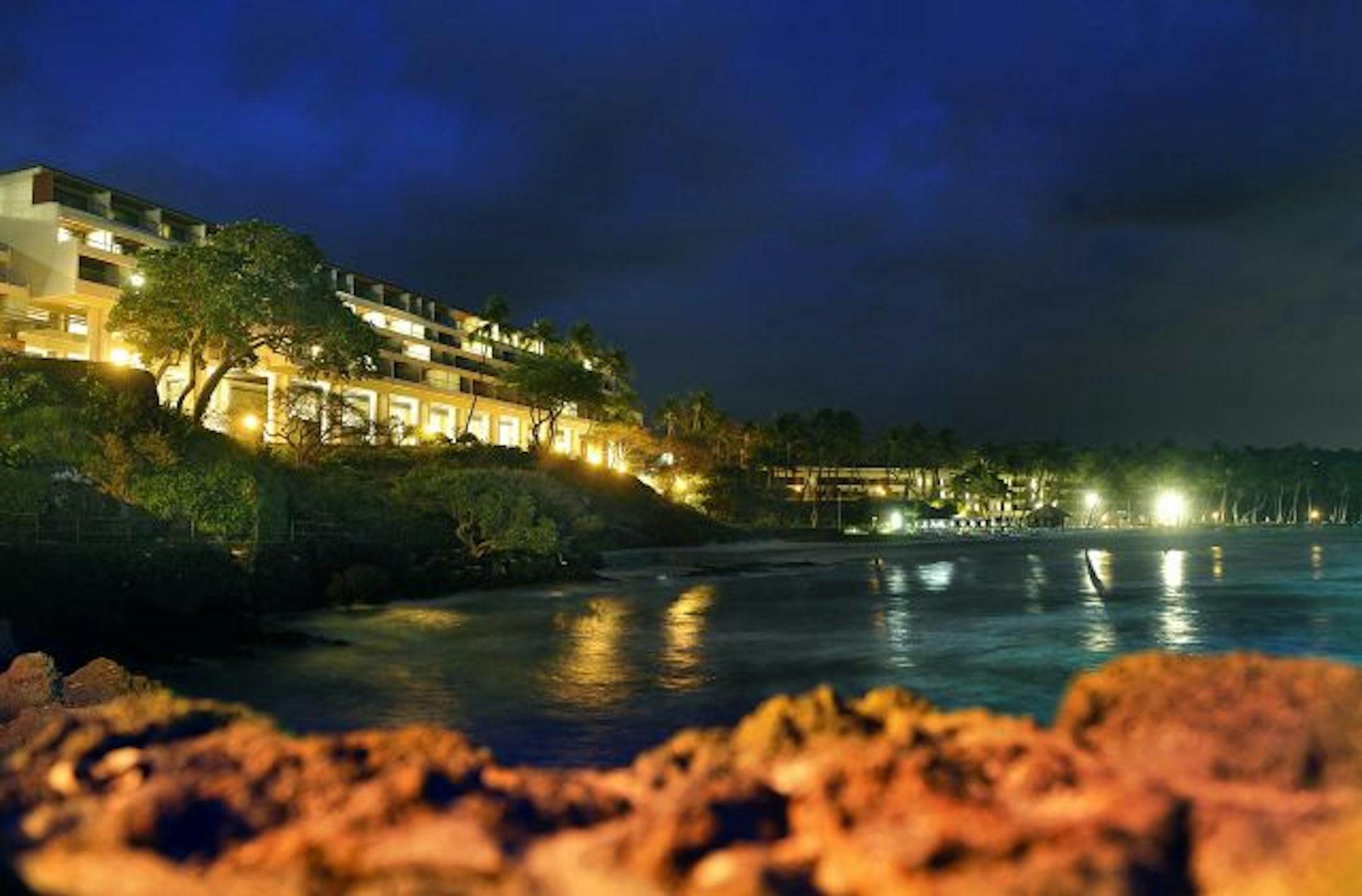
The hotel was developed by Laurance S. Rockefeller, who sailed up and down the west coast of the Big Island before picking the site. His choice: a bluff overlooking one of the few outstanding beaches on the lava-rock-rimmed island.
He brought in the Chicago architectural firm of Skidmore Owings & Merrill, best known at the time for its Lever House in New York, a classic internationalist-style box steel and glass skyscraper.
When it opened in 1965, the Mauna Kea was an instant landmark. Using steel encased in concrete, the hotel served as a giant frame to the tropical surroundings, with a sweeping, open lobby inset with blue tile.
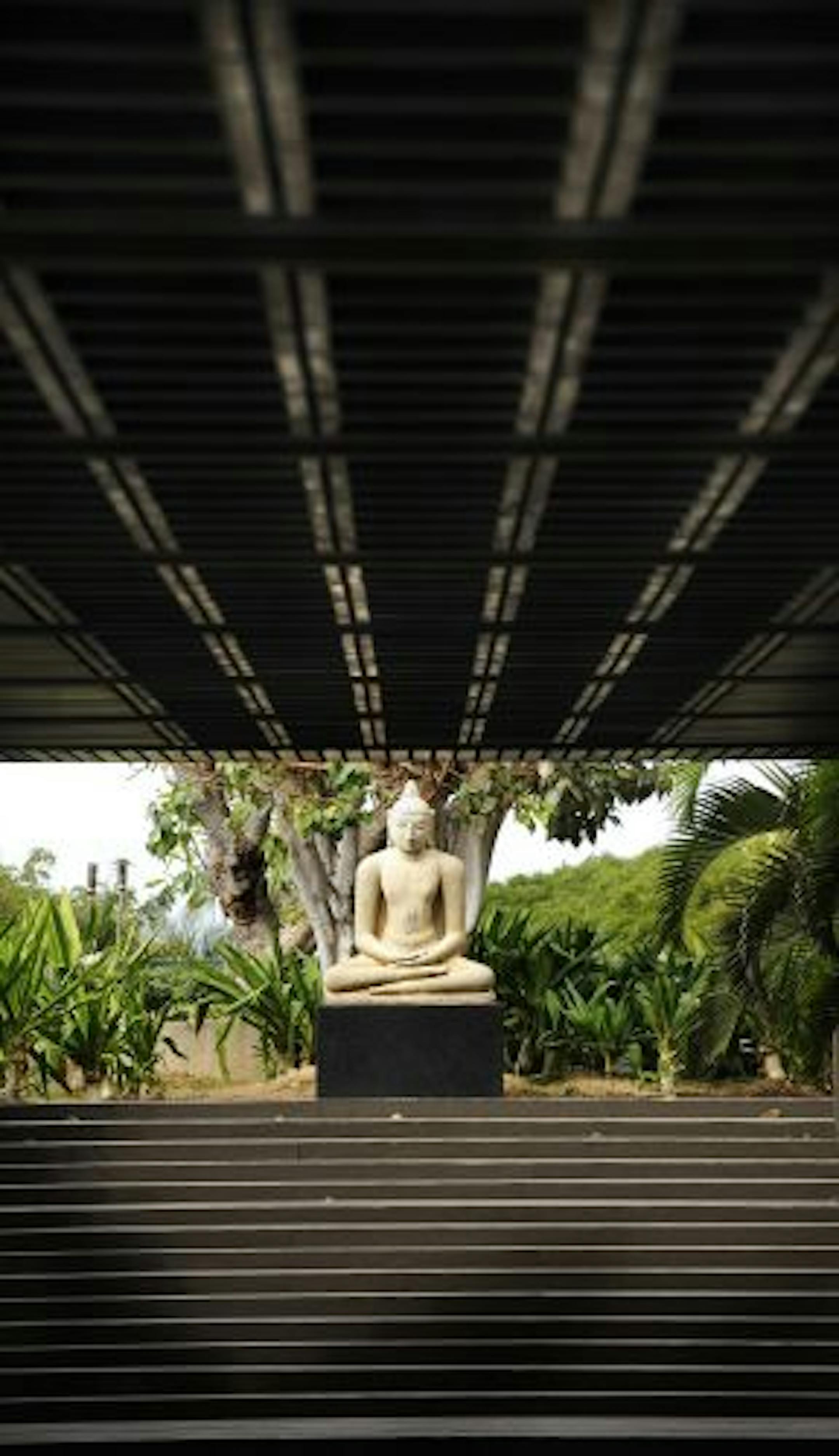
The atrium of the main building created a water garden setting. Rockefeller sprinkled the grounds with pieces of his vast Asian art collection, most notably a large sitting Buddha at the top of a long exterior staircase. A later addition echoed the original design.
The understated modernist design was given a splash of tropical color -- signature orange, which showed up in towels, elevator doors and a few other trappings.