Now, the flurry has stopped. Conference realignment will likely go quiet for a while.
"Hopefully we're starting one of those periods where we're all intact and can reach our full potential," ACC Commissioner John Swofford told the Associated Press in July.
But the question surrounding the parade of leapfrogging — which really got going in the early 2000s and has ramped up to what some might call out-of-control movement in the past four years — has always been what that potential means, exactly.
How long would fans have to wait to see the moves pay dividends? We didn't know.
But with the dust only just settling from the last wave of big changes, we're watching it happening right away — across the country and in Minnesota's new backyard.
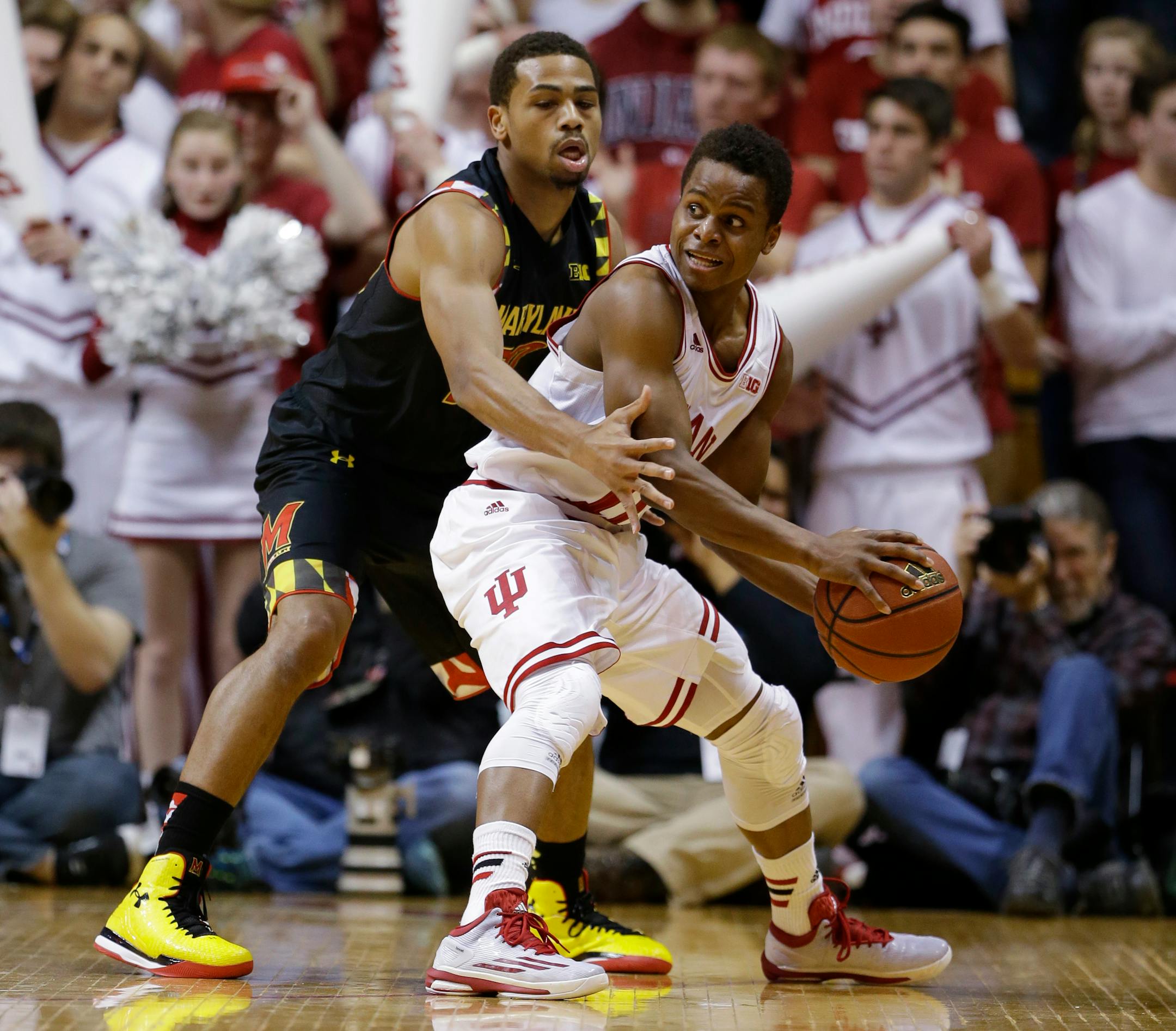
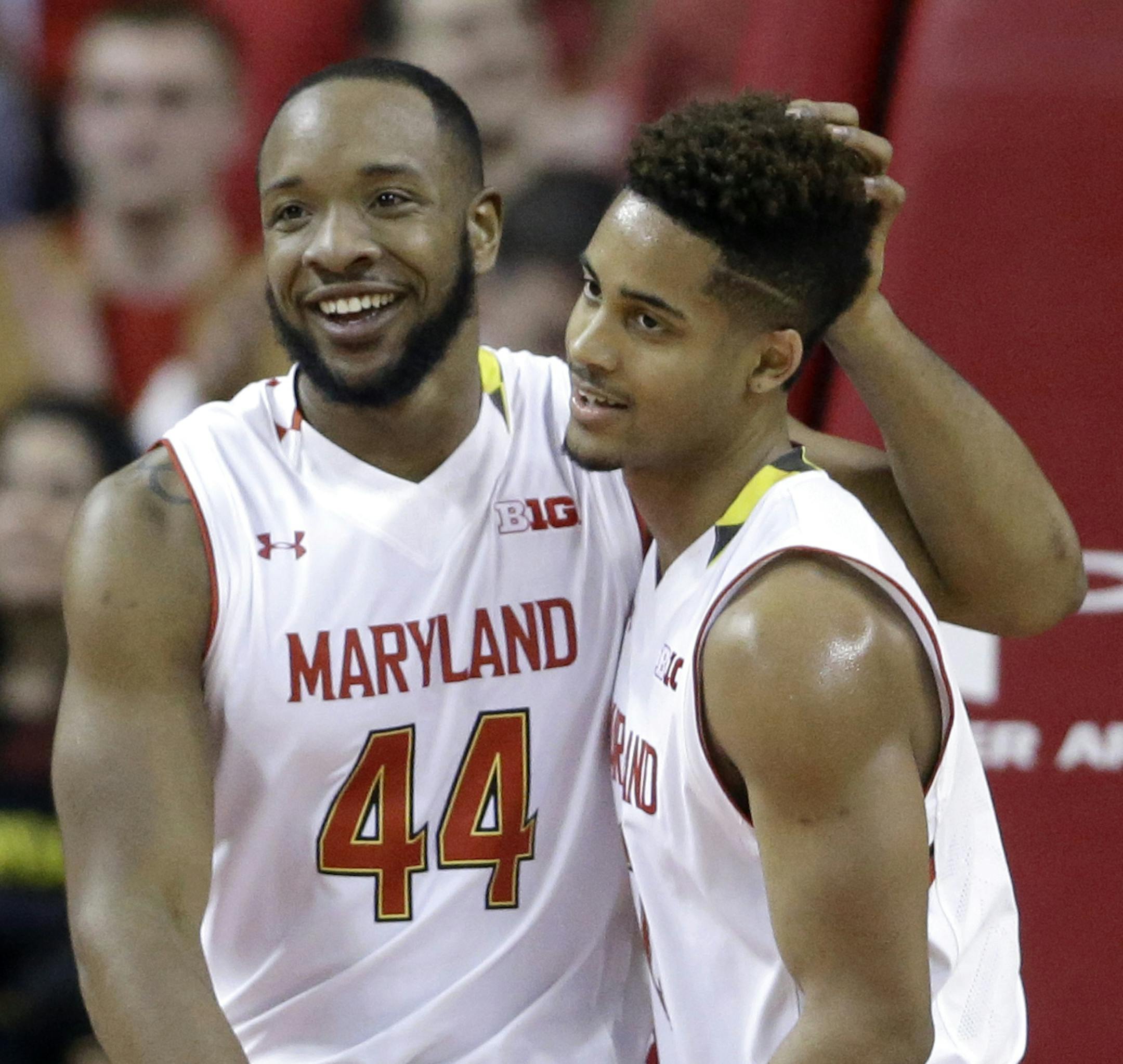
Once the Big Ten was a Midwestern affair; now, the conference has boldly stepped to the East Coast. And so far, that's working. While the addition of Penn State (12-7, 0-6) never threatened to shake things up much, versatile, athletic Maryland (17-3, 5-2) has exploded into its new home in a big way, threatening for the title in its very first year in the league. And after being picked 10th in the preseason media poll no less. Nebraska (11-7, 3-3), although taking a step backward from a fourth-place finish last year, has increased the overall conference depth since joining in 2011. And even Rutgers (10-10; 2-5) looks better than advertised, avoiding the Big Ten basement for now after a pair of wins — including an upset over favorite Wisconsin (17-2; 5-1).
But it's not just the Big Ten that is benefiting. New addition Louisville (15-3, 3-2; No. 10 in the AP poll) and second-year Notre Dame (18-2; 6-1, No. 8) sit among the elite in an ACC that looks stronger than ever, with five teams in the top 15 nationwide. In the Pac-12, Utah, which came on board in 2011, is making an unexpected splash. Two seasons away from going 15-18 and three seasons from a 6-25 crash, coach Larry Krystkowiak's Utes (15-3, 5-1) are No. 12 team in the country and, along with power Arizona (17-2, 5-1) are helping to put a face on an otherwise balanced Pac-12.
The Big East project, meanwhile, can quickly be called a success. The 10 basketball-oriented schools that combined for a totally new Big East than the one my father grew up with have six teams in analyst Ken Pomeroy's top 40 rankings — four more than last year.