

"You're the worst kicker in Alabama history."
"Don't come back to campus."
The Twitter volcano had erupted, spewing vicious words onto Cade Foster.
"Drink bleach."
"I'm gonna kill you and your family."
The 22-year-old senior had missed three field goals against Auburn in 2013, helping cost Alabama a shot at a third consecutive national title. Over the next 24 hours, his Twitter handle (@Foster_43) drew more than 12,000 mentions.
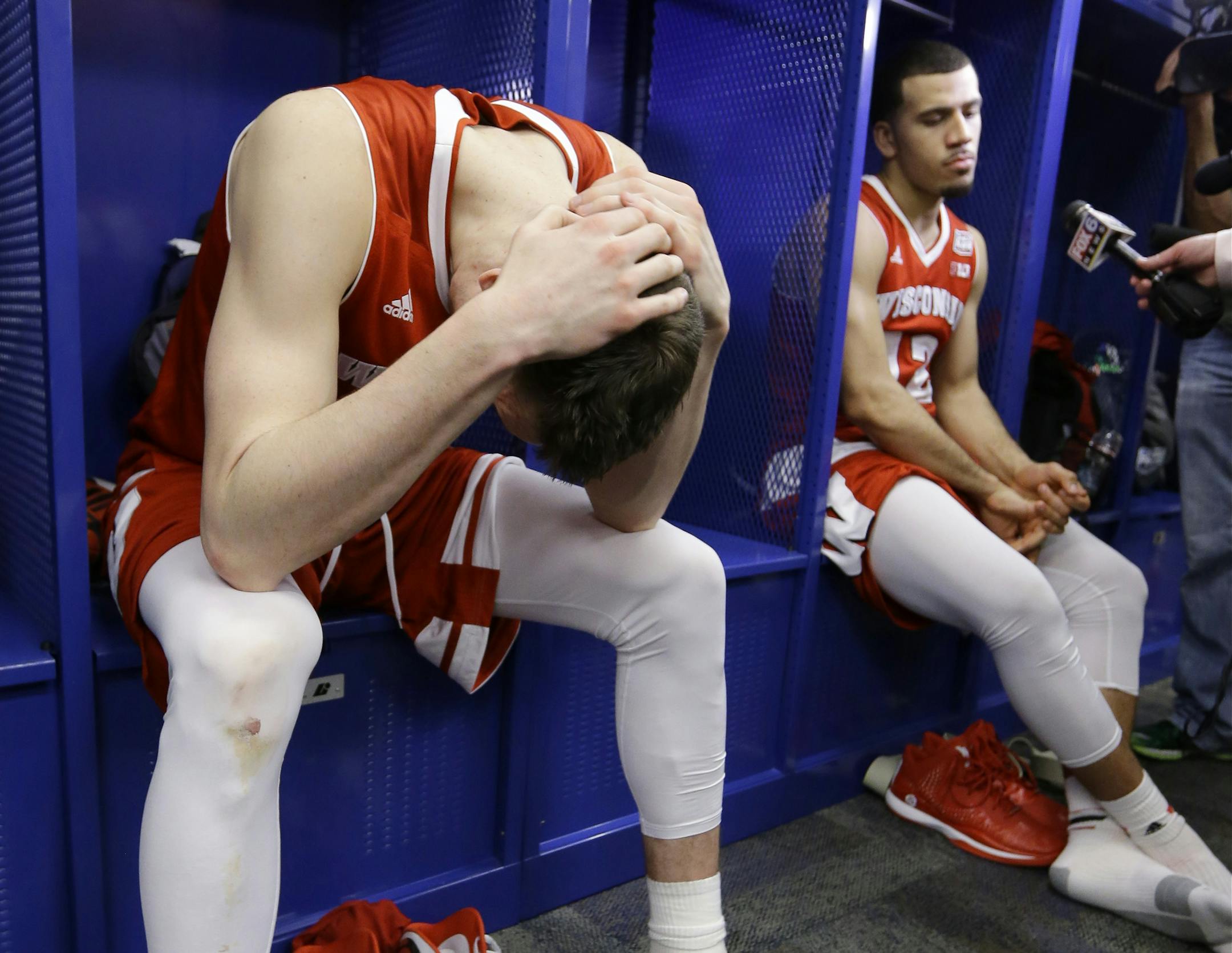
Athletes have long been trained to ignore newspaper coverage and talk radio, to avoid criticism and block out the noise after the games end. But the proliferation of Twitter and the social media platform's 302 million users allows vitriol to hit people in a place that's hard to avoid, especially for this phone-clutching generation of college athletes.
"It's very natural for 20-year-old kids, first thing after the game, to go check Twitter," said the Gophers' Richard Pitino, one of three Big Ten men's basketball coaches to ban his team from Twitter last season. "That's just part of being a student athlete in today's world. Everybody can say, 'Oh, it doesn't bother me.' That's nonsense. If it didn't bother you, you wouldn't read it."


