
Collage of a collapse

Vance Gellert spent two years photographing survivors, first responders and others affected by the I-35W bridge disaster.

July 30, 2012 at 6:22PM
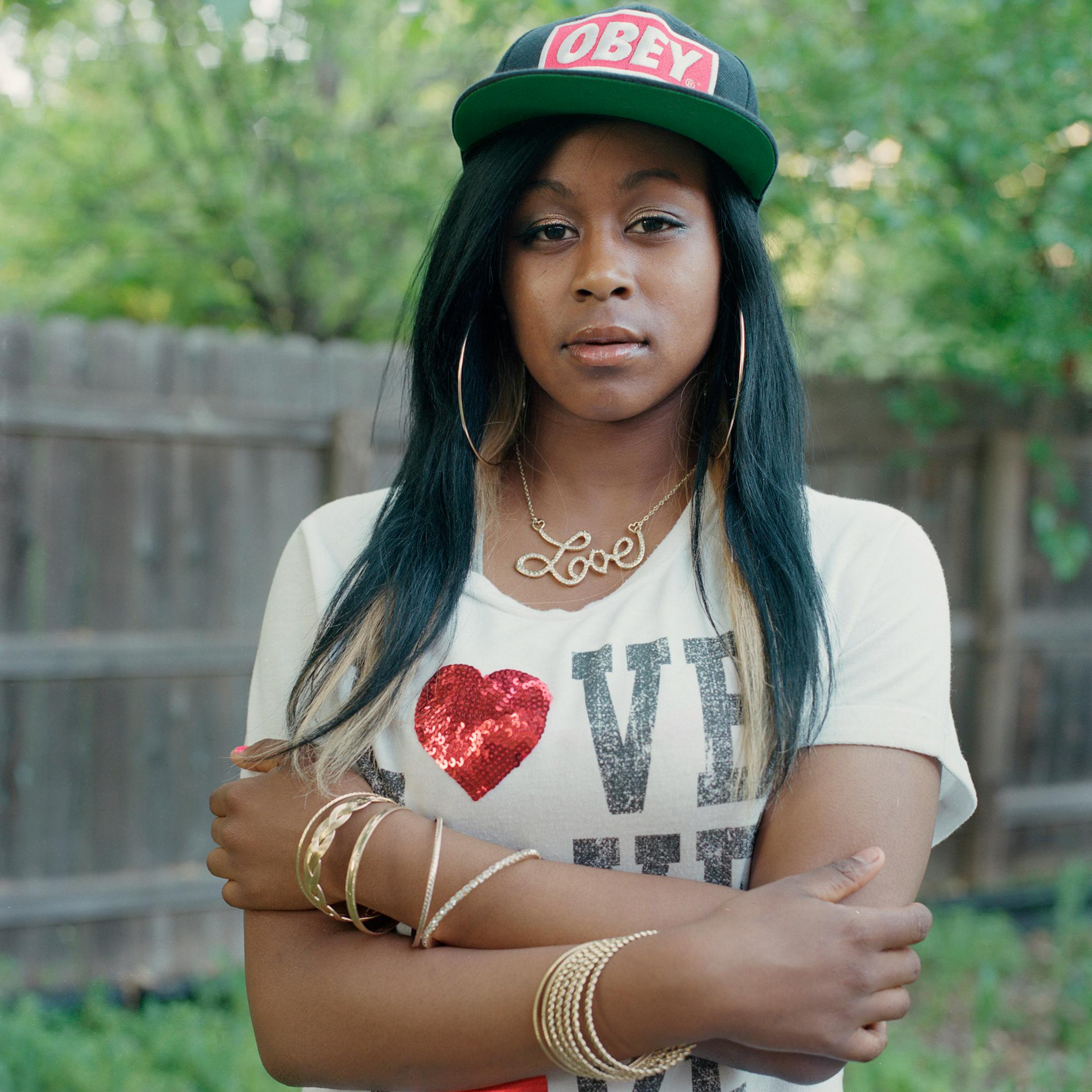
Among the photos in Vance Gellert's "The Bridge" is this one of Randi-Lynn Leonard. She and her sister were among the 52 students on a school bus that was on the I-35W bridge when it collapsed Aug. 1, 2007.
Among the photos in Vance Gellert's "The Bridge" is this one of Randi-Lynn Leonard. She and her sister were among the 52 students on a school bus that was on the I-35W bridge when it collapsed Aug. 1, 2007. (Marci Schmitt — ALL/The Minnesota Star Tribune)

Minneapolis photographer Vance Gellert has spent the past two years on "The Bridge," a project about the 2007 collapse of the Interstate 35W bridge over the Mississippi, in which 13 people died.

A show of his photos opens Wednesday -- the fifth anniversary of the collapse -- at the Mill City Museum in downtown Minneapolis. There will be a private ceremony that evening for survivors, and others affected by the incident, followed by a reception for the general public at 7 p.m. The photos will be on view through December.

Gellert discussed the project recently:

Q What does the show contain?

A Fifty portraits will be assembled together like blocks on a bridge. They include survivors, family members of people who lost a loved one, first responders, secondary support people and a couple of citizens. Among them are two cops, one fireman, one EMS [emergency medical services] person, two emergency medical directors from Hennepin County Medical Center, and the lead lawyer representing the 17 law firms that did all of their work pro bono.

Q What is on the information panels?

A One says what went wrong. The other says what went right.

What went wrong summarizes reports of the problems with the bridge, the roller bearings that were frozen and didn't allow the bridge to expand in heat and cold, the gusset plate that failed. And the extenuating factors like extra weight on the bridge because it was being resurfaced -- 500,000 pounds of gravel, sand and resurfacing aggregate, heavy construction vehicles. And the fact that concrete had been removed from the road surface so there was exposed rebar on one of the hottest days of the year.
What went right was the incredible response by fire, police and medical services. It was a Code Orange major catastrophe and the hospitals -- at the U of M, Abbott, North Memorial, HCMC, Fairview -- had all their intensive care units prepared to receive all patients within 25 minutes of the collapse. It was amazing, and every one of them honored the civilian responders who waded into the water and pulled people out with total disregard for their own safety. It was a huge, heroic, selfless effort. Normally the professionals want these people out of the way, but in this circumstance it was critical.

Q What prompted the project?

A As I was crossing the Washington Avenue bridge downriver, I saw the parts of the I-35 bridge laid out on the bank and thought I should photograph these people. But there was a powerful reluctance to go to them after all they'd gone through. There were a total of 190 people on the bridge including construction workers. Thirteen of them died and 38 had major injuries like a facial reconstruction that was so bad it had to be done from photos. I feared I couldn't do them justice and might let them down.

Q Why did the incident engage your attention for so long?

A I was frustrated, shocked. I was embarrassed that this was not an act of God. If you want to know what the problem was, look in the mirror. ... I was angry, as well. There were too many political decisions that led to this. This is what no new taxes will buy you. It was the suffering. What do you think when a bridge falls out from under you? What is that experience like and what does it do to our confidence in our social contracts?

Q What problems did the project pose?

A As a photographer you like your subjects to share basic interests, but there's nothing that links these people except that they happened to be on the bridge at the same time. That was the challenge -- to find something that would make [the photos] all hang together.

Q What was the catalyst for your photos?

A Seeing the twisted metal, the popped rivets, and imagining the sound, I could feel the energy of the 13 seconds it took for the bridge to fall. Cars, trucks, cement, girders and 190 people falling in 13 seconds into the Mississippi. But it wasn't just the parts but the fact that they were healing as plants grew around them. Even as the broken bridge took on a patina of rust, it transformed from a thing of horror into a thing of beauty of sorts. ... This is how we heal -- with time and acceptance. Part of the message is not to dwell on the badness, because there is a natural healing process that is part of the universe. Take this disaster and let it go.

Mary Abbe • 612-673-4431

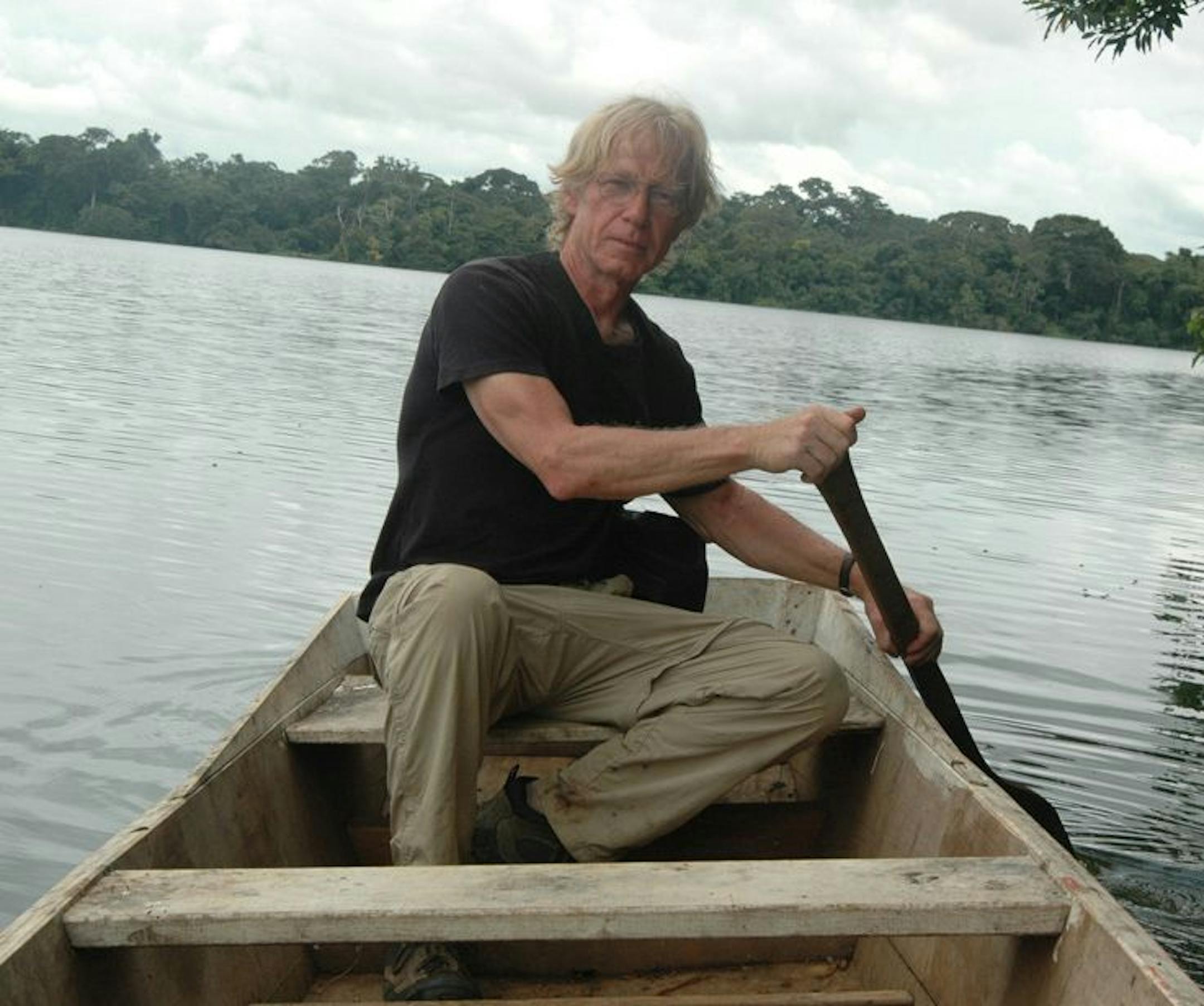
Vance Gellert
Vance Gellert (Provided by Vance Gellert/The Minnesota Star Tribune)
about the writer

about the writer

MARY ABBE, Star Tribune

More from Minnesota Star Tribune

See More
In this photo taken Monday, March 6, 2017, in San Francisco, released confidential files by The University of California of a sexual misconduct case, like this one against UC Santa Cruz Latin Studies professor Hector Perla is shown. Perla was accused of raping a student during a wine-tasting outing in June 2015. Some of the files are so heavily redacted that on many pages no words are visible. Perla is one of 113 UC employees found to have violated the system's sexual misconduct policies in rece
Associated Press/The Minnesota Star Tribune

We respect the desire of some tipsters to remain anonymous, and have put in place ways to contact reporters and editors to ensure the communication will be private and secure.