

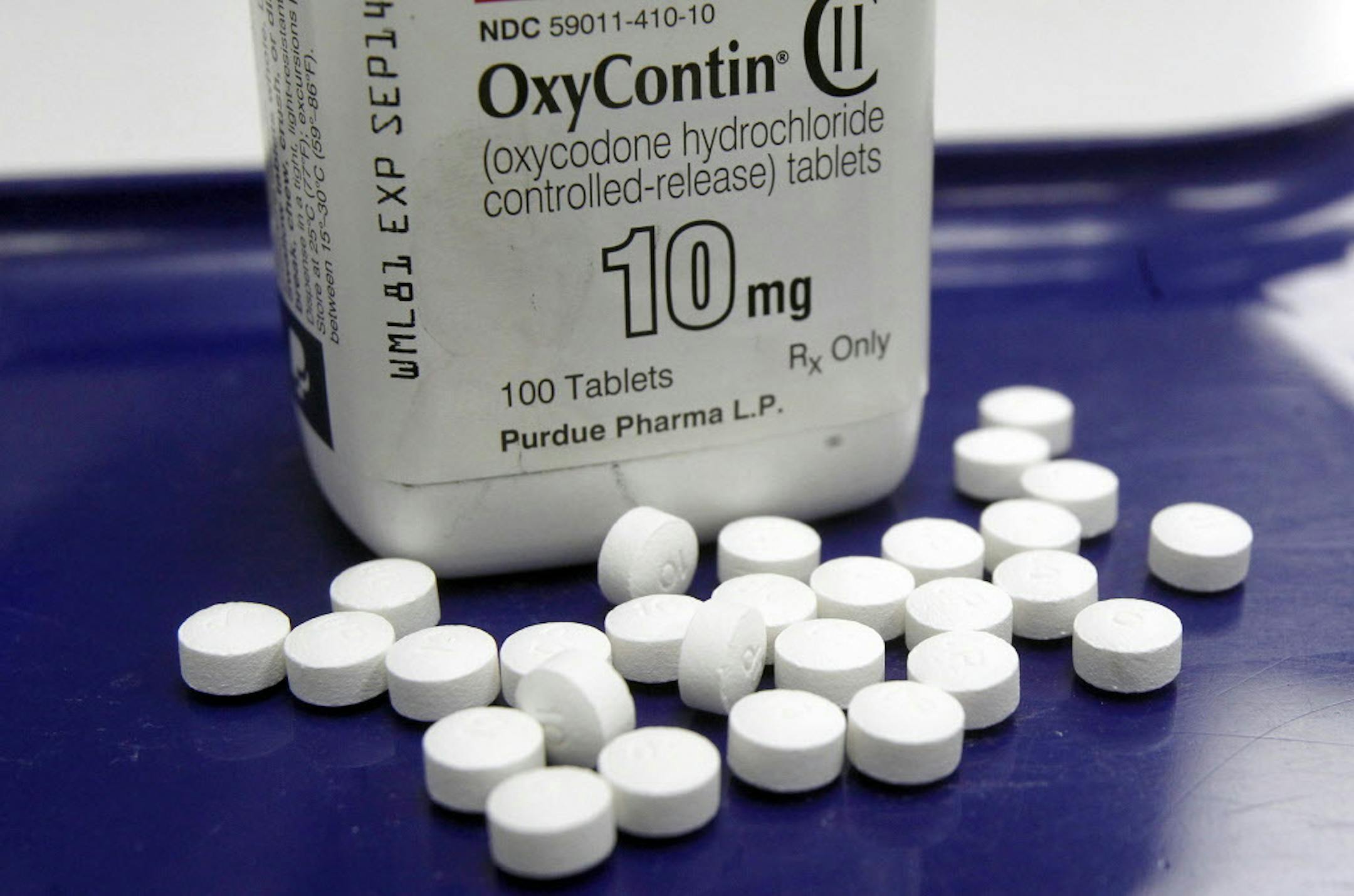
The coast-to-coast opioid epidemic is swamping hospitals, with government data published Tuesday showing 1.27 million emergency room visits or inpatient stays for opioid-related issues in a single year.
The 2014 numbers, the latest available, reflect a 64 percent increase for inpatient care and a 99 percent jump for emergency room treatment compared with figures from 2005. Their trajectory likely will keep climbing if the epidemic continues unabated.
The report, released by the Agency for Healthcare Research and Quality (AHRQ), puts Maryland at the top of the national list for inpatient care. The state, already struggling with overdoses from heroin and prescription opioids, has also seen the spread of the synthetic opioid fentanyl, which can be mixed with heroin or cocaine and is extraordinarily powerful. Gov. Larry Hogan this year declared a state of emergency in response to the crisis.
A state report released this month showed that opioid-related deaths in Maryland had nearly quadrupled since 2010, and deaths from fentanyl had increased 38-fold in the past decade. Baltimore saw 694 deaths from drug and alcohol-related overdoses in 2016 — nearly two a day, and a stunning spike from 2015, when 393 people died from overdoses.
"We see overdoses in all ethnic groups, in all ZIP codes," said Leana Wen, the city's health commissioner.
Wen signed an order June 1 making naloxone, the overdose-reversal medication, available over the counter at pharmacies, and she urged residents to obtain it. She said the new numbers showing the surge in hospital visits was not surprising and noted that many people who show up seeking treatment for addiction cannot receive it immediately.
"We are not anywhere close to getting everyone treatment at the time that they are requesting help," Wen said.
Trailing Maryland for opioid-related hospitalizations is Massachusetts, followed by the District of Columbia. Minnesota ranked toward the middle on both major measures — emergency room visits and overall inpatient hospital stays.


