

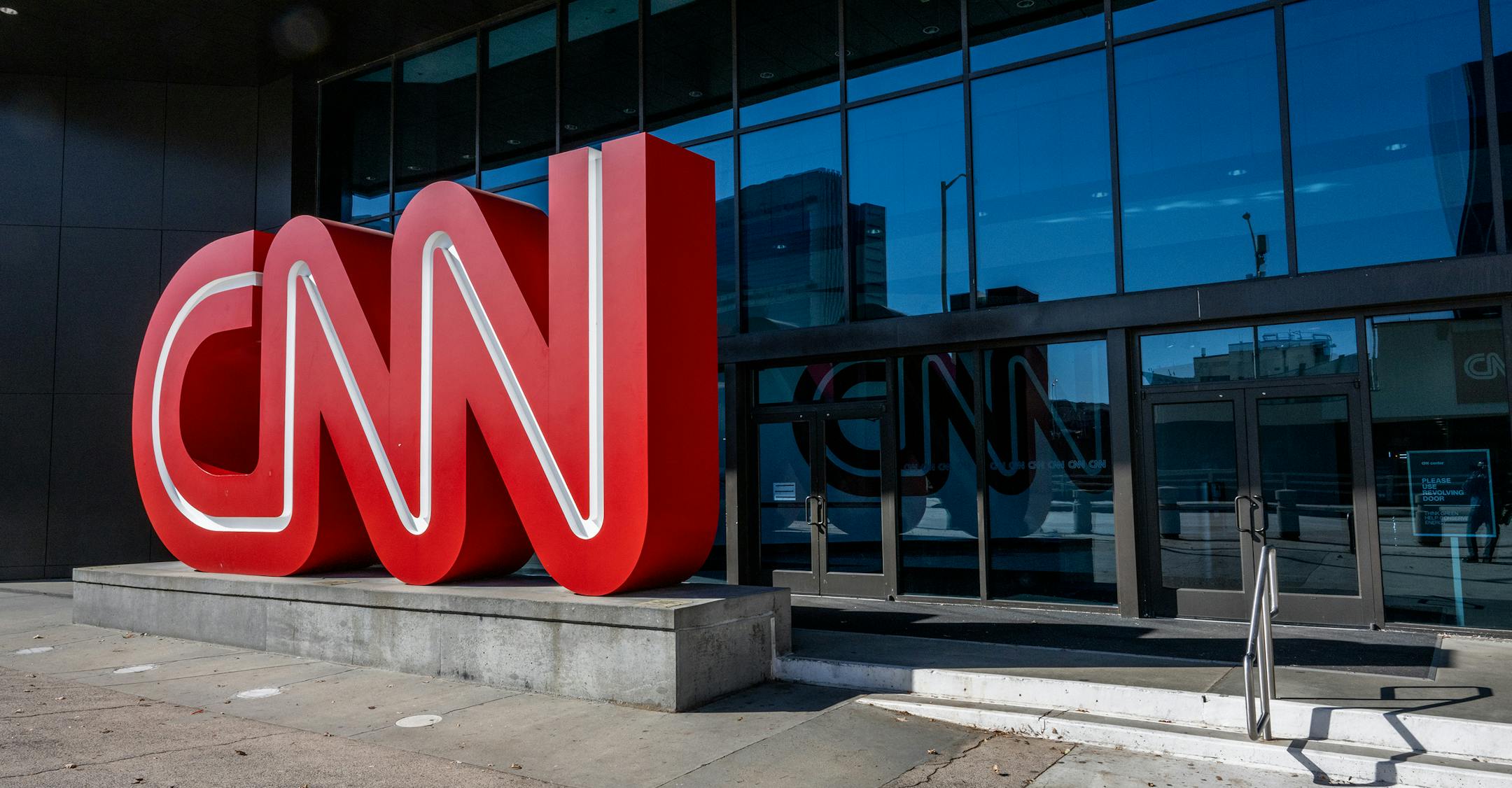
Warner Bros. Discovery, the parent company of CNN and HBO, announced that it’s open to a sale, leaving its news and streaming subsidiaries’ futures uncertain.
The media conglomerate previously announced a plan to split into two companies — cleaving its entertainment offerings, including the Warner Bros. film studio and the HBO Max streaming service, from its sports and news programming. It says it has decided to explore sale opportunities after receiving bids.
David Ellison, whose company Skydance recently took over Paramount, has reportedly expressed interest in bidding for Warner Bros. Discovery. Ellison recently spent $150 million to buy Bari Weiss’s website, the Free Press, and named the conservative writer editor in chief of CBS News.
An acquisition would place CNN and CBS, two legacy news brands, under the same roof. A Paramount spokesperson declined to comment on whether the company would — or had already — bid.
“It’s no surprise that the significant value of our portfolio is receiving increased recognition by others in the market,” David Zaslav, president and CEO of Warner Bros. Discovery, said in a statement. “After receiving interest from multiple parties, we have initiated a comprehensive review of strategic alternatives to identify the best path forward to unlock the full value of our assets.”
Though Zaslav did not say who the bidders were, he acknowledged Warner Bros. Discovery has received “unsolicited” bids for the whole of the company, as well as just its streaming and entertainment assets. A spokesperson for CNN declined to comment on what the announcement means for the news brand specifically.
Under the current separation plan, which the company says is expected to conclude in 2026, the company’s television and streaming brands — HBO, HBO Max, and its television and movie studios — would become part of a company called Warner Bros. Another company, Discovery, would house CNN, TNT Sports, and Discovery’s live TV offerings.
In recent years, CNN has seen numerous ownership changes and reorganizations, as interest in cable television declines. The broadcast giant, which has struggled with declining ratings and a failed streaming service in recent years, laid off 6 percent of its staff in January in a move it said would allow it to expand digital operations.
