

There is a time for weighing evidence and a time for acting. And if there's one thing I've learned through my work in finance, government and conservation, it is to act before problems become too big to manage.
For too many years, we failed to rein in the excesses building up in the nation's financial markets. When the credit bubble burst in 2008, the damage was devastating. Millions suffered. Many still do.
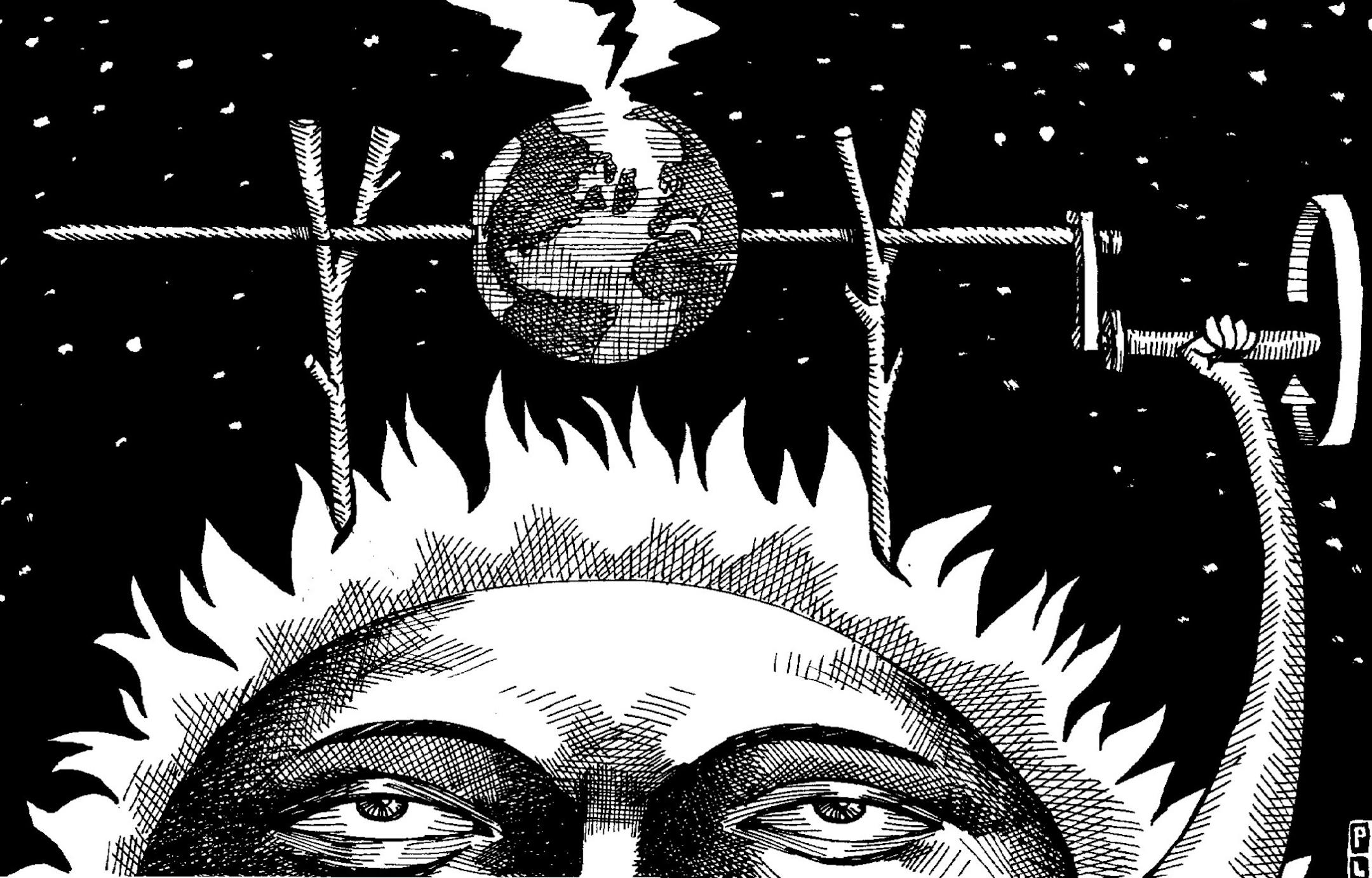
We're making the same mistake today with climate change. We're staring down a climate bubble that poses enormous risks to both our environment and economy. The warning signs are clear and growing more urgent as the risks go unchecked.
This is a crisis we can't afford to ignore. We need to act now, even though there is much disagreement, including from members of my own Republican Party, on how to address this issue while remaining economically competitive. They're right to consider the economic implications. But we must not lose sight of the profound economic risks of doing nothing.
The solution can be a fundamentally conservative one that will empower the marketplace to find the most efficient response. We can do this by putting a price on emissions of carbon dioxide — a carbon tax. Few in the United States now pay to emit this potent greenhouse gas into the atmosphere we all share. Putting a price on emissions will create incentives to develop new, cleaner energy technologies.
It's true that the United States can't solve this problem alone. But we're not going to persuade other big carbon polluters to take the urgent action that's needed if we're not doing everything we can to slow our carbon emissions.
I was secretary of the Treasury when the credit bubble burst, so I think it's fair to say that I know a little bit about risk, assessing outcomes and problem-solving. Looking back at the dark days of 2008, it is easy to see the similarities between the financial crisis and the climate challenge we now face.
We are building up excesses (debt in 2008, greenhouse gas emissions that are trapping heat now). Our government policies are flawed (incentivizing us to borrow too much to finance homes then, and encouraging the overuse of carbon-based fuels now). Our experts (financial experts then, climate scientists now) try to understand what they see and to model possible futures. And the outsize risks have the potential to be tremendously damaging (to a globalized economy then, and the global climate now).


