

In last week's State of the State address, Gov. Mark Dayton articulated a vision for what is "best for Minnesota in the future." His bold statement of support for a clean-energy future, and his challenge to the Legislature to take the next big step forward, firmly secure his position as one of America's leaders on this critical issue.
The governor made clear that his vision for what will make a "better Minnesota" includes all Minnesotans, especially future generations, living in a healthy environment.
He continued: "A healthy life starts with, and depends upon, clean air to breathe, clean water to drink, protected natural environments to enjoy, and a secure ecological future. No one can endure the severe droughts or floods of recent years; endure (or, some, enjoy) our milder, snow-scarce winters; lather on sunscreen to walk outdoors without being greatly alarmed ... Even more alarming is that our state and our nation are still not doing enough to reverse this path toward global catastrophe before it is too late."
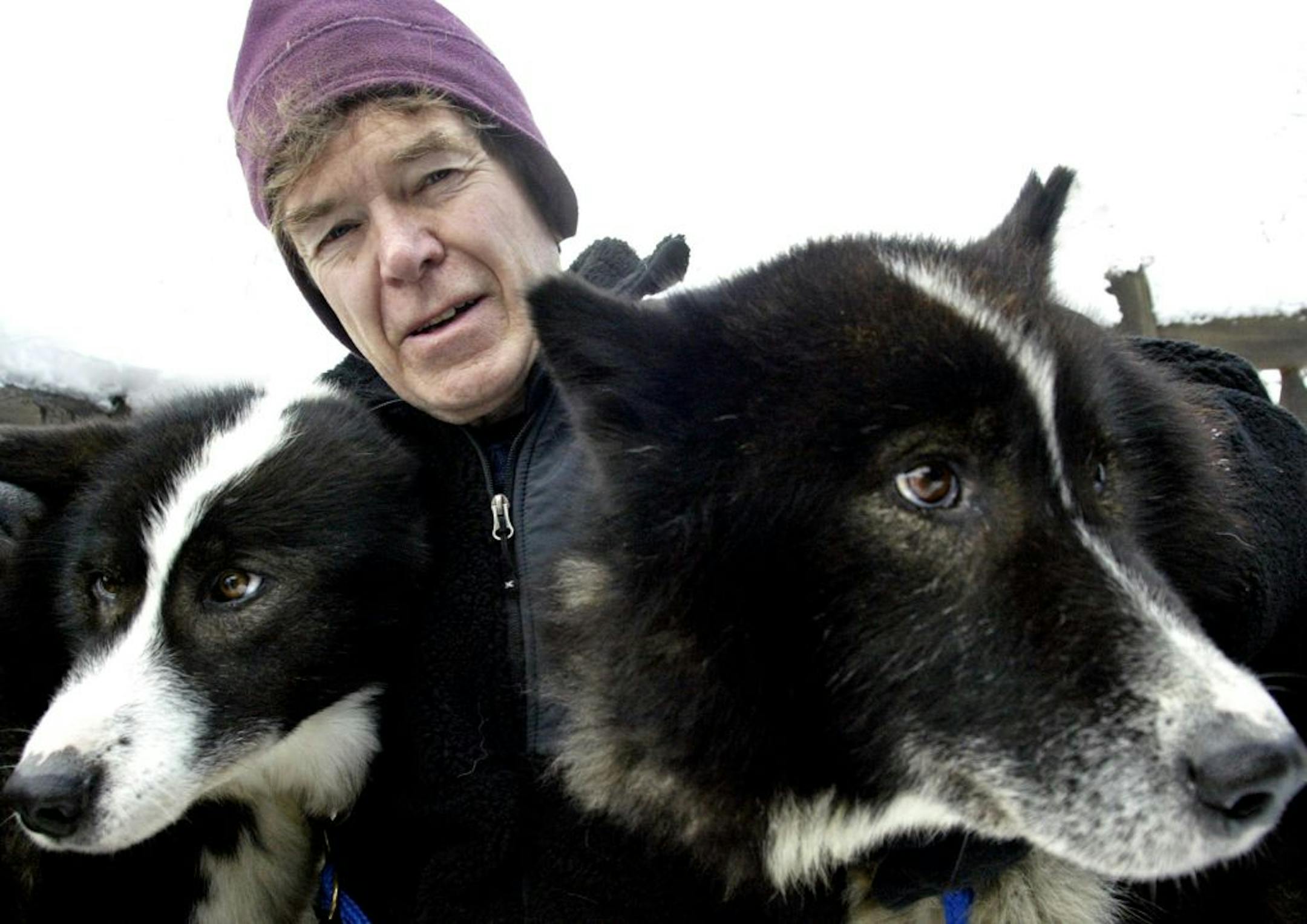
The governor mentioned the expeditions I have led, where I witnessed firsthand the drastic impact of a changing climate. But you don't have to be a polar explorer to see these changes with your own eyes. Recent news reports tell the local story:
The Department of Natural Resources suspended the hunting season for our iconic moose, whose population is dangerously collapsing in real time. The National Wildlife Federation reports that with warmer temperatures, migratory waterfowl, pheasants and wild birds will be diminished and large-scale freshwater fish kills will become more frequent, while trout in northeastern Minnesota's cold-water streams are already at a tipping point for survival.
Add to this our recent experience with 1,000-year floods occurring repeatedly in less than 10 years' time.
While the governor sounded alarm bells, he didn't end the story there. He went on: "In Minnesota, we have made real progress in areas like energy conservation, more efficient farming and manufacturing practices, and the development and use of clean, renewable energy, especially wind energy, instead of polluting fossil fuels. The question is: Are we progressing fast enough? Are we doing all we can to utilize other renewables, such as solar, and also to make Minnesota the best place to locate these new industries and their jobs?"
Dayton commended previous legislatures for their pioneering work to expand our use of clean energy, then spoke to the gathered House and Senate leaders:


