Is it Cle-MAT-is or CLEM-a-tis?
No matter how you pronounce it, there's no question that this hardy flowering vine is a beaut.
But this versatile perennial can do much more than decorate the mailbox post. It can be used to create a privacy screen or to camouflage a chain-link fence, utility pole or other outdoor eyesore. It can act as a ground cover or a tree climber or frame a porch in a cheerful welcome.
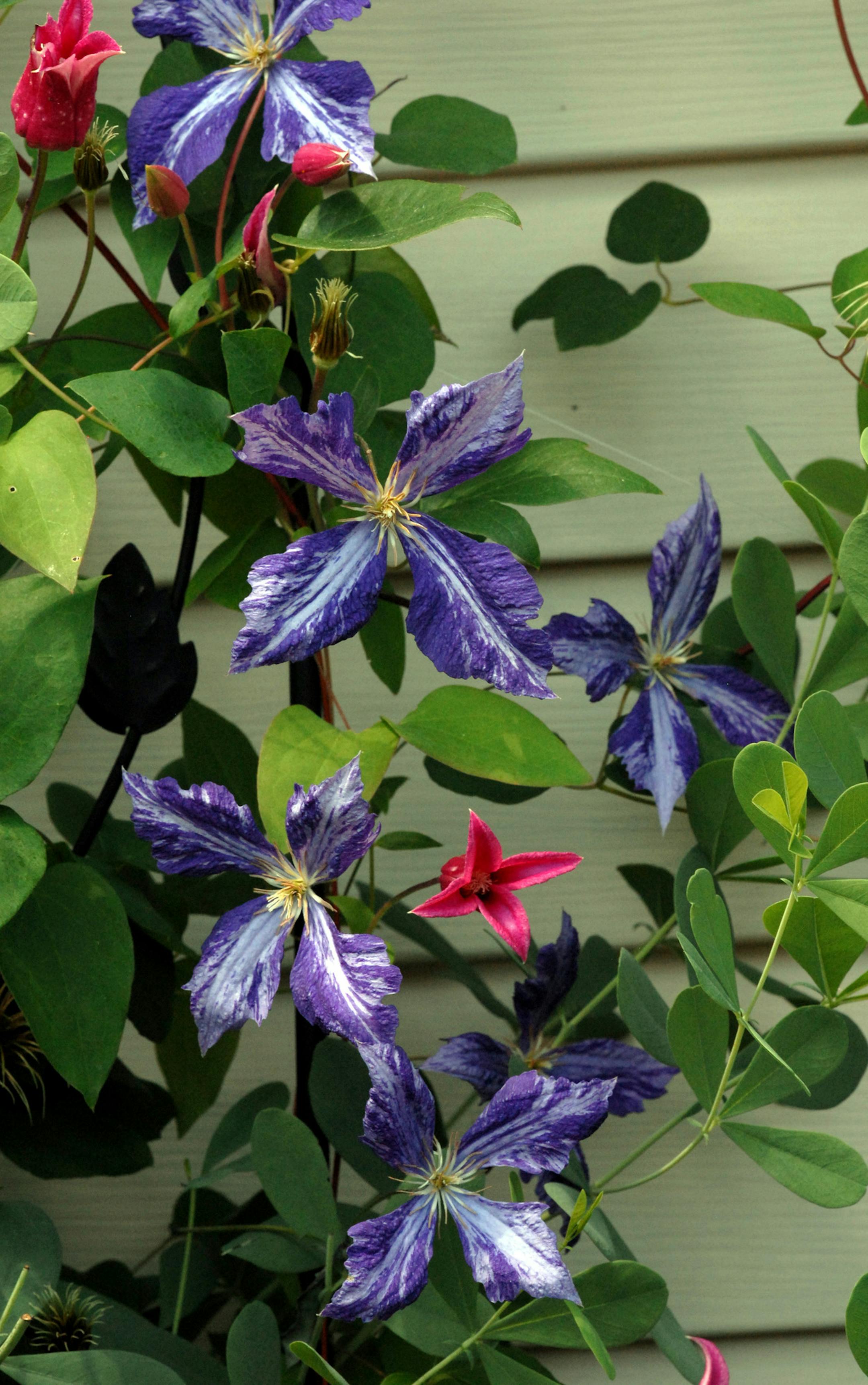
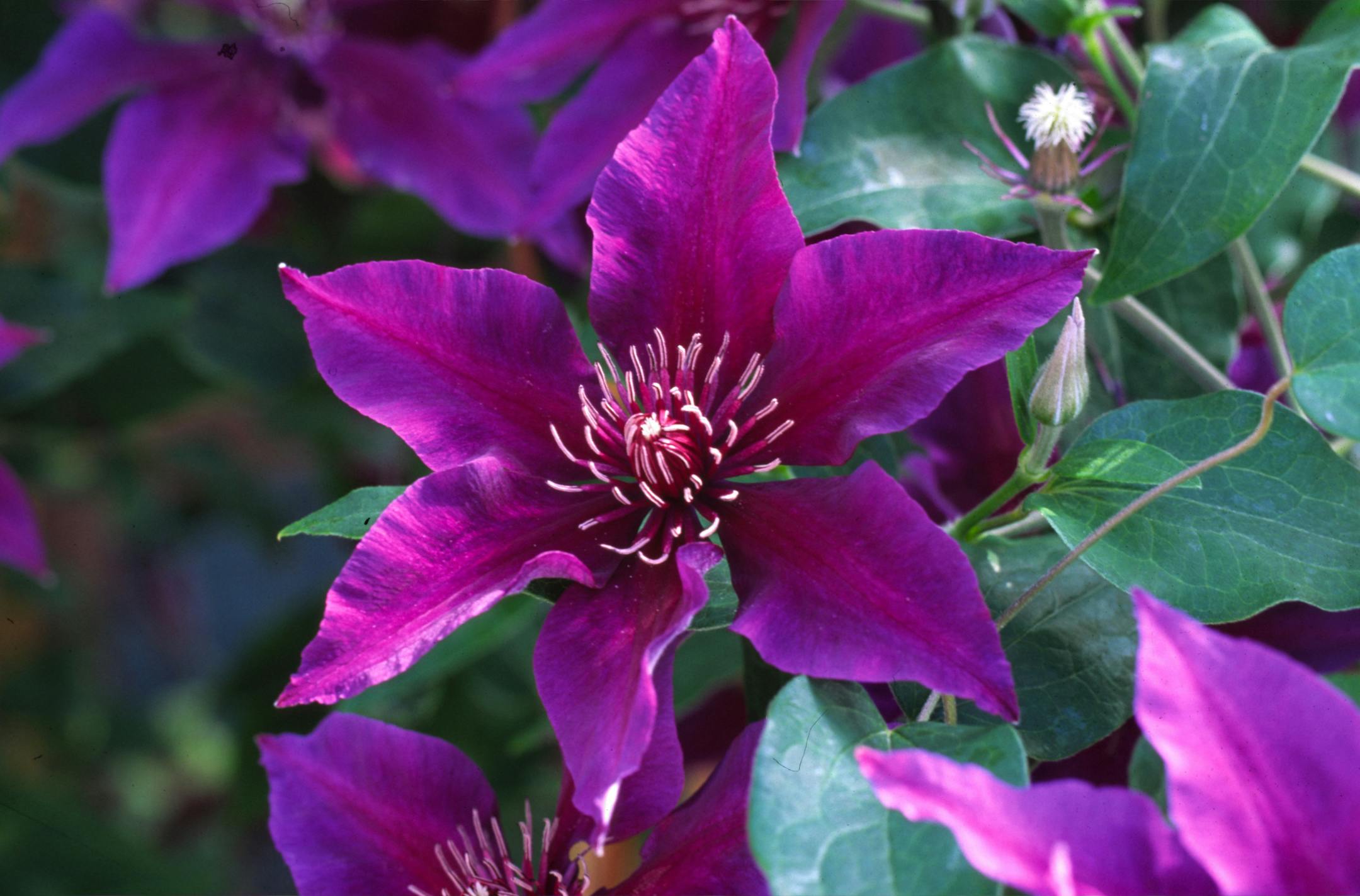
The rambling vines also lend a sense of permanence and maturity to the garden. The Brits use them to twine through roses and other shrubs, expanding and extending seasonal color. Take a cue from them and plant several varieties for show-stopping flowers — in purple, blue, red, yellow, white or several shades of pink — blooming in your garden from late spring to early fall.
Does it sound too good to be true?
Well, the Queen of the Vines (as it's often called) doesn't need royal treatment, but it does require a little understanding. The best, and oft-repeated piece of advice: head in the sun and feet in the shade.
That means, ideally, an eastern exposure with about 5 to 6 hours of sunlight, plus protection from the harsh afternoon heat. To help keep the roots cool, mulch generously around the base, but not right against the stems. Neighboring plants such as hostas and shrubs can shade the base, as well.
Professional grower Kathy Donahue, of Donahue's Greenhouse in Faribault, Minn., recommends planting clematis a bit deeper than other plants. Dig a hole a couple of inches deeper than usual, and cover the base with soil past the first healthy leaf buds. That will help protect your plant through the winter, Donahue said, and encourage growth below ground.